
The Cognitive Benefits of Equine-Assisted Activities: Attention, Memory, and Real-World Thinking Skills
Learn how equine assisted activities may support focus, memory, and problem-solving skills in a structured, supportive setting.

Learn how equine assisted activities may support focus, memory, and problem-solving skills in a structured, supportive setting.

Learn how equine assisted therapy works, including what happens in a session and how horses support physical and emotional development.
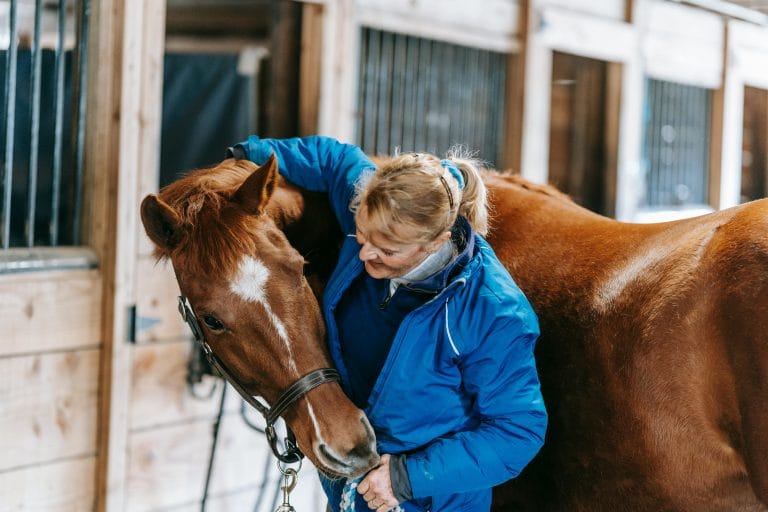
Explore key nonprofits that support equine-assisted programs across North America, including membership groups, training, and community-based organizations.
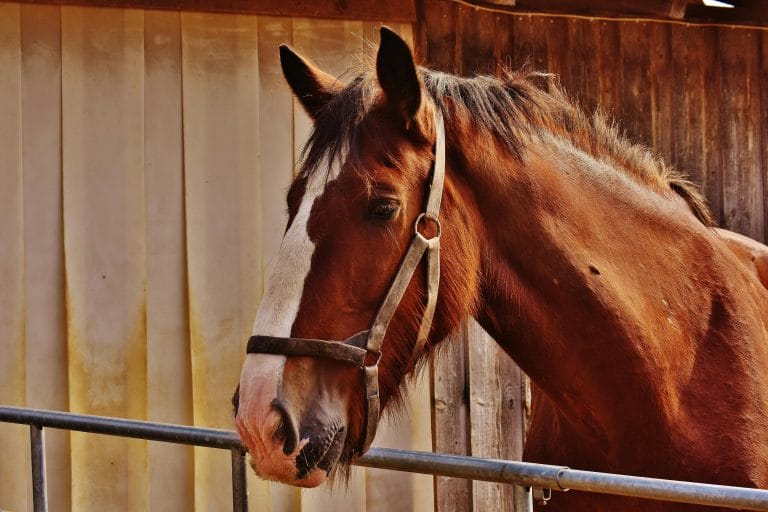
Learn how equine-assisted therapy supports balance, core strength, coordination, breathing, and everyday movement through rhythmic horse interaction.
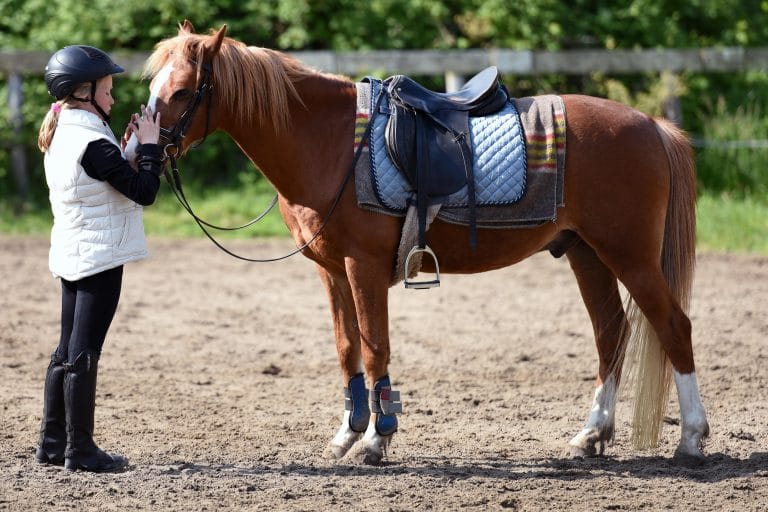
How equine-assisted programs safely progress skills using tempo, patterns, and terrain while supporting learning, confidence, and horse welfare.
Learn how adaptive equipment in equine-assisted programs improves safety, comfort, and access while protecting horse welfare and supporting skill growth.
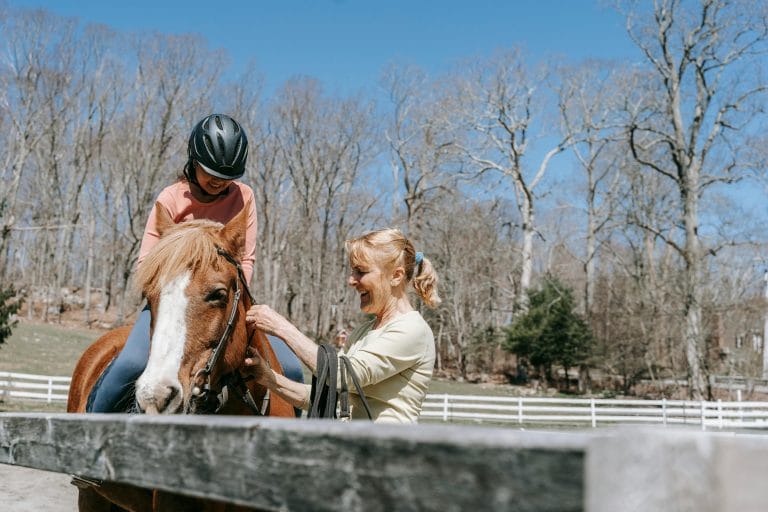
Learn what to expect at a riding session, from grooming and mounting to riding and connecting with a horse in a calm, supportive environment.
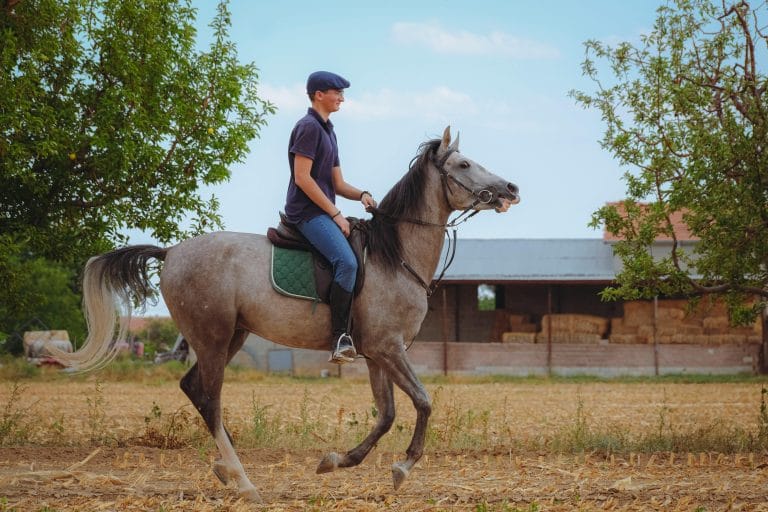
Learn how a horse’s three-dimensional walk supports posture, balance, breath, and attention in equine-assisted programs through gentle, rhythmic movement.
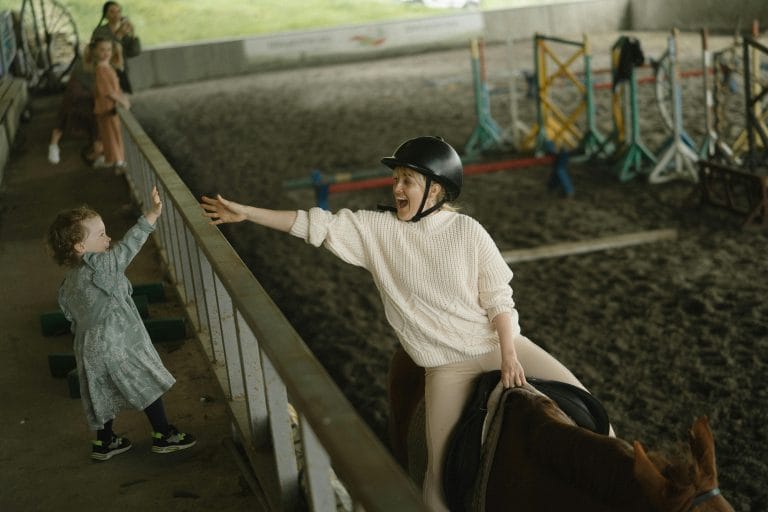
Learn who does what in equine-assisted programs — therapists, instructors, facilitators, volunteers, and horse specialists working together for safe sessions.
A simple guide to major equine-assisted program types — including adaptive riding, hippotherapy, EAL and EFP — and how each fits into the equine-assisted field.

Explore how to decide if equine-assisted activities are a good personal fit by reviewing goals, comfort level, program style, and supportive riding centers.