What Is Hippotherapy? Benefits, Uses, and How It Works
Learn what hippotherapy is, how it works, and how licensed therapists use horse movement to support physical, cognitive,…
Articles
The Equine-Assisted Programs category introduces readers to the many non-clinical ways people engage with horses for learning, skill-building, recreation, and personal growth. Articles in this section explain program types such as adaptive riding, therapeutic riding, equine-assisted learning, groundwork-based horsemanship, inclusive recreational riding, and other structured activities that help participants build confidence, communication skills, coordination, and a sense of connection. Each guide focuses on what sessions look like, how instructors tailor activities for different needs, and how programs create safe, supportive environments for riders and participants of all ages. This category is ideal for families, educators, and newcomers exploring equine-assisted opportunities outside of clinical therapy
25 articles in this category
Learn what hippotherapy is, how it works, and how licensed therapists use horse movement to support physical, cognitive,…
Learn the difference between adaptive riding and therapeutic riding, including goals, structure, and how to choose the right…
Learn what therapeutic riding is, how it works, its benefits, common goals, and who it can help.
Learn the difference between hippotherapy and therapeutic riding, including goals, providers, costs, and when each option is the…
Some kids open up around a horse in ways they never do in a clinic or classroom. Here's…
Learn what equine therapy for PTSD involves, how different program types work, and why some participants find horse-based…
Learn how equine therapy supports individuals with anxiety through structured programs, benefits, risks, and what to expect in…
Learn how equine therapy supports individuals with cerebral palsy through movement, balance, and structured programs like hippotherapy and…
A calm barn, a clear routine, and a patient horse: for some autistic kids, that combination just clicks.…
The Equine-Assisted Programs category introduces readers to the many non-clinical ways people engage with horses for learning, skill-building, recreation, and personal growth. Articles in this section explain program types such as adaptive riding, therapeutic riding, equine-assisted learning, groundwork-based horsemanship, inclusive recreational riding, and other structured activities that help participants build confidence, communication skills, coordination, and a sense of connection.
Each guide focuses on what sessions look like, how instructors tailor activities for different needs, and how programs create safe, supportive environments for riders and participants of all ages. This category is ideal for families, educators, and newcomers exploring equine-assisted opportunities outside of clinical therapy
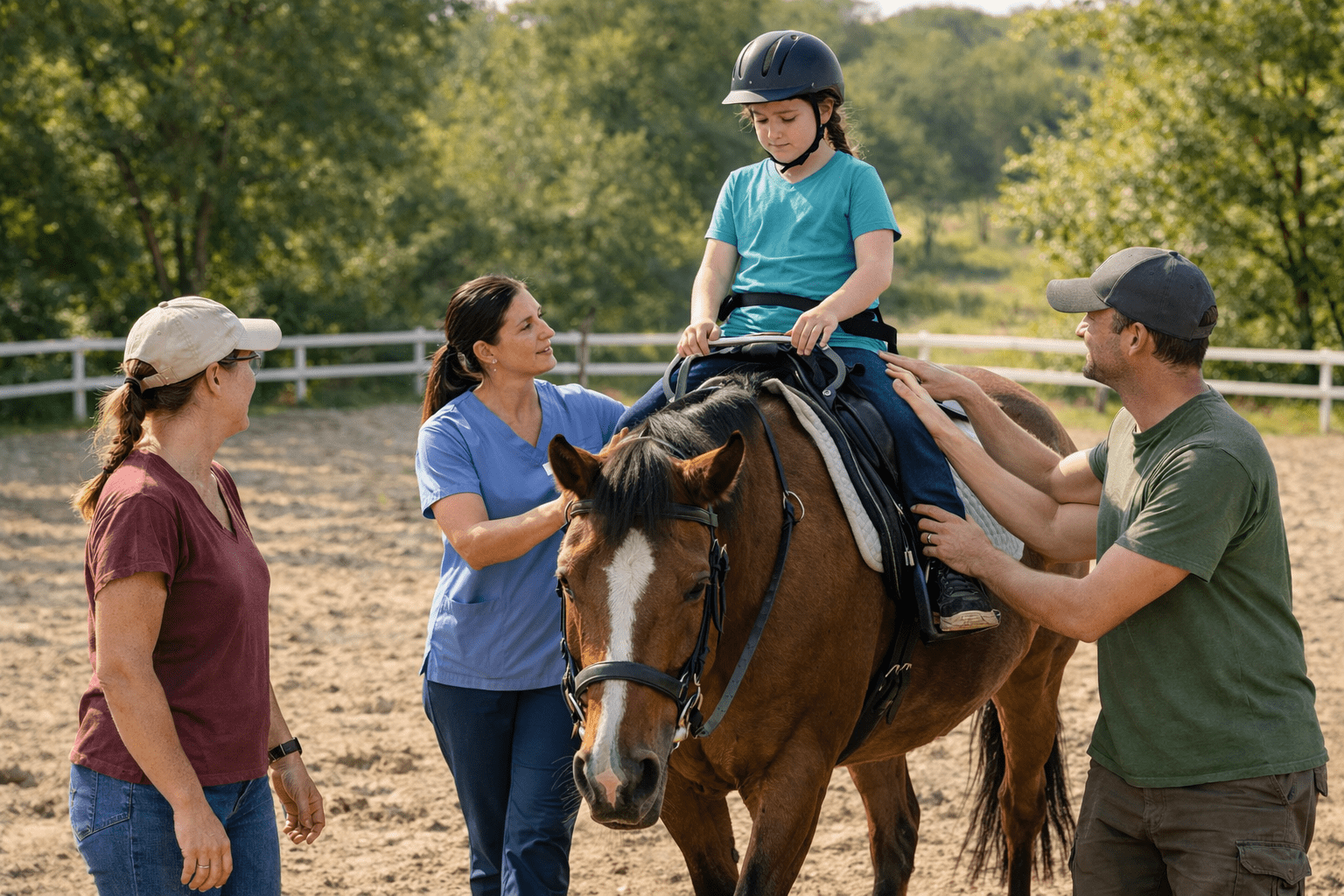
Learn what hippotherapy is, how it works, and how licensed therapists use horse movement to support physical, cognitive, and communication goals.
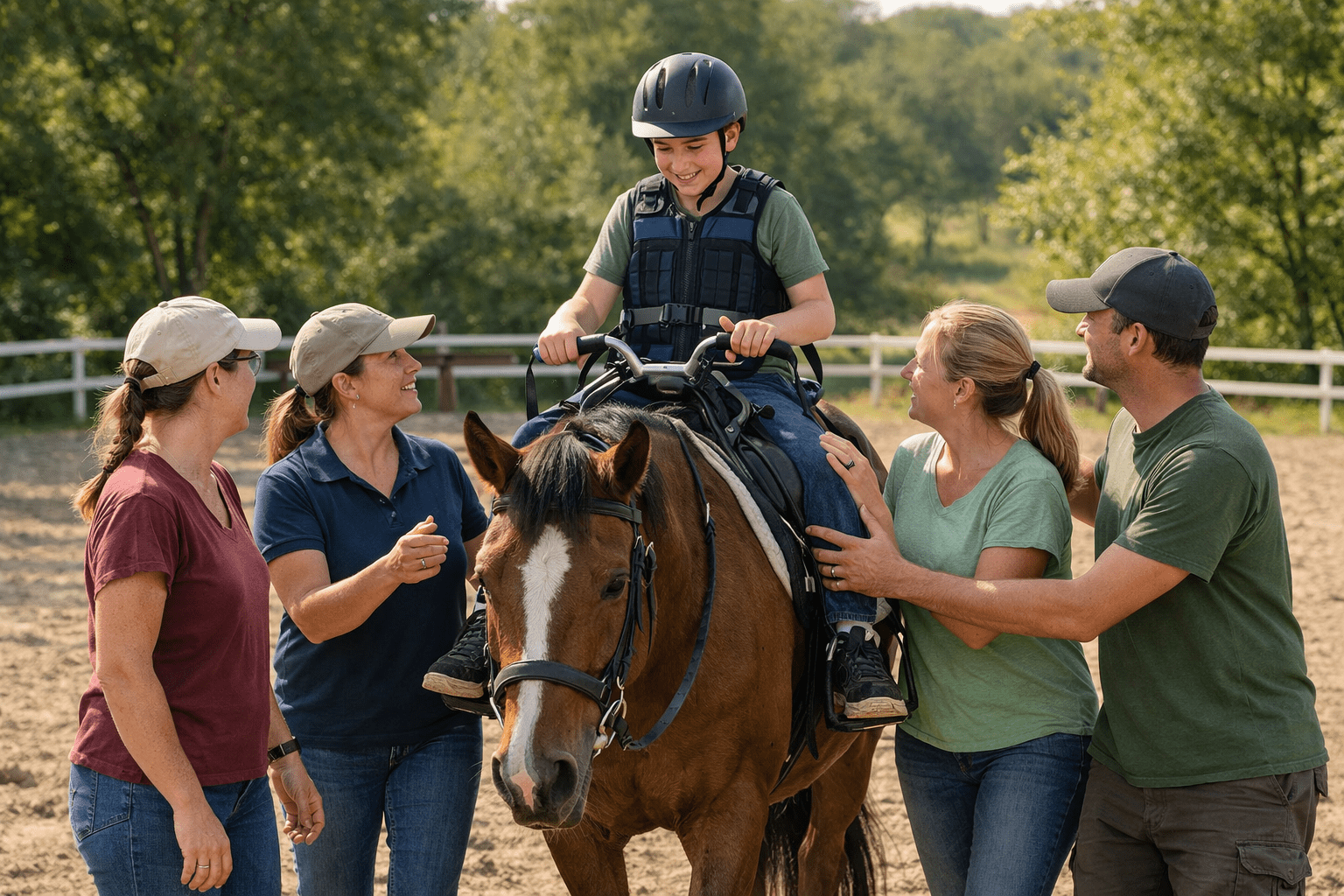
Learn the difference between adaptive riding and therapeutic riding, including goals, structure, and how to choose the right program.
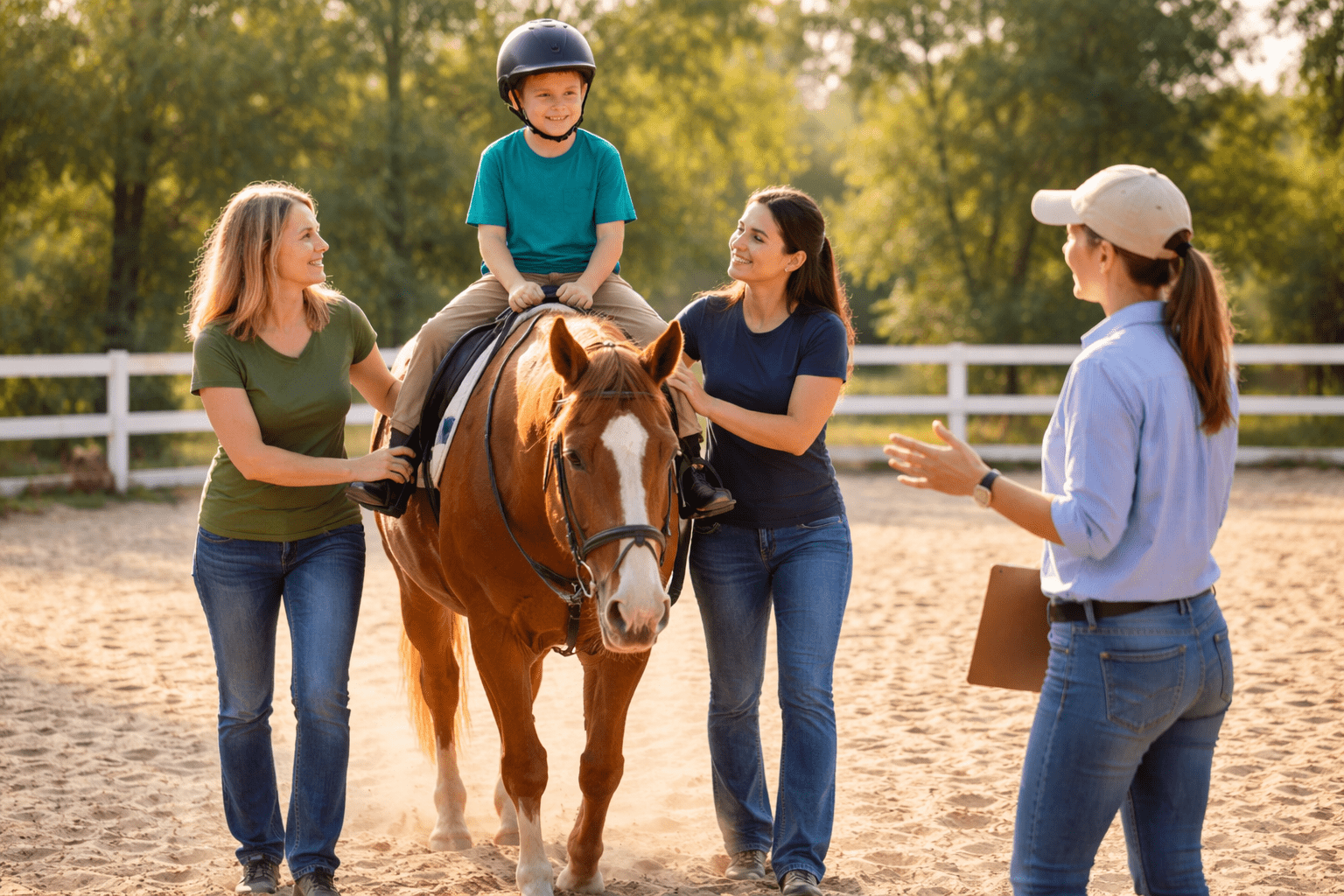
Learn what therapeutic riding is, how it works, its benefits, common goals, and who it can help.
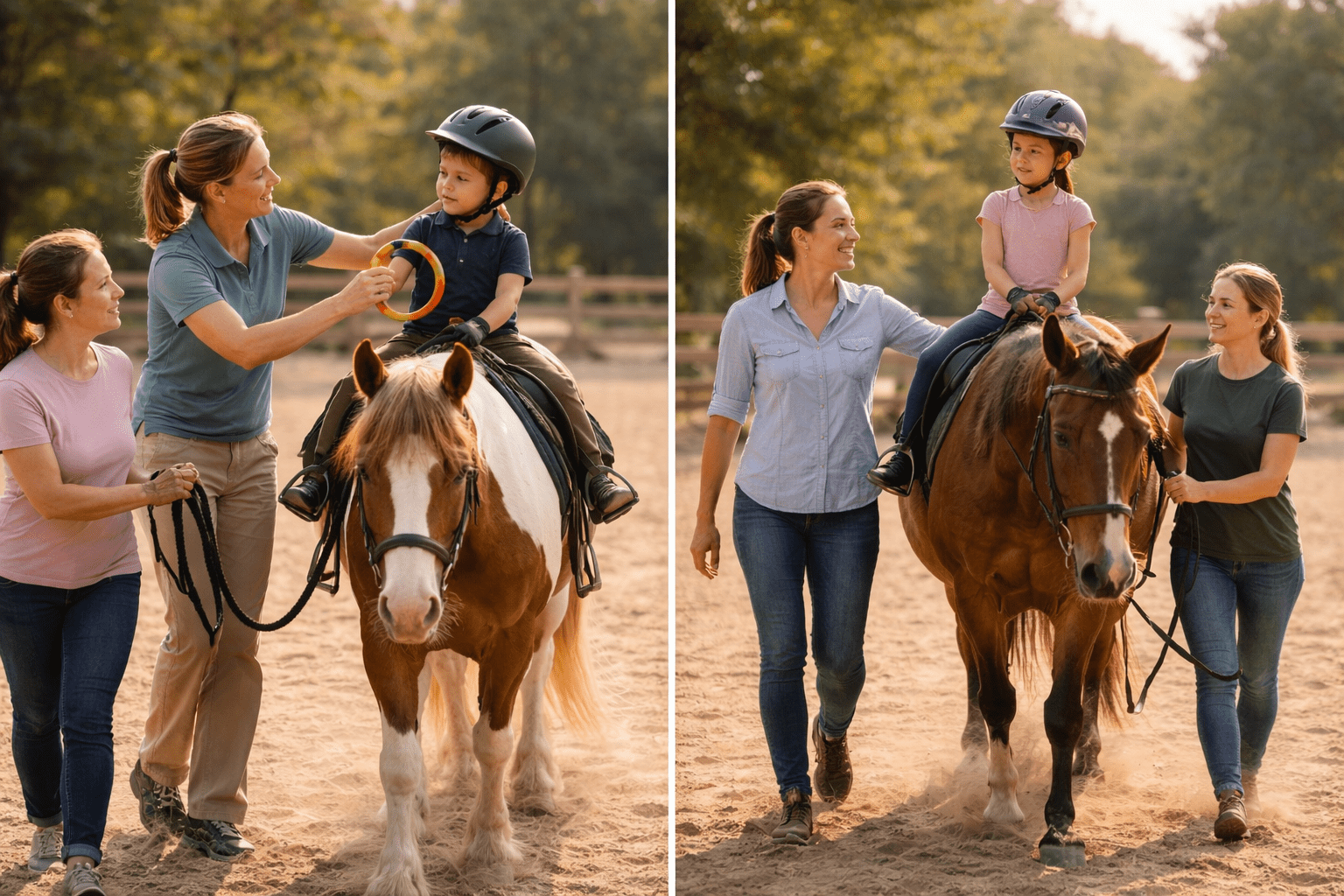
Learn the difference between hippotherapy and therapeutic riding, including goals, providers, costs, and when each option is the right fit.
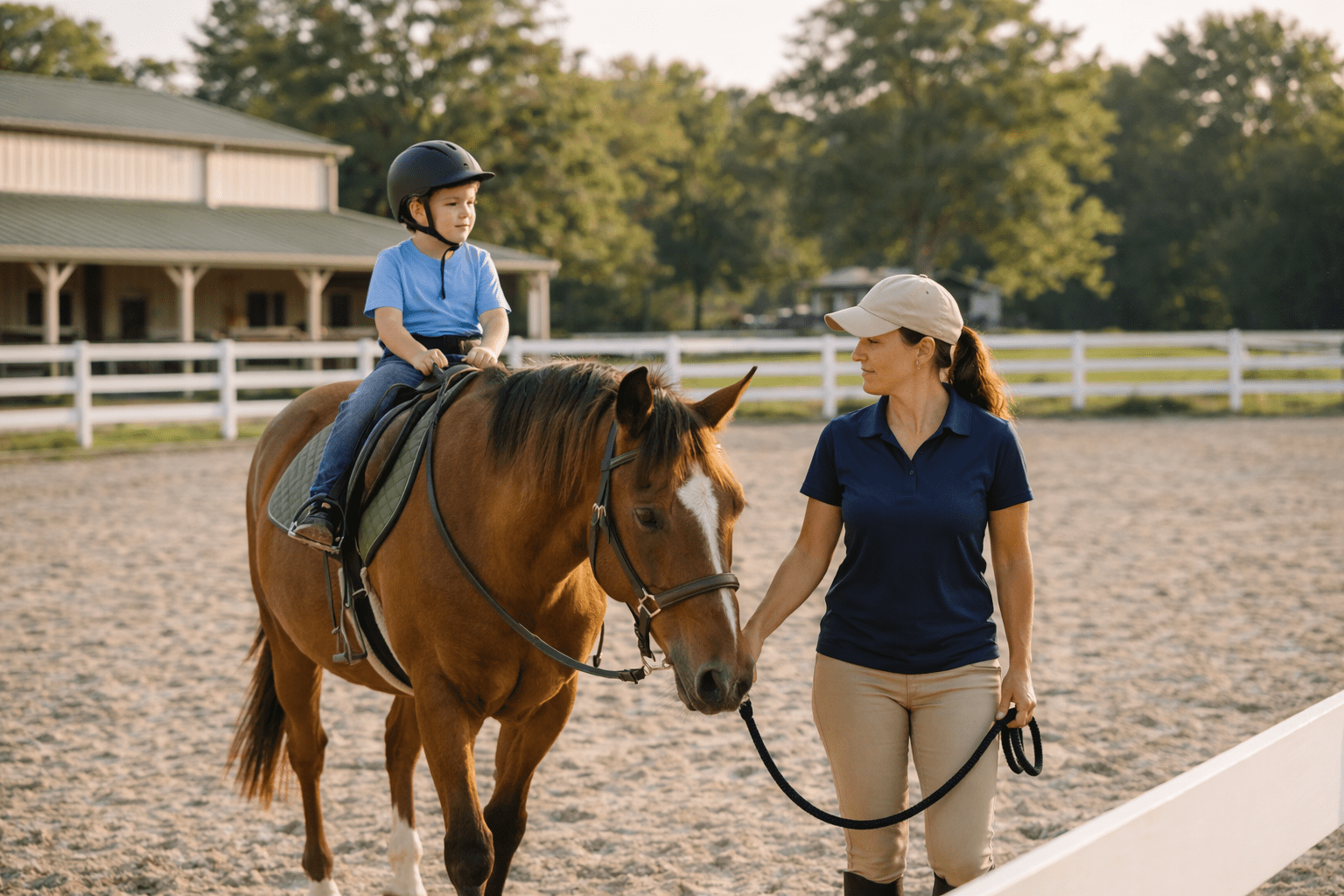
Some kids open up around a horse in ways they never do in a clinic or classroom. Here’s how equine therapy for children works — and how to find the type that fits yours.
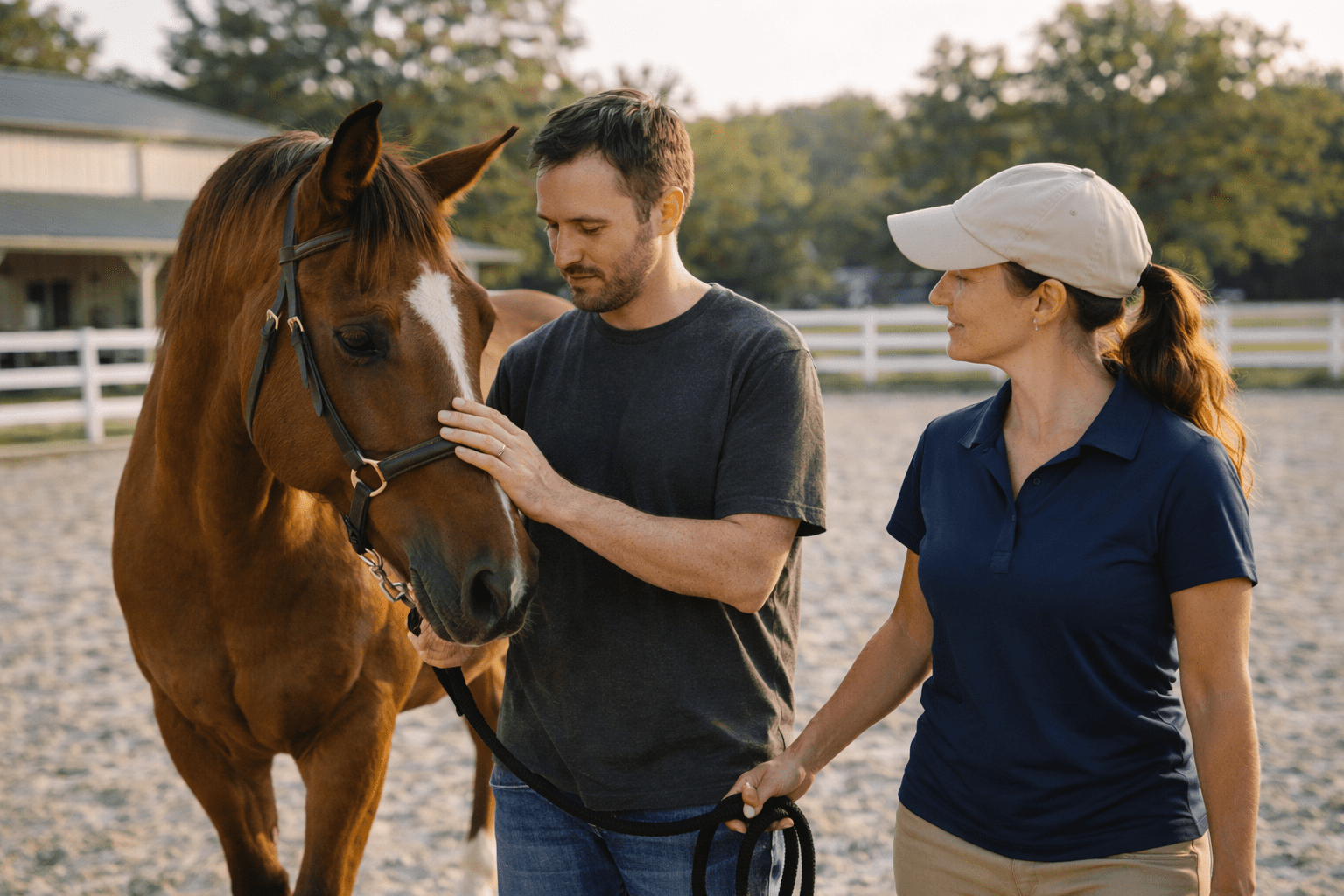
Learn what equine therapy for PTSD involves, how different program types work, and why some participants find horse-based programs grounding and supportive.
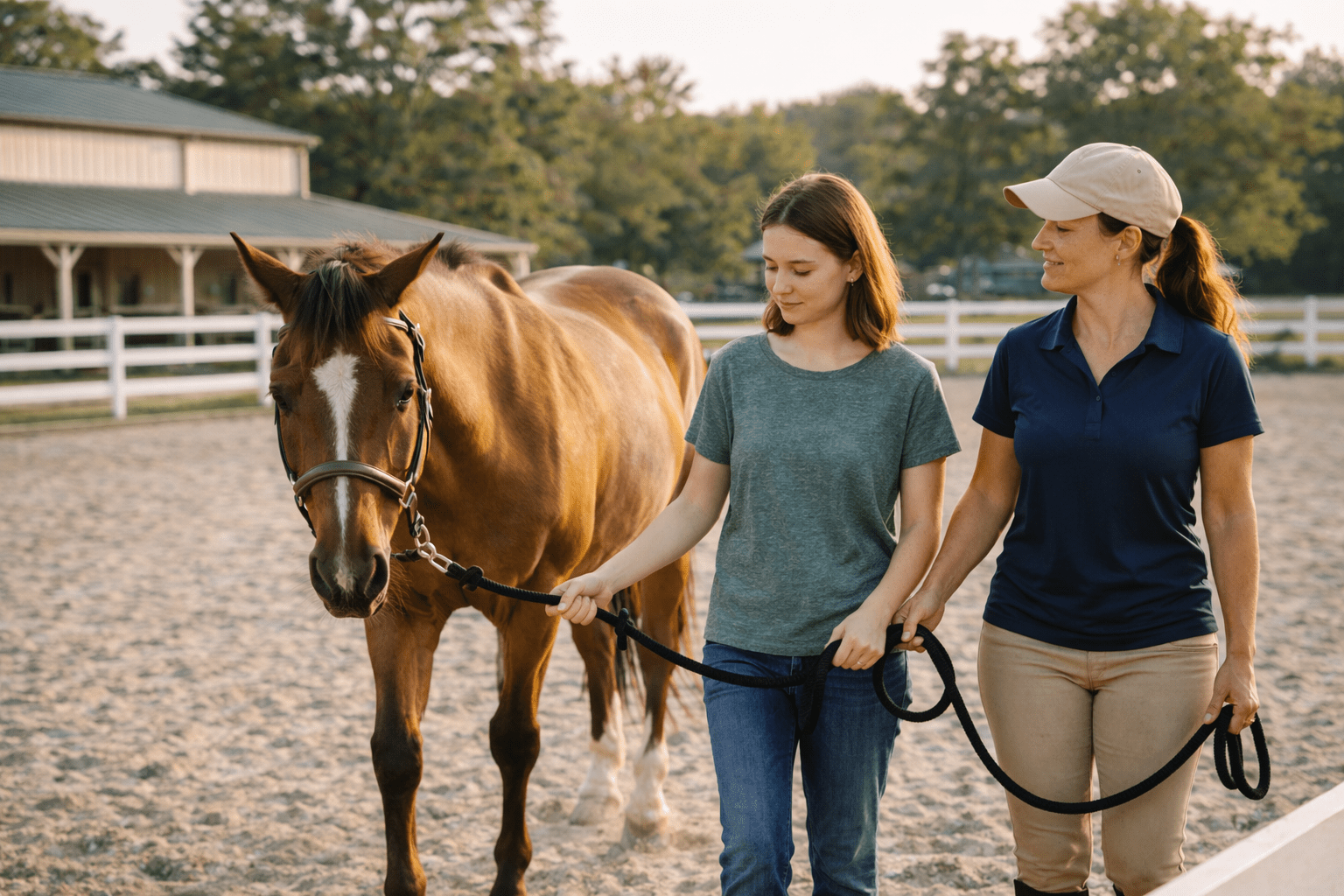
Learn how equine therapy supports individuals with anxiety through structured programs, benefits, risks, and what to expect in sessions.
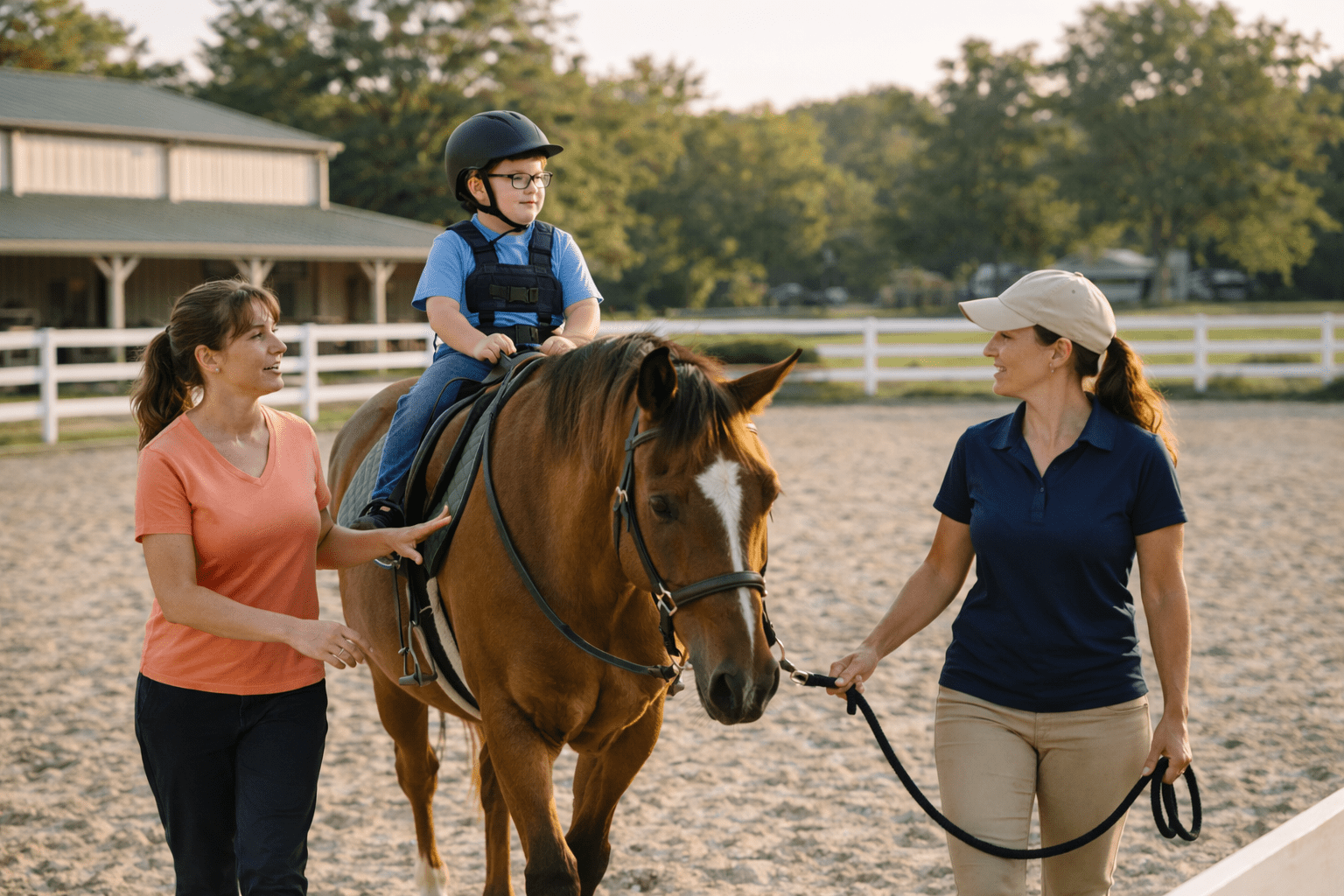
Learn how equine therapy supports individuals with cerebral palsy through movement, balance, and structured programs like hippotherapy and therapeutic riding.
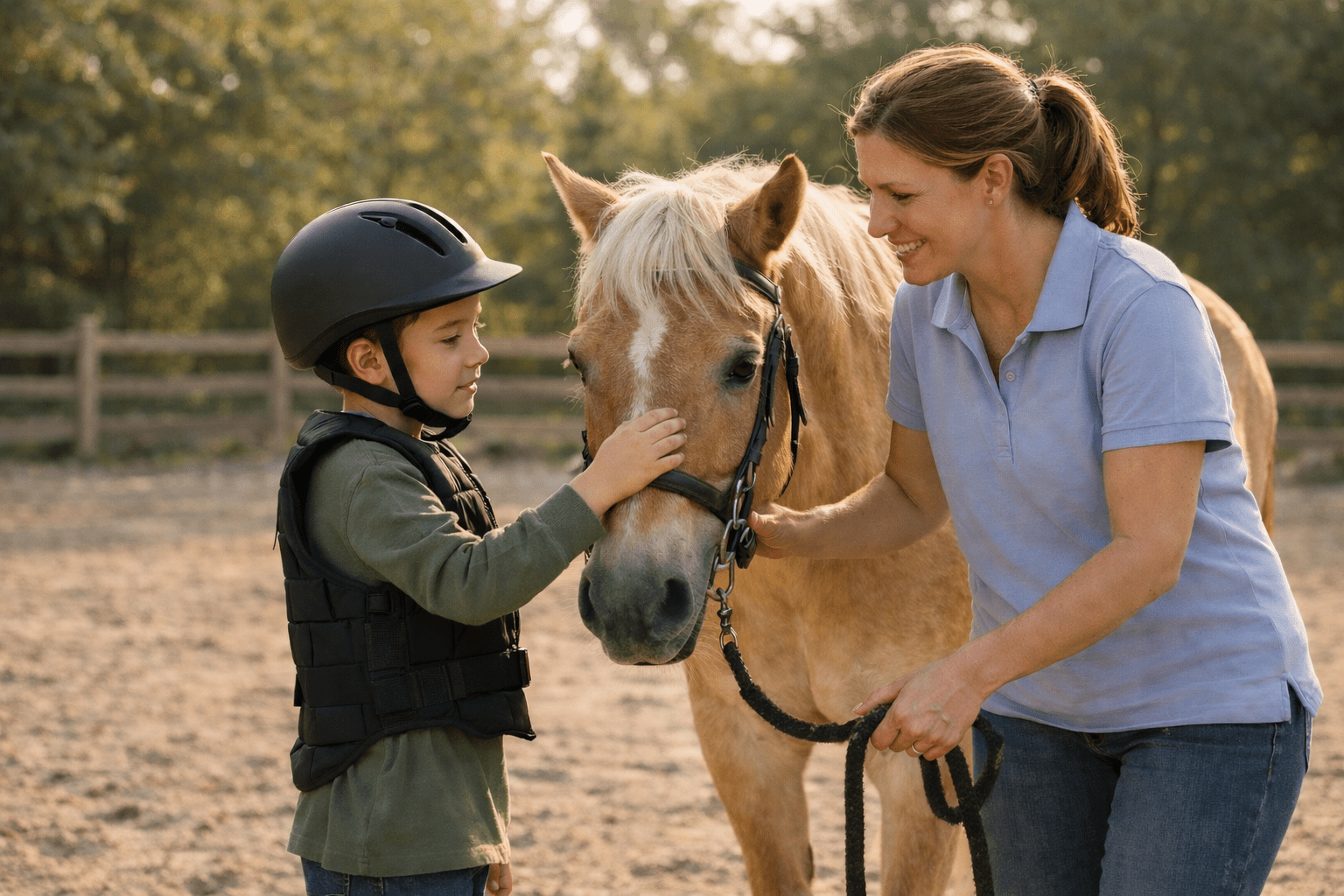
A calm barn, a clear routine, and a patient horse: for some autistic kids, that combination just clicks. Here’s what inclusive equine programs offer — and what they don’t promise.
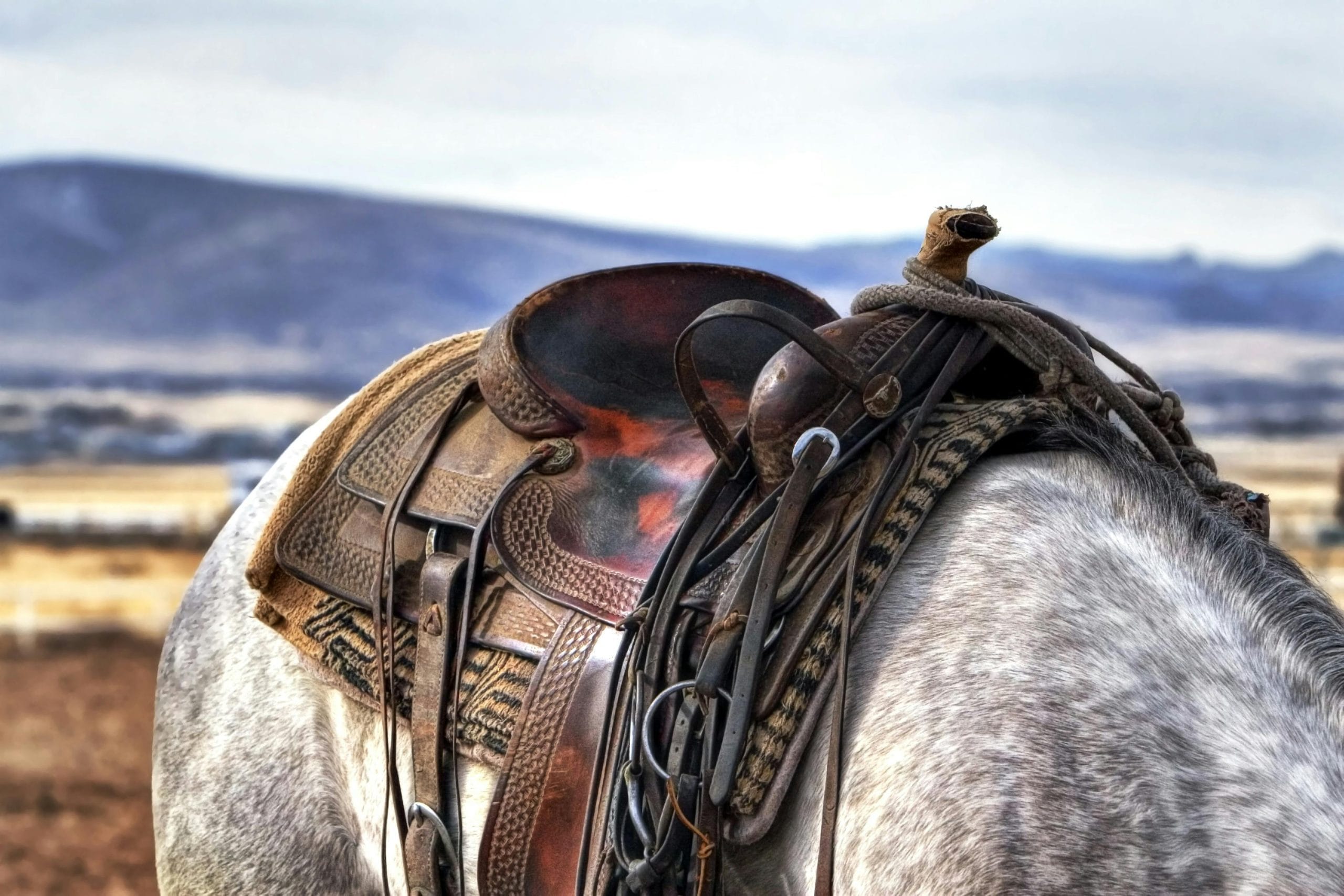
Learn how equine assisted activities may support focus, memory, and problem-solving skills in a structured, supportive setting.

Learn how equine assisted therapy works, including what happens in a session and how horses support physical and emotional development.