

One happens in an office, with words. The other happens in a barn, with a horse. Here’s how they really differ — and where they meet.
Short explainers on what equine therapy is and how it works.
9 guides, most recently updated first
Search 959 centers across the US and Canada.
One happens in an office, with words. The other happens in a barn, with a horse. Here’s how they really differ — and where they meet.
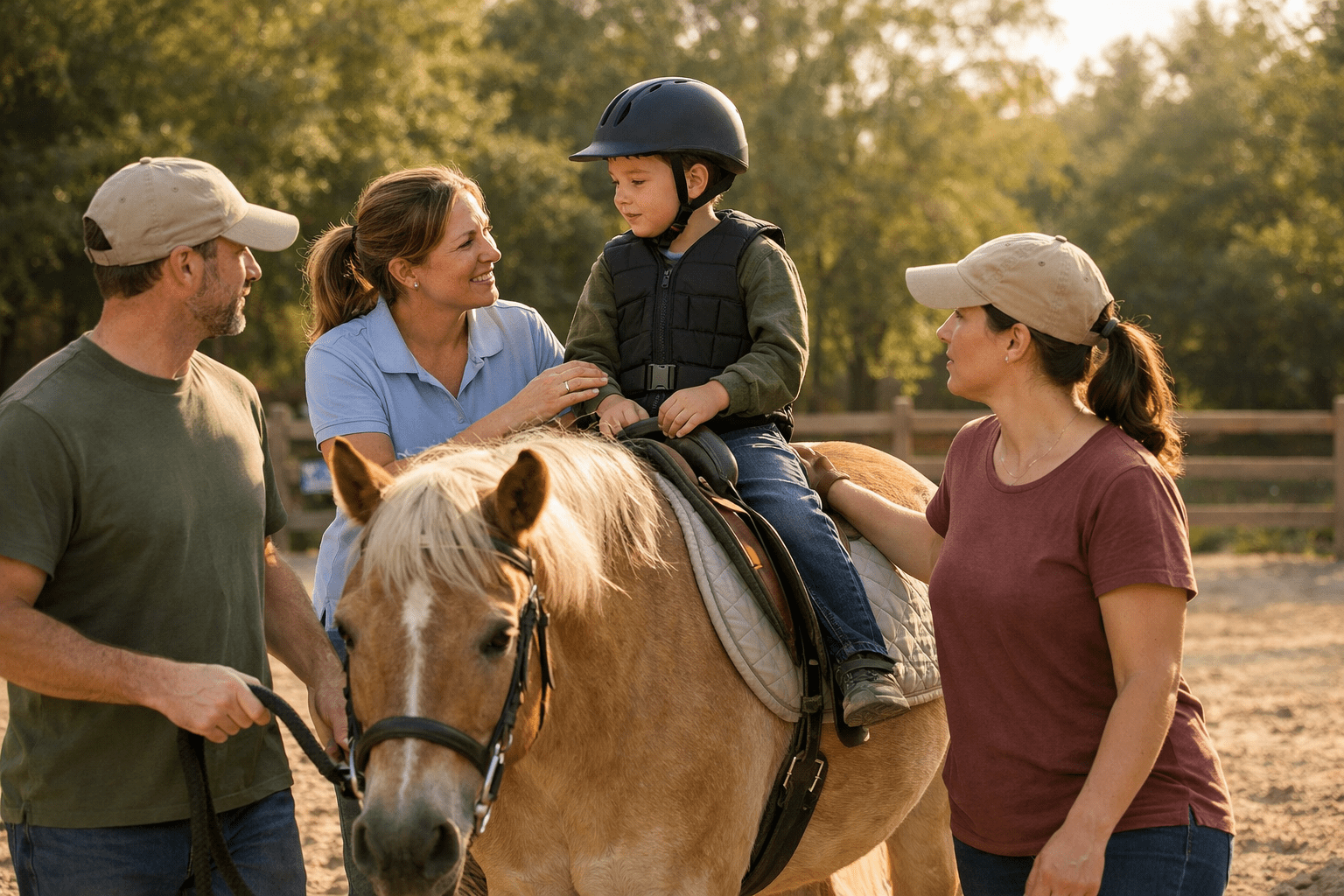
Equine therapy covers hippotherapy, adaptive riding, equine-assisted mental health, and learning programs. Here’s what each involves, who it helps, what research shows, and how to find one.
No one learns focus from a worksheet at the barn — they learn it by leading a horse that only moves when their attention does. Here is how that supports thinking skills, and what the research really says.

A horse cannot be talked into trusting you. It reads your breath, your posture, your pace — and that honest, immediate feedback is exactly what makes the work effective.
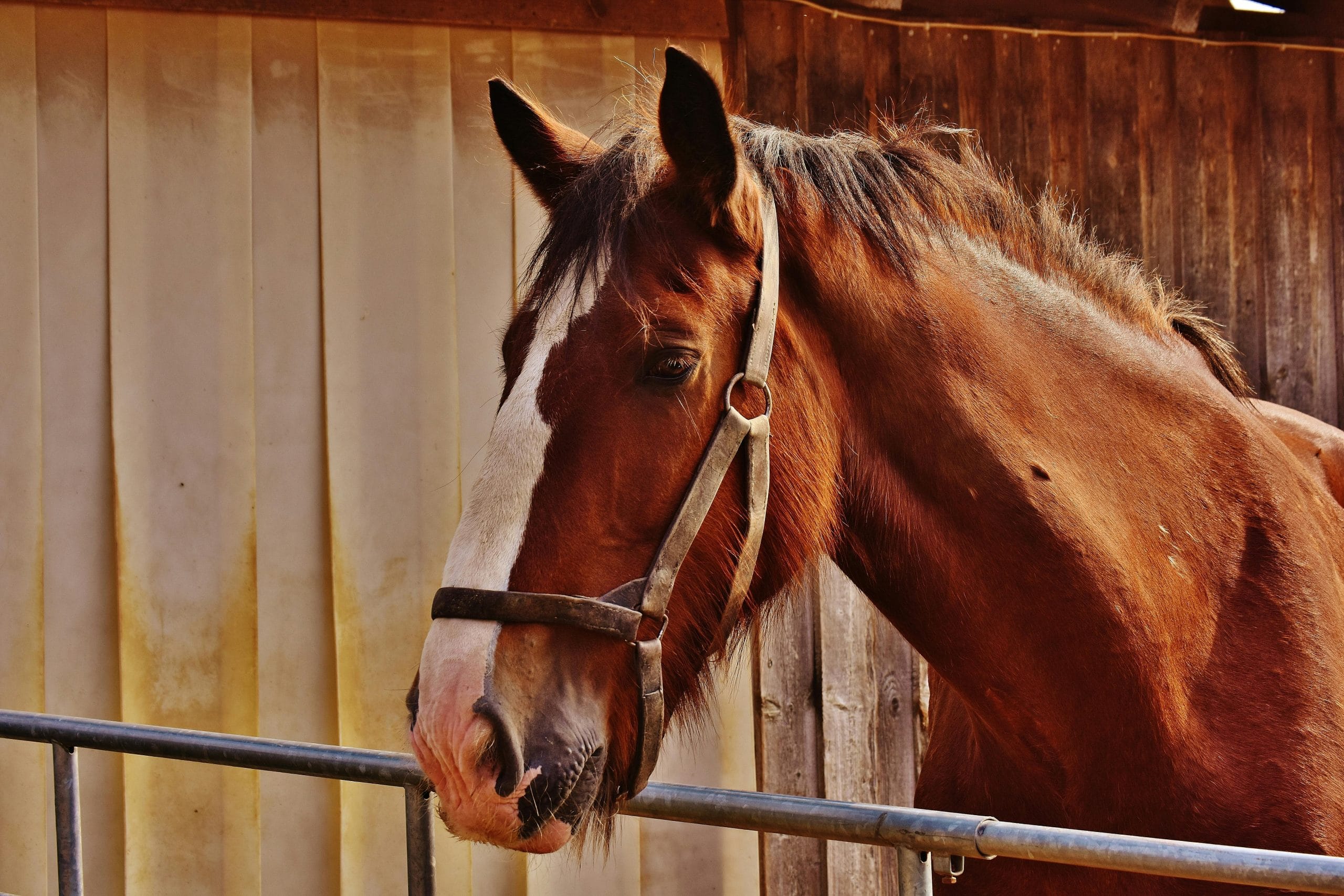
A walking horse asks the body for hundreds of tiny adjustments. Within skilled care, that movement may support balance, posture, and coordination — here is what it helps with, and what the evidence shows.
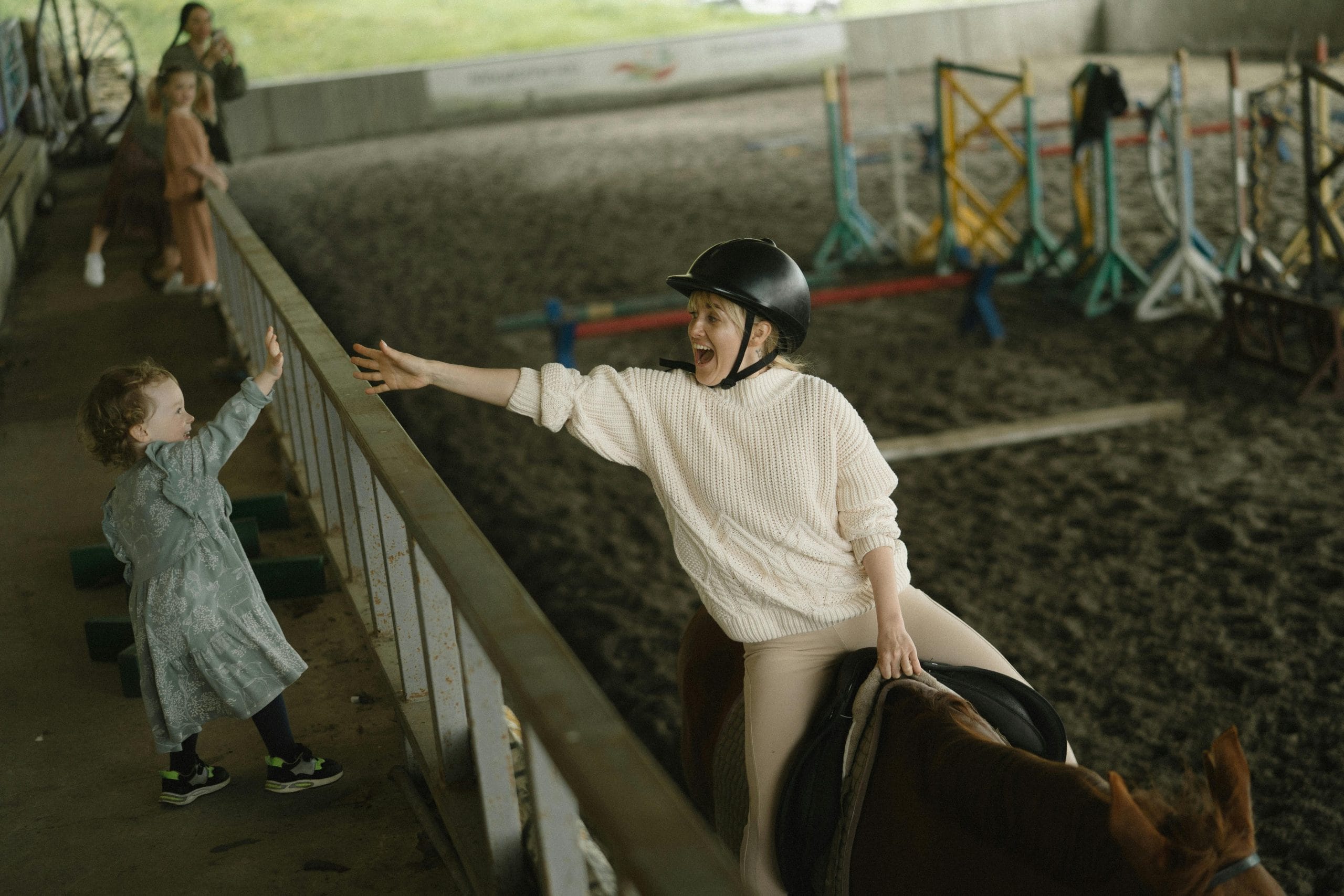
The calm you see in the arena is the work of a whole team — licensed therapists, instructors, horse handlers, and volunteers. Here is who does what, and why each role matters for a safe session.
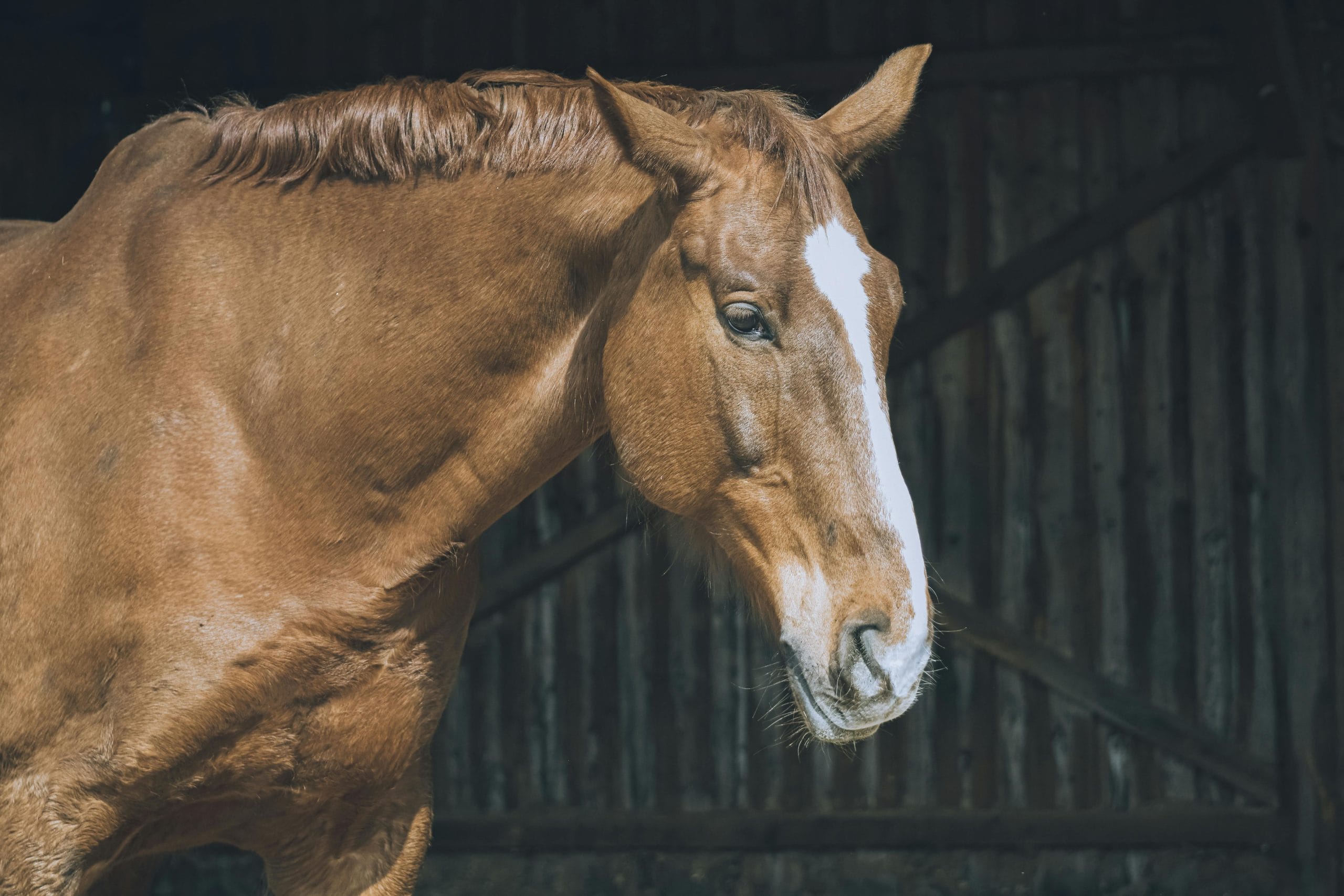
You do not need a diagnosis, experience, or even much confidence to spend time with horses. Here is how to tell whether non-clinical equine activities are the right fit for you — before you ever set foot in the barn.
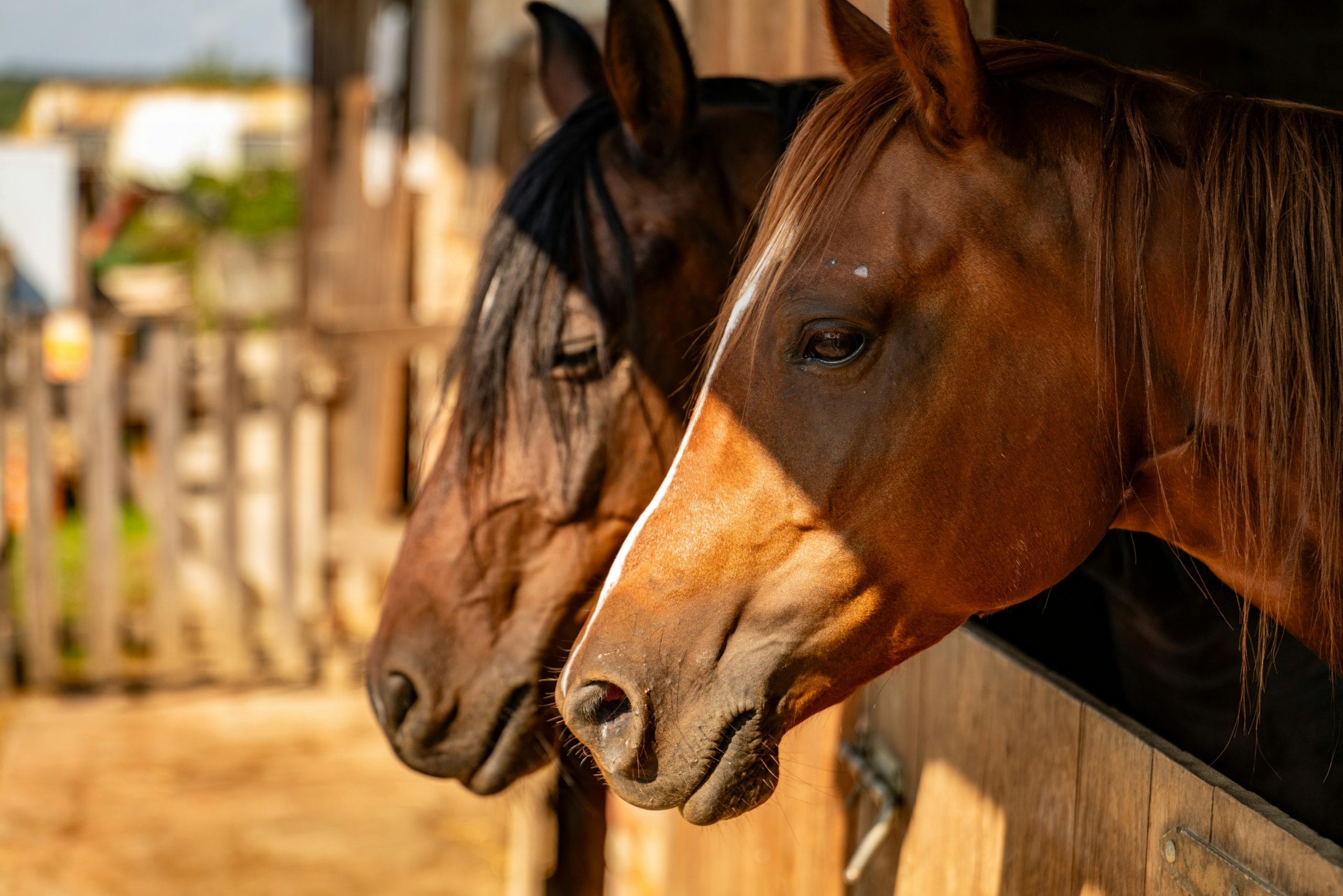
A horse will not pretend. Sit taller and it softens; tense up and it waits. That honest, judgment-free response is what helps people find confidence they did not know they had.
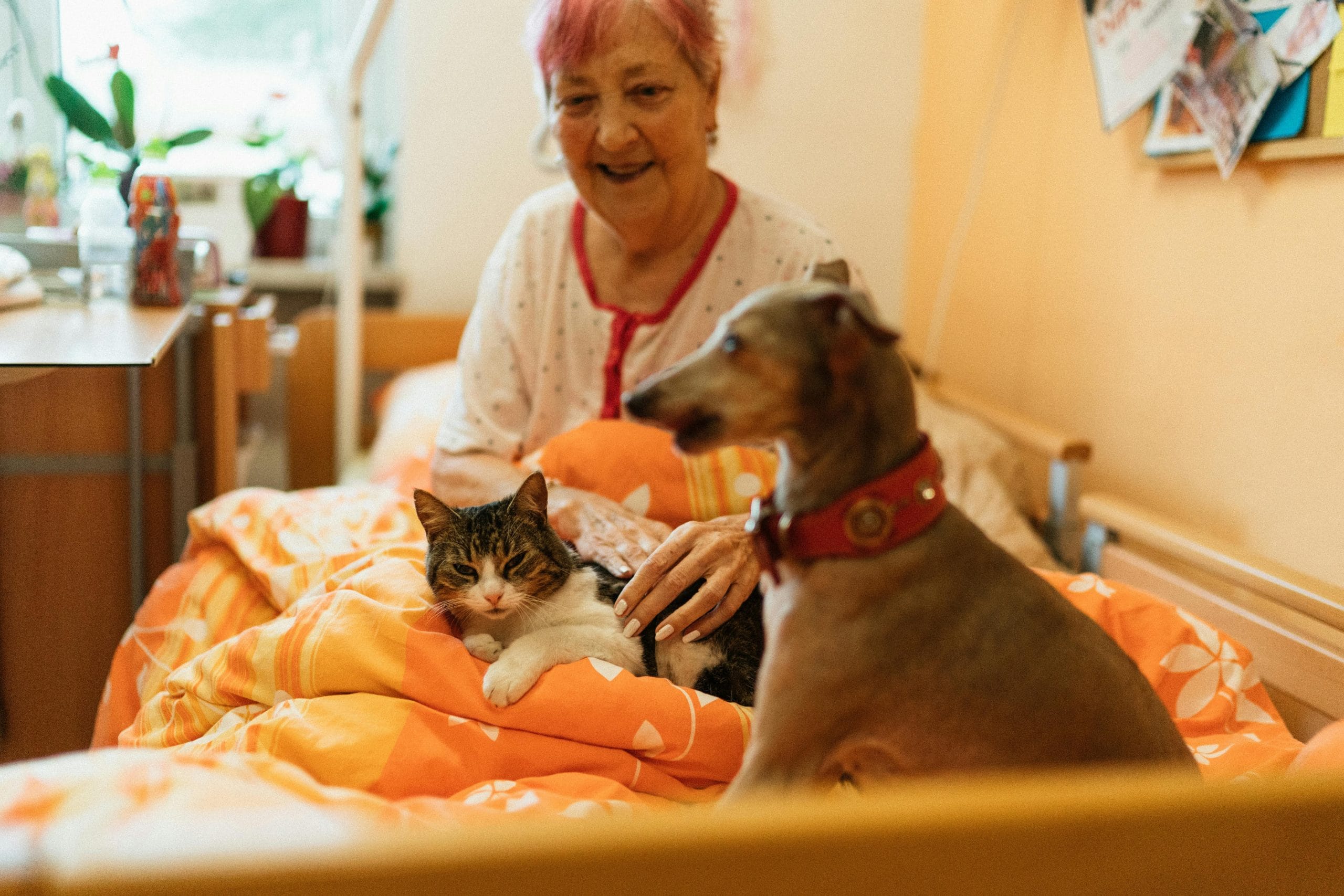
Two hundred years before anyone called it therapy, a Quaker asylum kept rabbits on its lawns because the patients seemed calmer around them. The rest is a slow, surprising history.