

In equine-assisted psychotherapy, you may never get on the horse. The work happens on the ground — and the honest, in-the-moment feedback a horse gives can be hard to argue with.
The Equine-Assisted Programs category introduces readers to the many non-clinical ways people engage with horses for learning, skill-building, recreation, and personal growth. Articles in this section explain program types such as adaptive riding, therapeutic riding, equine-assisted learning, groundwork-based horsemanship, inclusive recreational riding, and other structured activities that help participants build confidence, communication skills, coordination, and a sense of connection.
11 guides, most recently updated first
Search 959 centers across the US and Canada.
The Equine-Assisted Programs category introduces readers to the many non-clinical ways people engage with horses for learning, skill-building, recreation, and personal growth. Articles in this section explain program types such as adaptive riding, therapeutic riding, equine-assisted learning, groundwork-based horsemanship, inclusive recreational riding, and other structured activities that help participants build confidence, communication skills, coordination, and a sense of connection.
In equine-assisted psychotherapy, you may never get on the horse. The work happens on the ground — and the honest, in-the-moment feedback a horse gives can be hard to argue with.
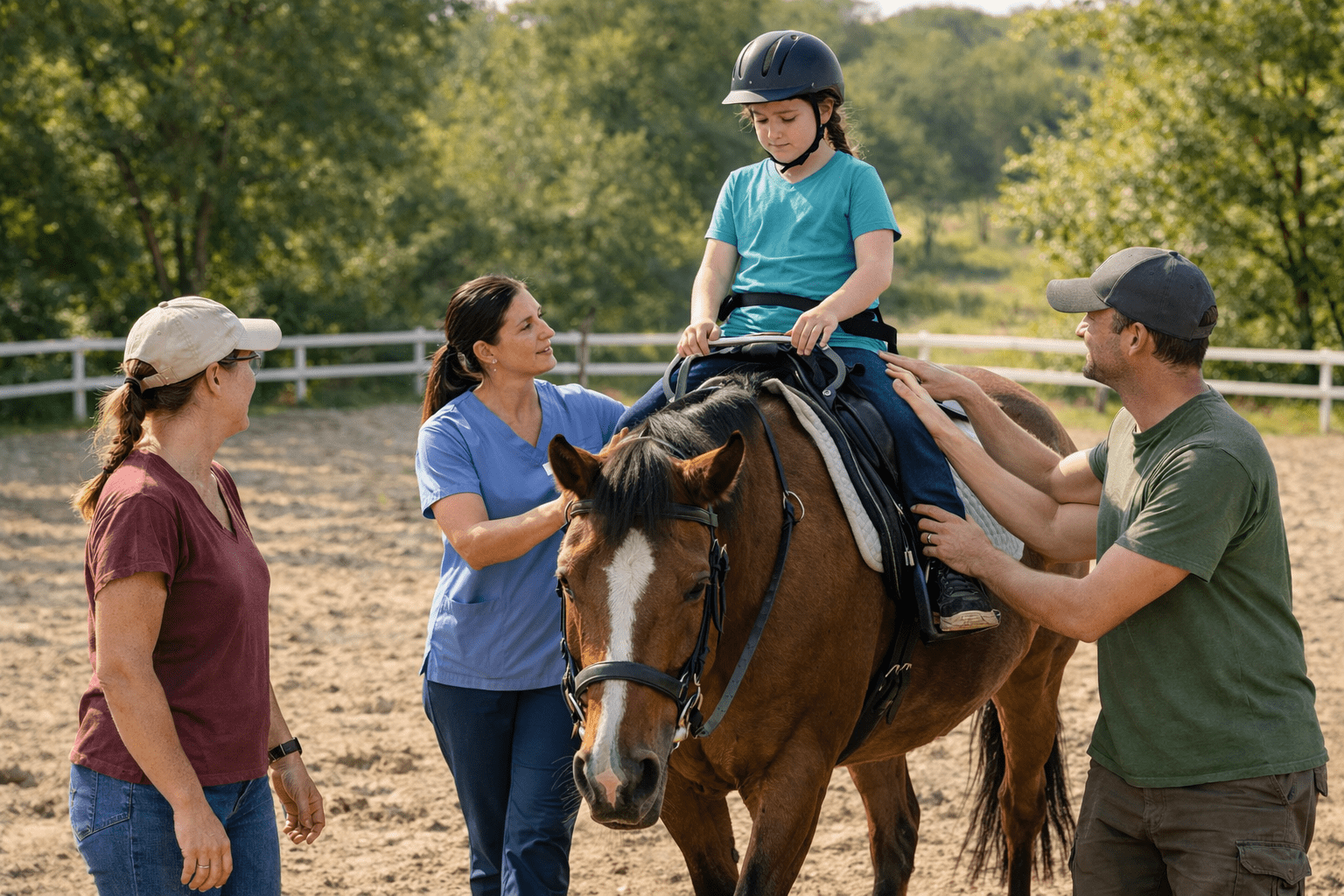
It looks like a gentle horseback ride. Clinically, it’s a licensed therapist using the horse’s movement as a precise treatment tool — here’s how hippotherapy actually works.
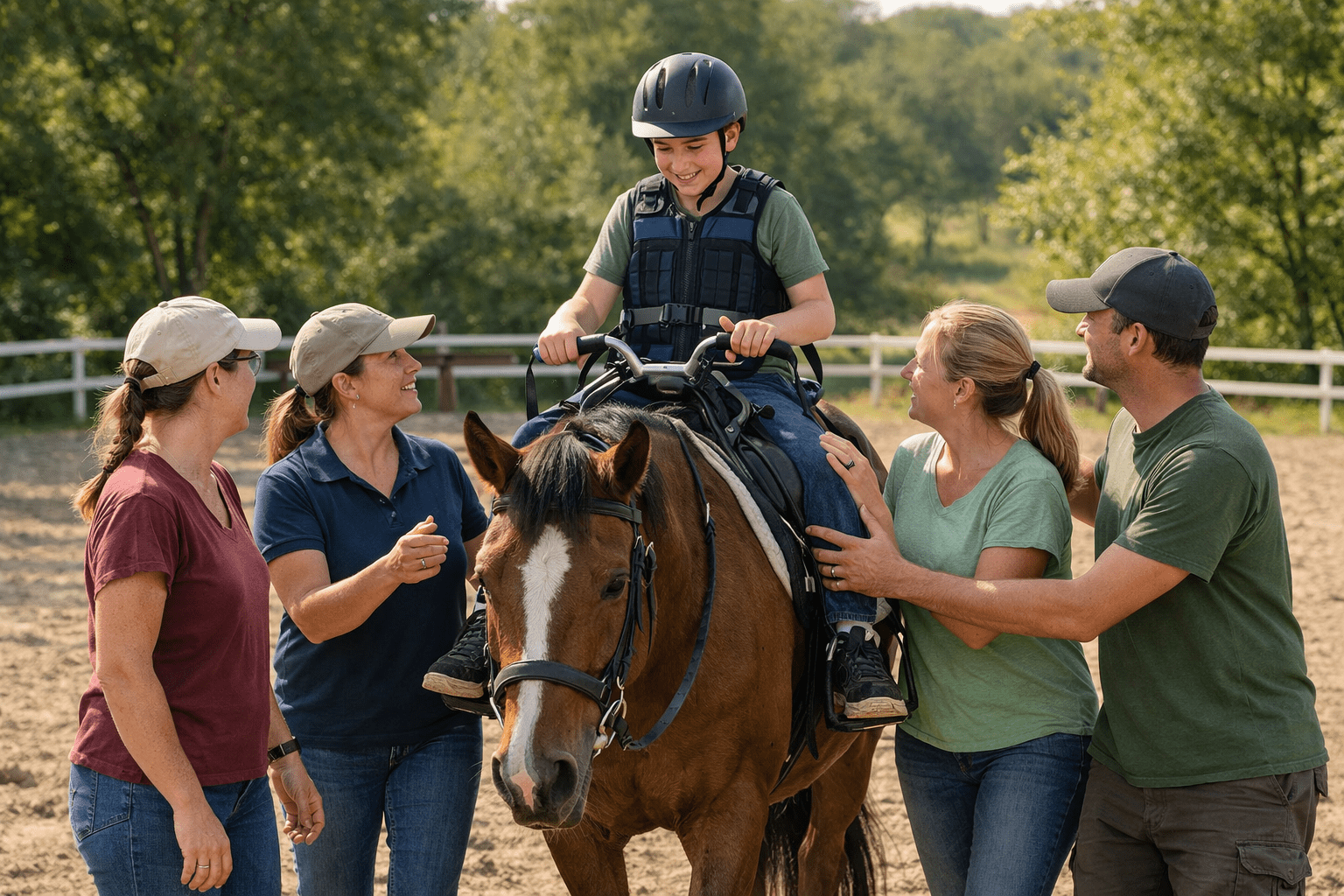
Learn the difference between adaptive riding and therapeutic riding, including goals, structure, and how to choose the right program.
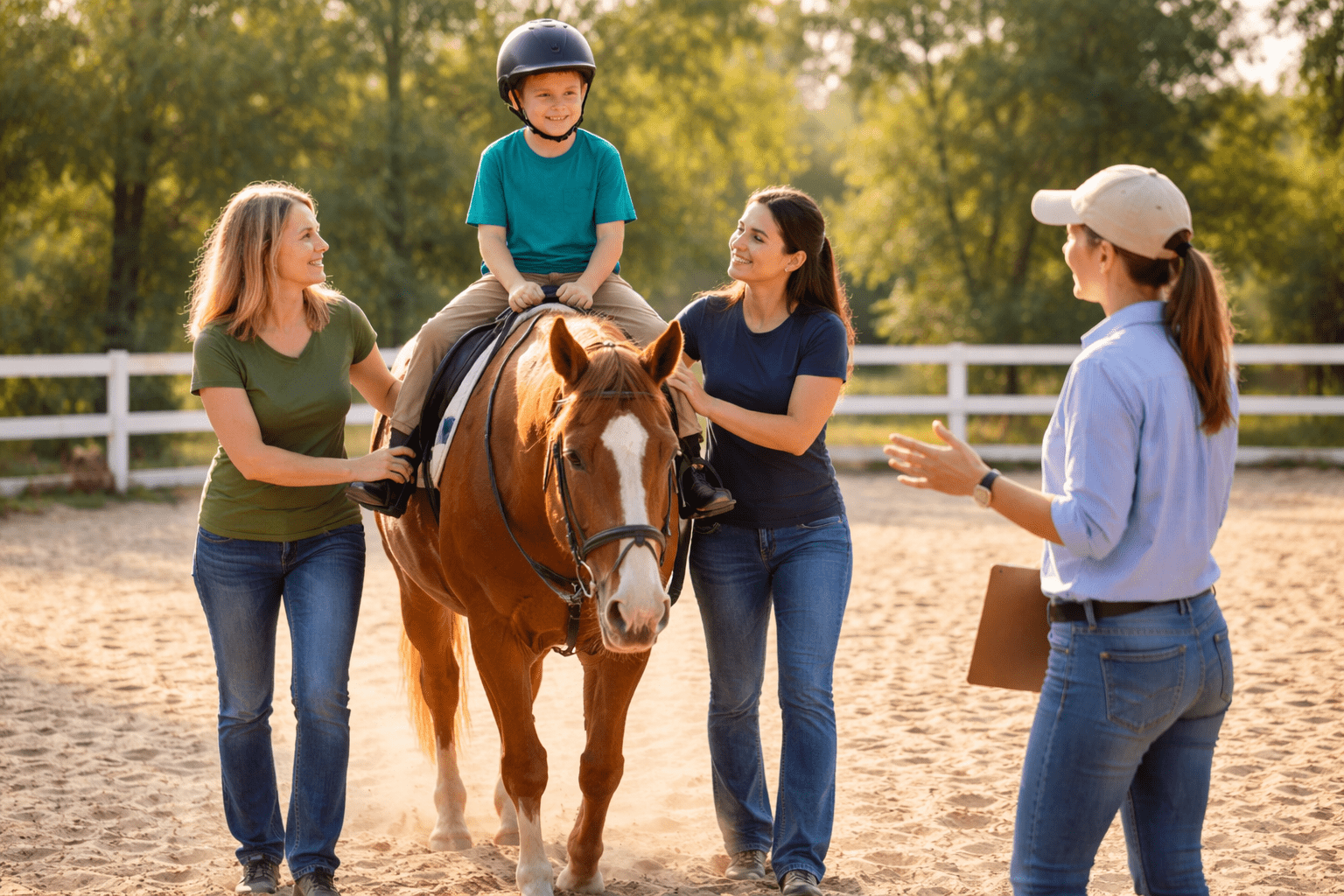
It can look like an ordinary riding lesson — but the goal was never the ride. Here’s what therapeutic riding actually does, who it helps, and how to find the right program.
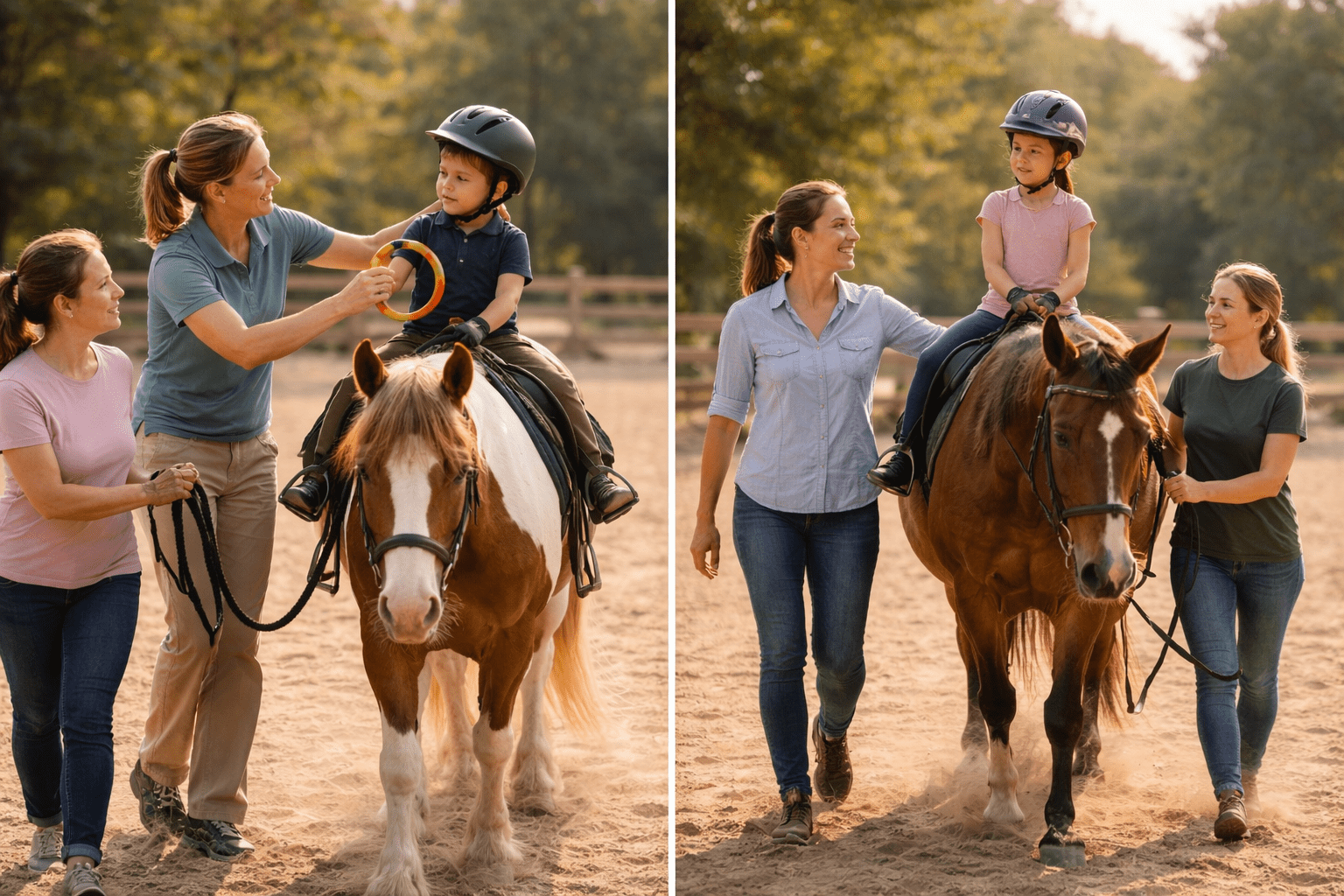
They look almost identical from the arena fence — same horse, same helmet, same side walkers. The difference is who’s leading the session, and it changes everything from goals to whether insurance will pay.
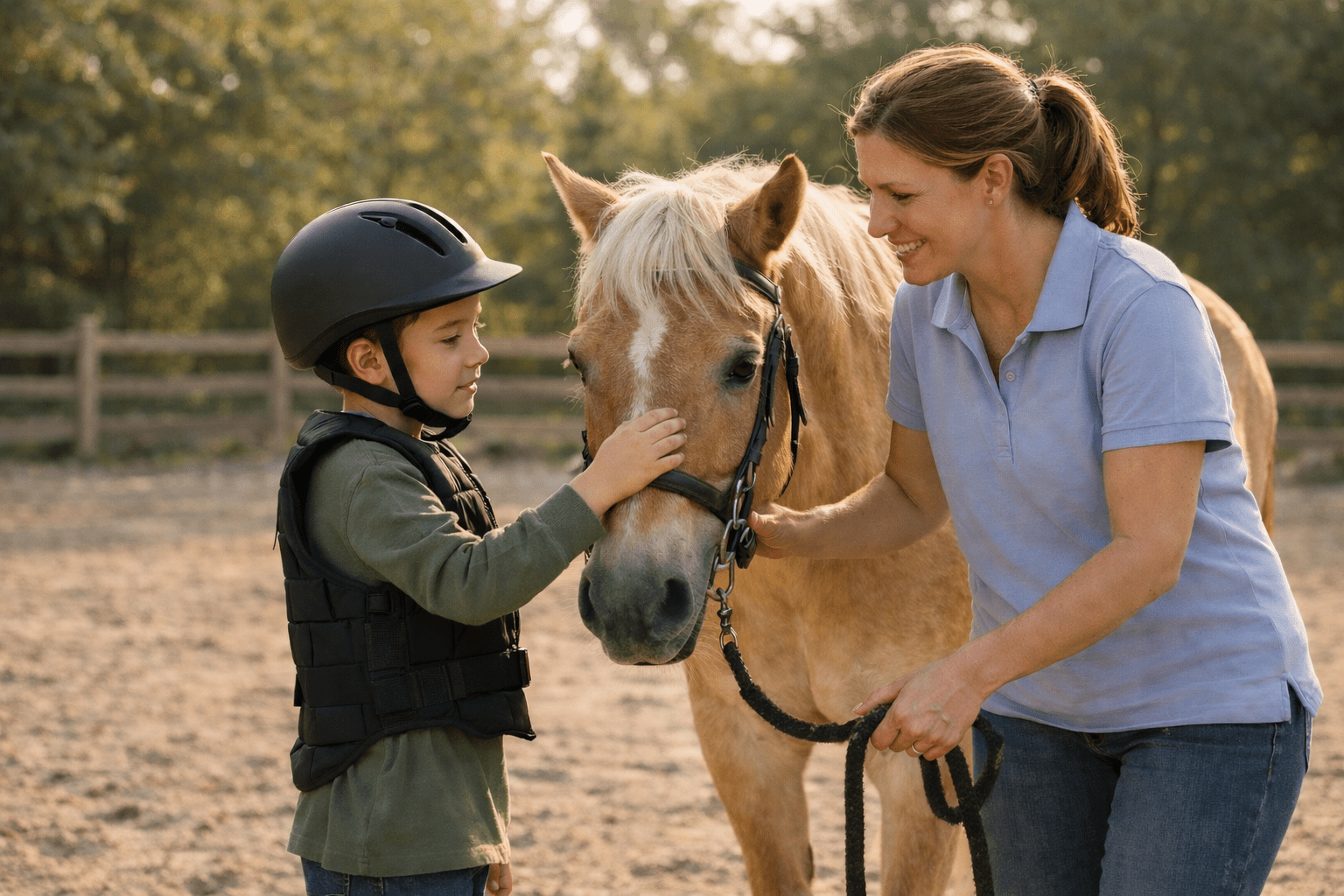
For some autistic kids, a barn clicks in a way a clinic never does — movement, routine, and a 1,200-pound partner who reads every cue. Here’s what equine therapy can and can’t do for autism.
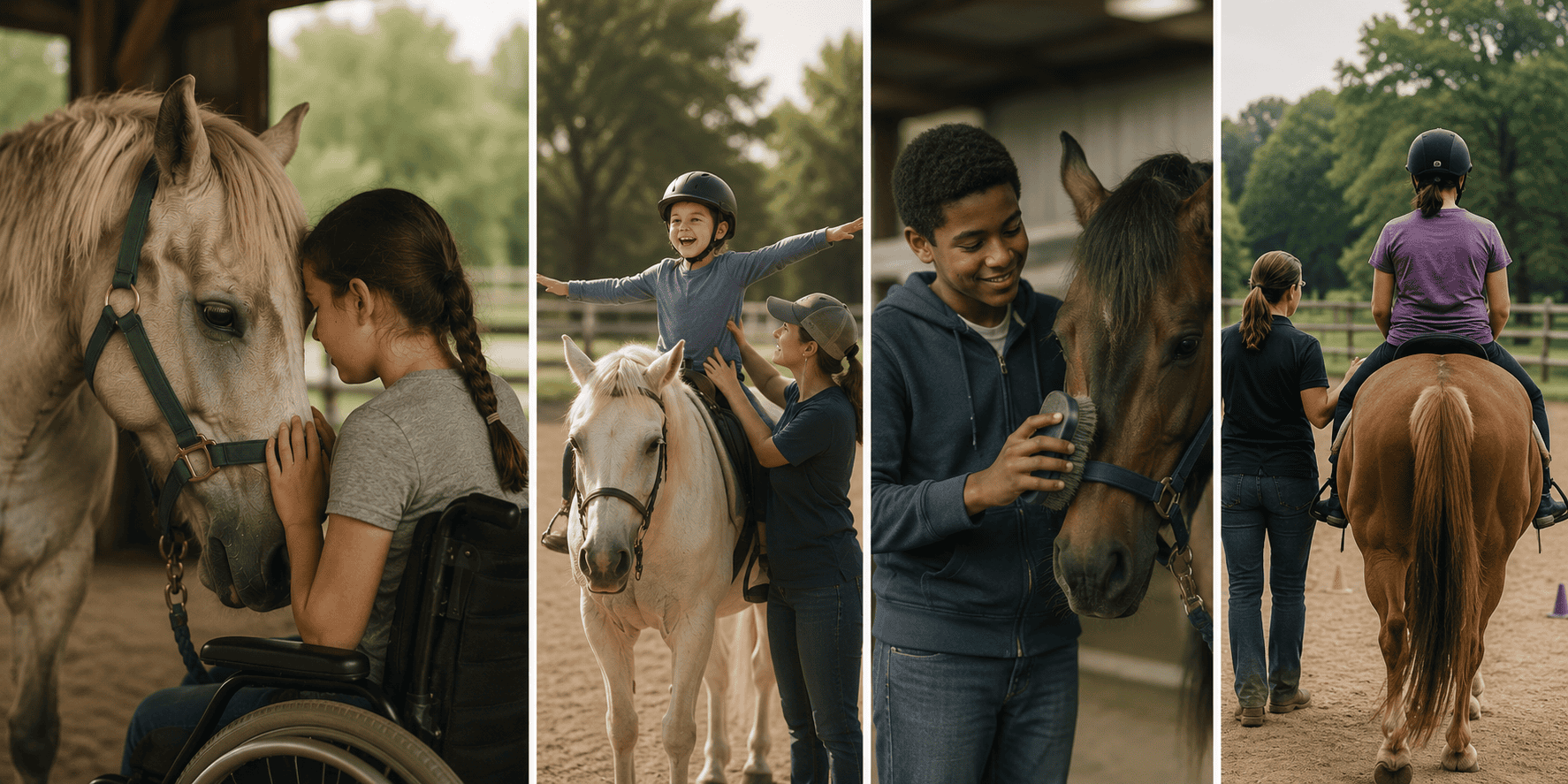
Not every horse program means climbing into a saddle. From adaptive riding to ground-based learning to hands-on horsemanship, here are the main ways to spend time with horses — and how to find your fit.
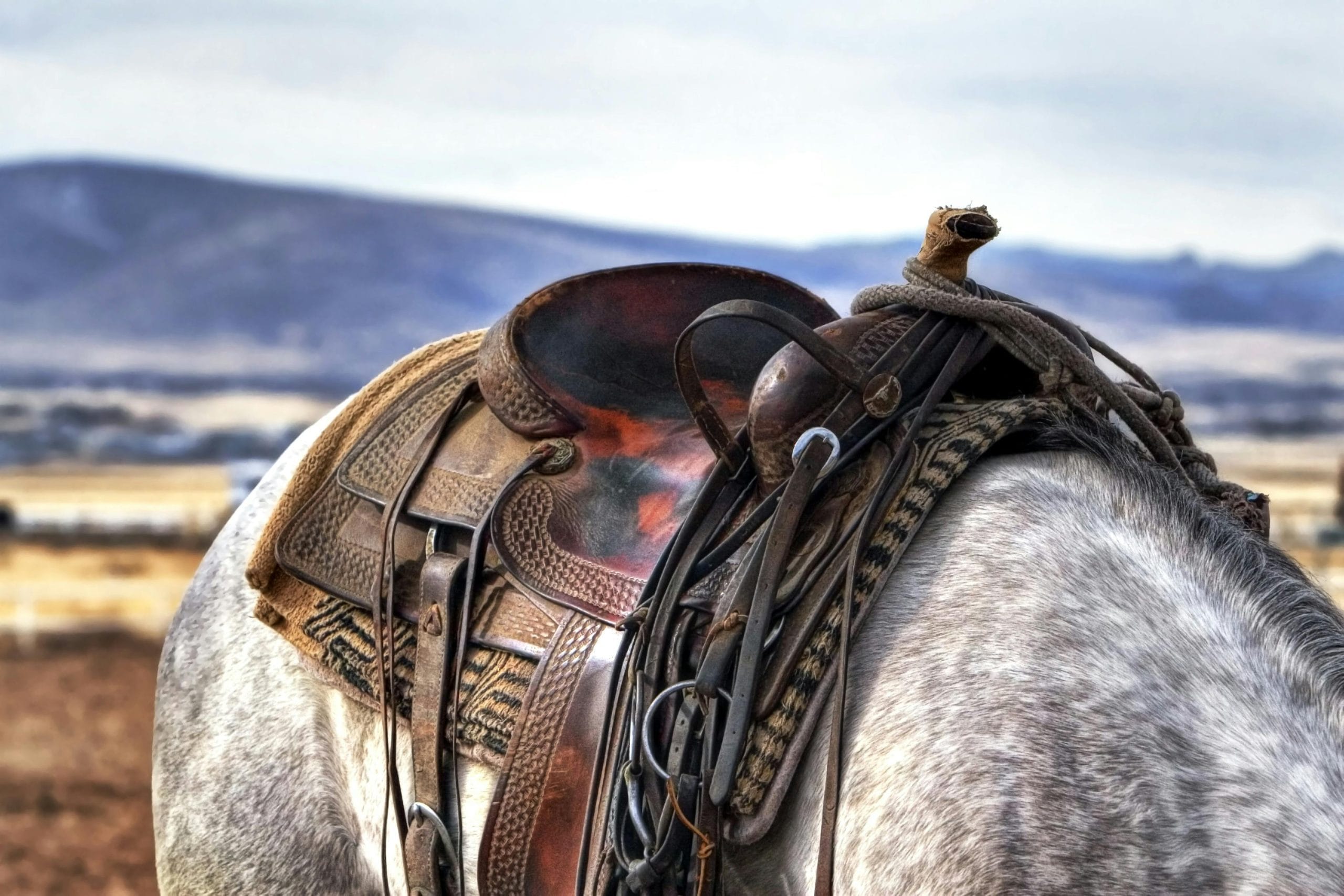
Hippotherapy, adaptive riding, EAL, EFP — the labels blur together, and not all of them mean what people think. Here is what each program type actually is, and who runs it.
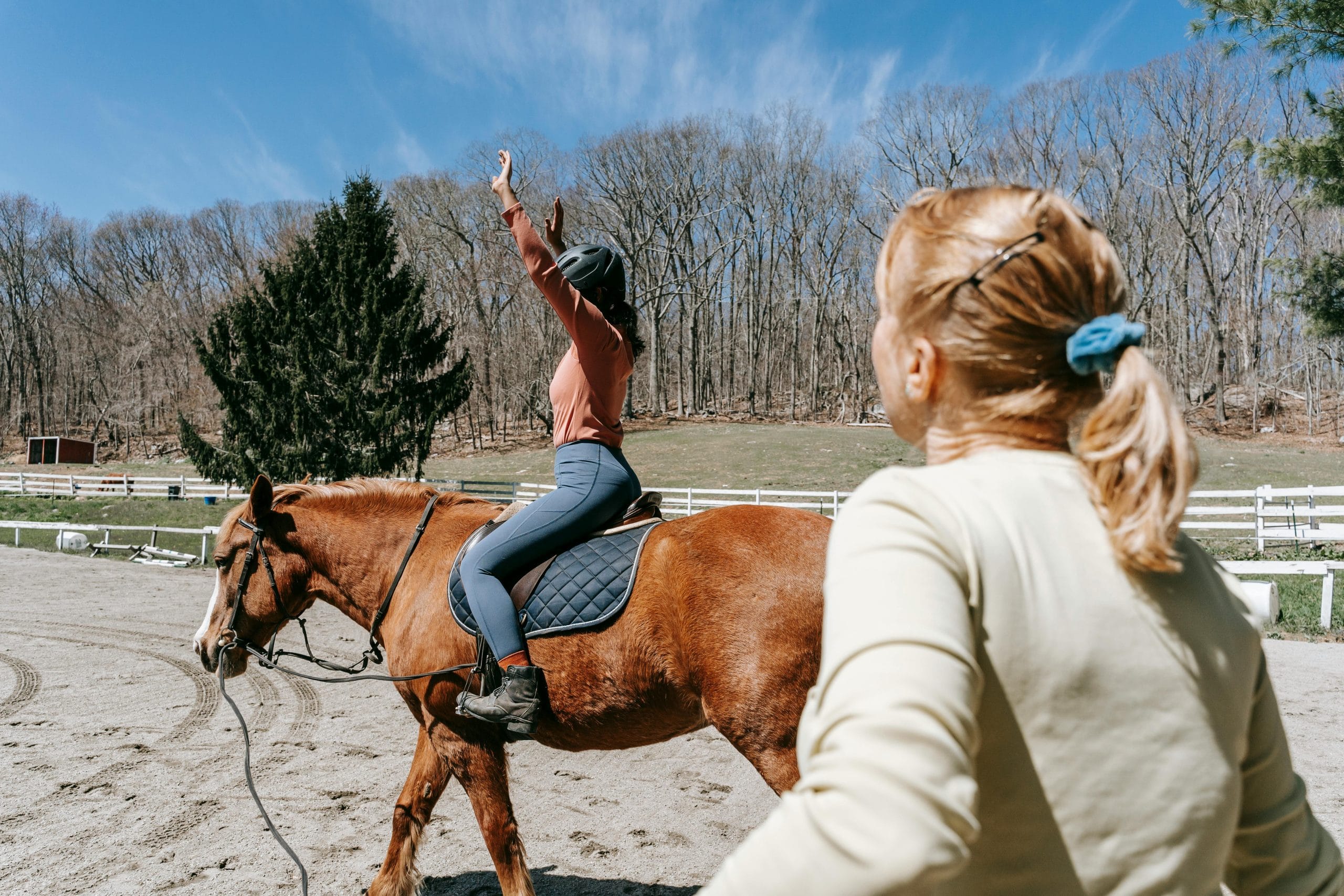
Horses cannot be fooled. They respond to how you actually show up, calm or rushed, clear or scattered, which makes them remarkable teachers of the skills that carry into daily life.
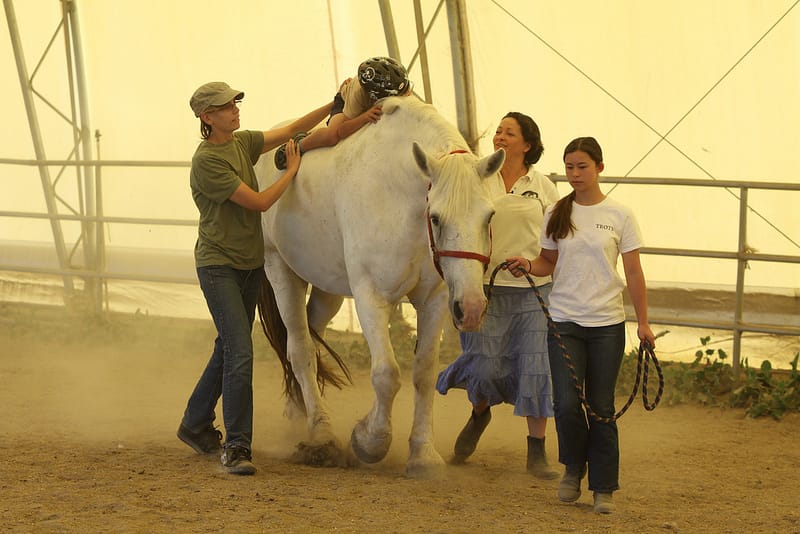
Learn how licensed PTs, OTs, and SLPs use horse movement in treatment, who benefits, safety basics, and how to choose a quality hippotherapy program.
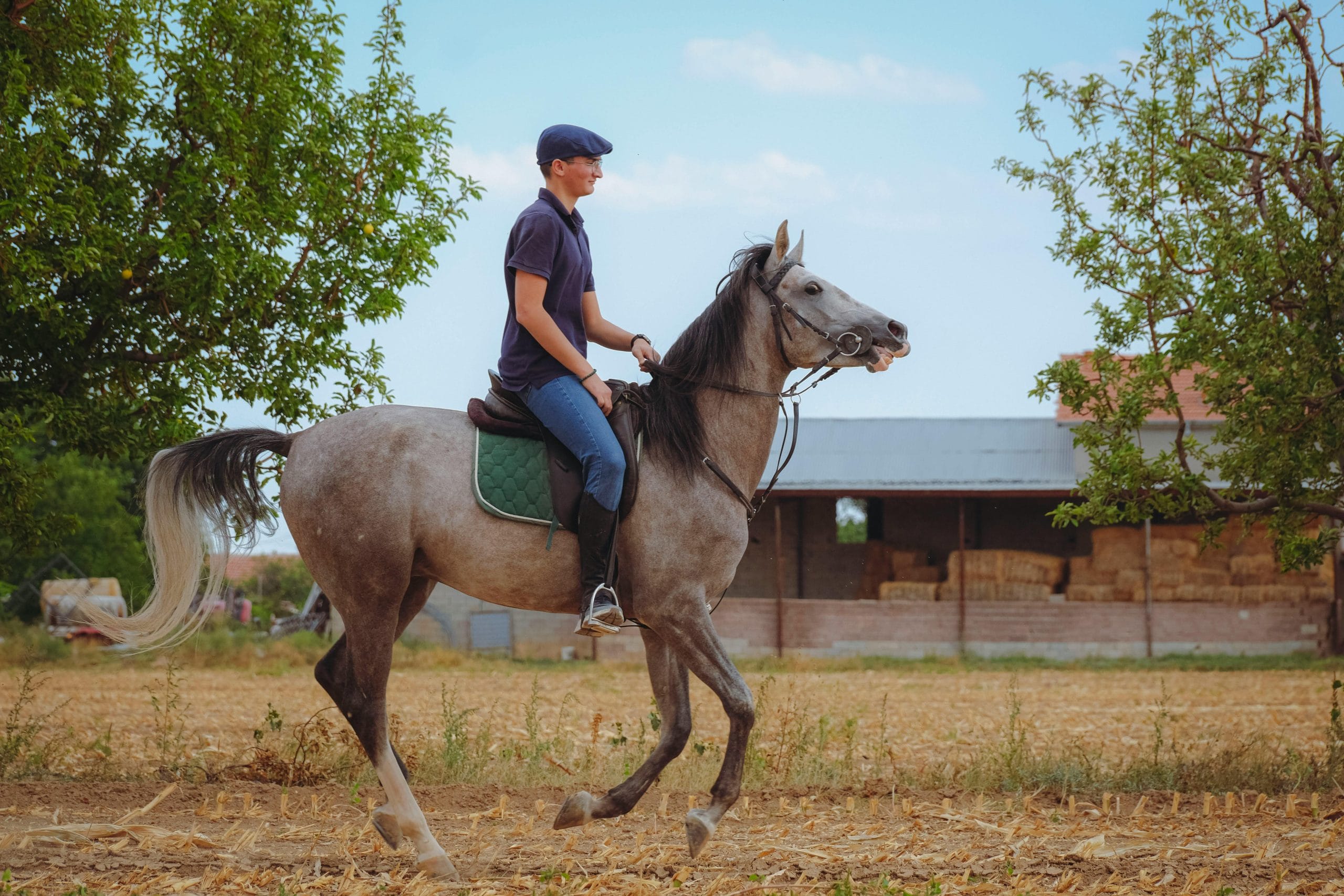
Riding a horse asks the body and mind to work together in ways few activities do. Here’s what riders actually gain — and where the evidence is strongest.