Equine Therapy for PTSD: What It Is and How It May Help
Of the mental-health uses, PTSD has the most research behind equine work — and the clearest message that it belongs alongside trauma care, not instead of it. Here is what the programs offer.
Guides
4 articles in this category
Of the mental-health uses, PTSD has the most research behind equine work — and the clearest message that it belongs alongside trauma care, not instead of it. Here is what the programs offer.
A barn can be a grounding place to practice calm — but it is not a substitute for treating anxiety. Here is what equine programs offer, what the evidence really says, and how to know if it fits.
Learn how equine therapy supports individuals with cerebral palsy through movement, balance, and structured programs like hippotherapy and therapeutic riding.
A walking horse moves a rider's pelvis in a rhythm close to human walking. Here is how licensed therapists put that motion to work for people with cerebral palsy, and what the research shows
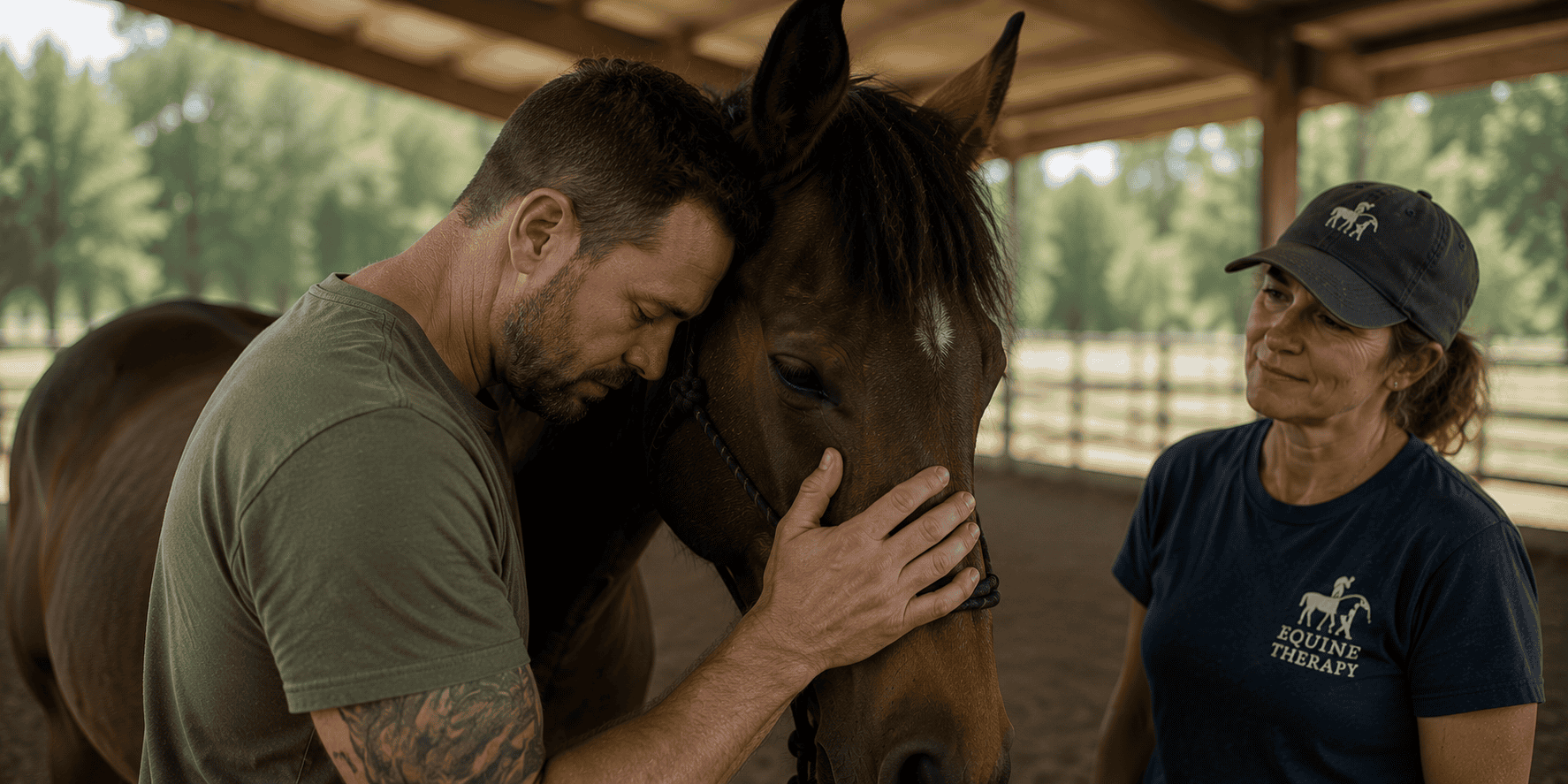
Of the mental-health uses, PTSD has the most research behind equine work — and the clearest message that it belongs alongside trauma care, not instead of it. Here is what the programs offer.
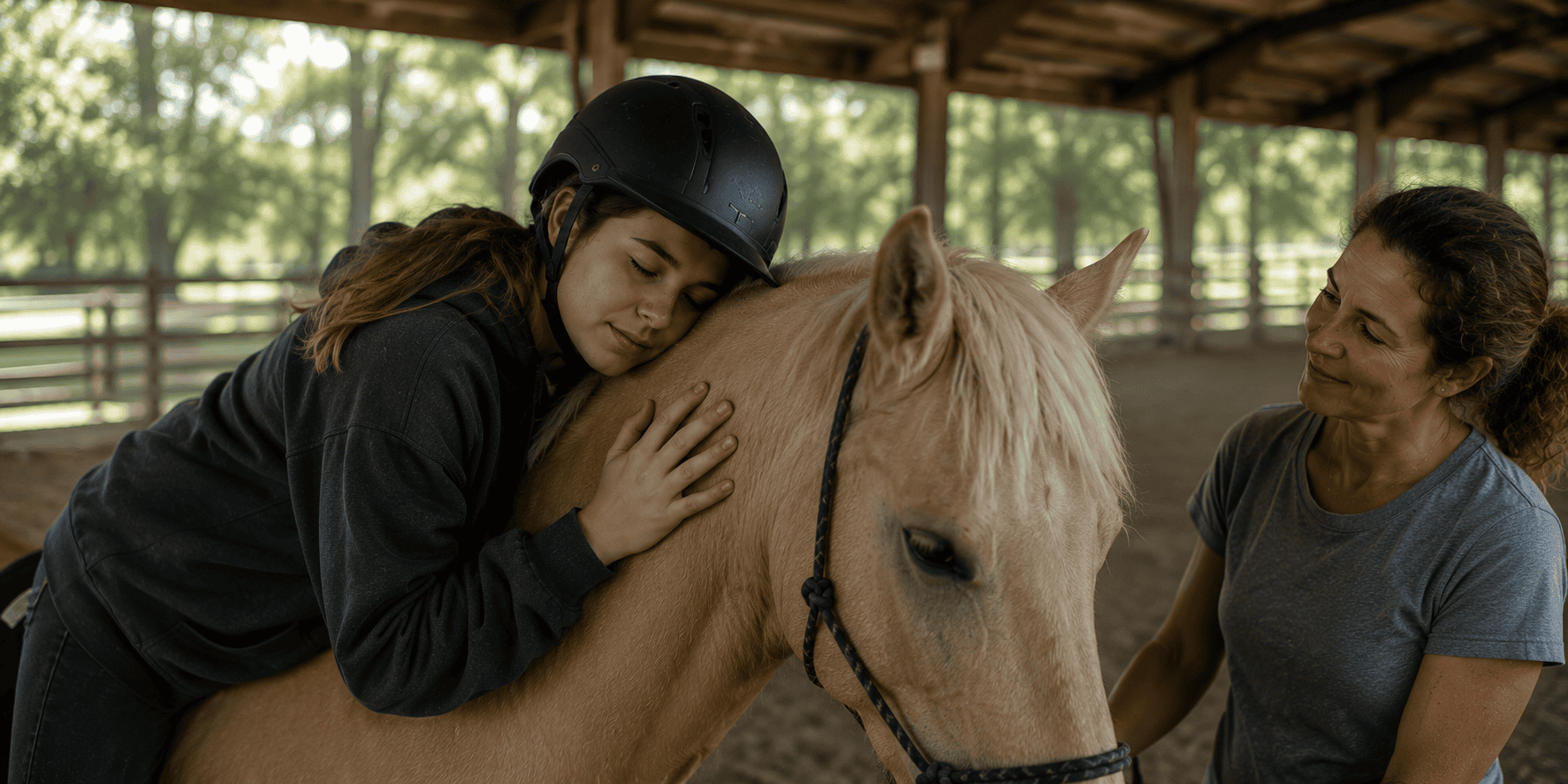
A barn can be a grounding place to practice calm — but it is not a substitute for treating anxiety. Here is what equine programs offer, what the evidence really says, and how to know if it fits.
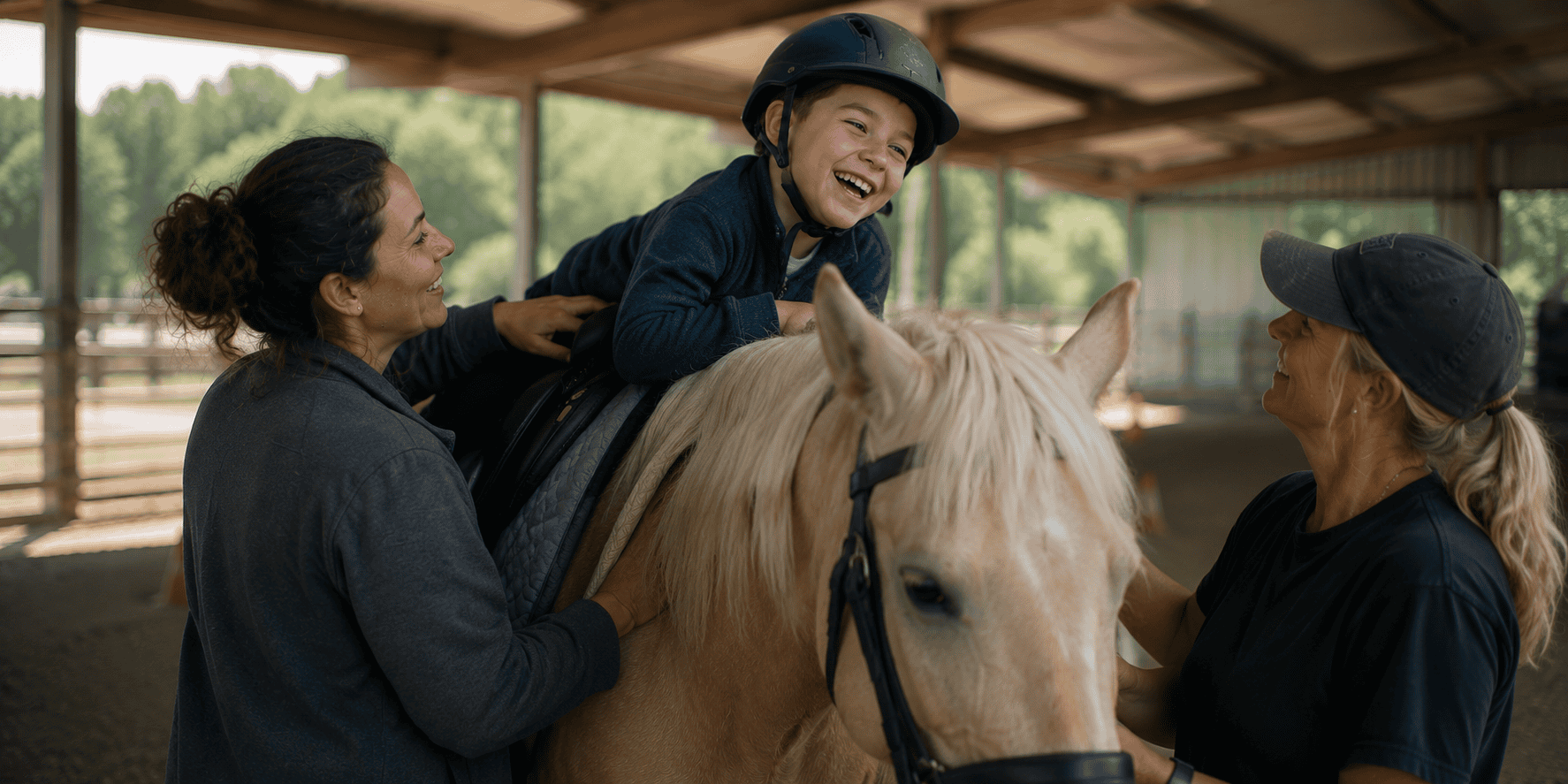
Learn how equine therapy supports individuals with cerebral palsy through movement, balance, and structured programs like hippotherapy and therapeutic riding.
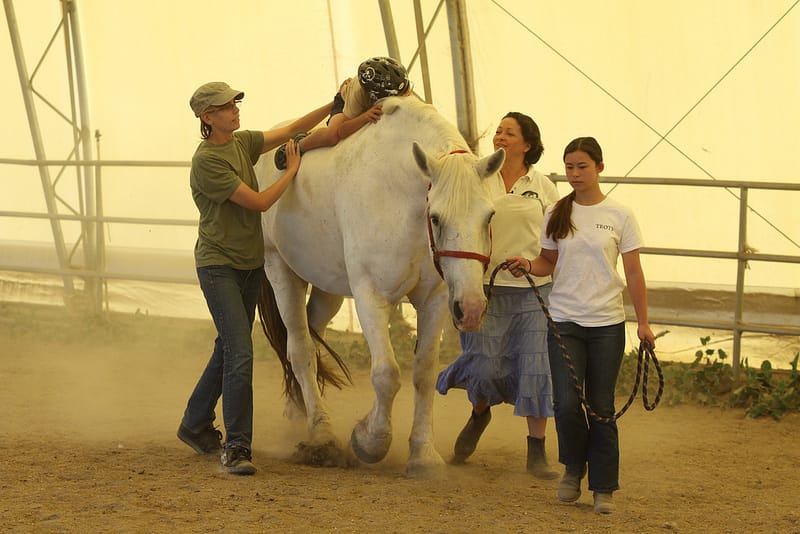
A walking horse moves a rider’s pelvis in a rhythm close to human walking. Here is how licensed therapists put that motion to work for people with cerebral palsy, and what the research shows