
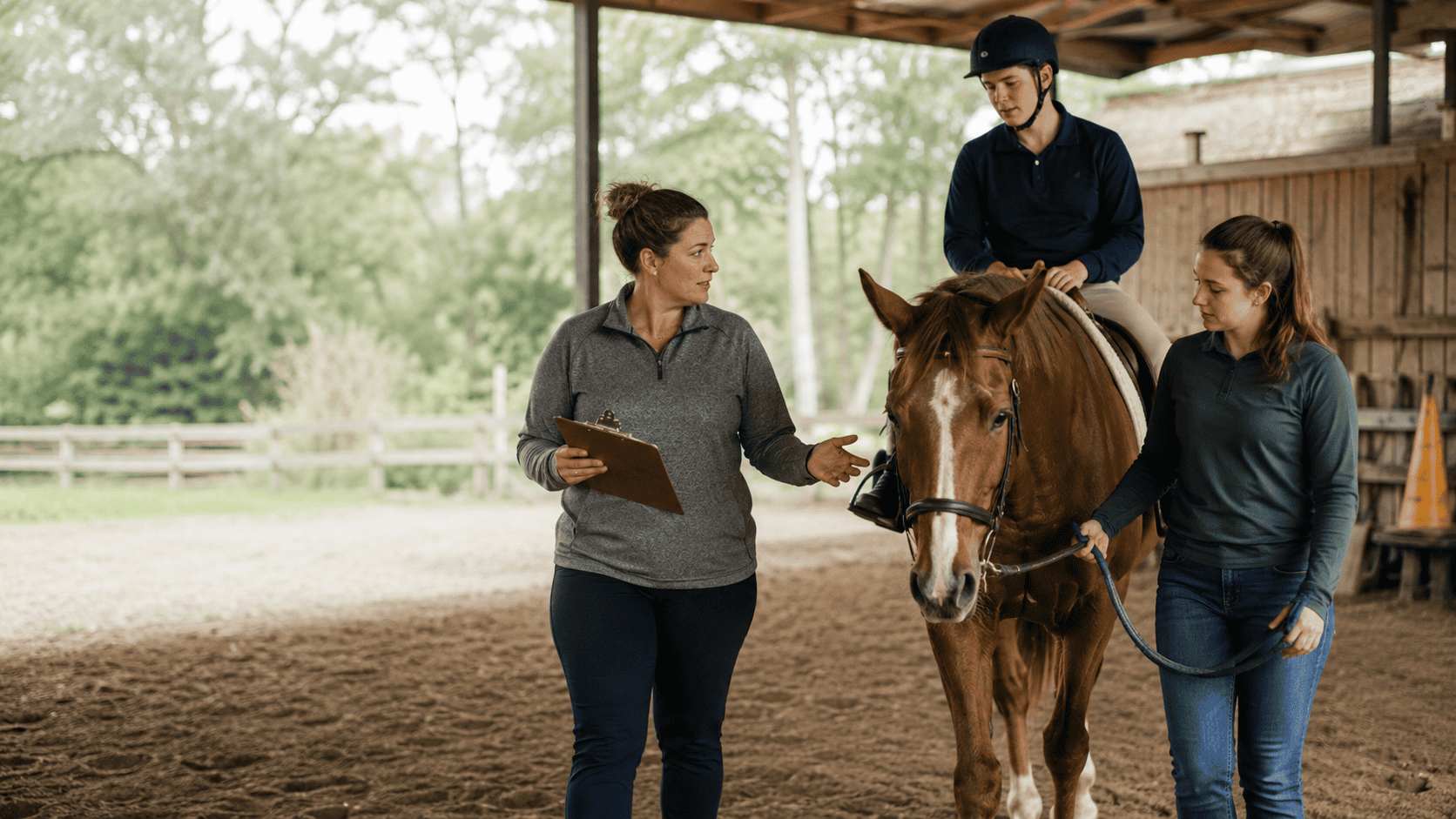
Horses are not a tool you pick up over a weekend. For licensed therapists, adding equine movement means coursework, supervised hours, and an optional board credential — here is how the pathway works.
The Training and Careers category is your guide to the education pathways that shape safe, high-quality equine-assisted services. These articles explain how instructor certifications, clinical training programs, continuing education, and specialized credentials work — and how they differ across adaptive riding, equine-assisted learning, mental-health models, and hippotherapy practice.
4 guides, most recently updated first
Search 959 centers across the US and Canada.
The Training and Careers category is your guide to the education pathways that shape safe, high-quality equine-assisted services. These articles explain how instructor certifications, clinical training programs, continuing education, and specialized credentials work — and how they differ across adaptive riding, equine-assisted learning, mental-health models, and hippotherapy practice.
Horses are not a tool you pick up over a weekend. For licensed therapists, adding equine movement means coursework, supervised hours, and an optional board credential — here is how the pathway works.
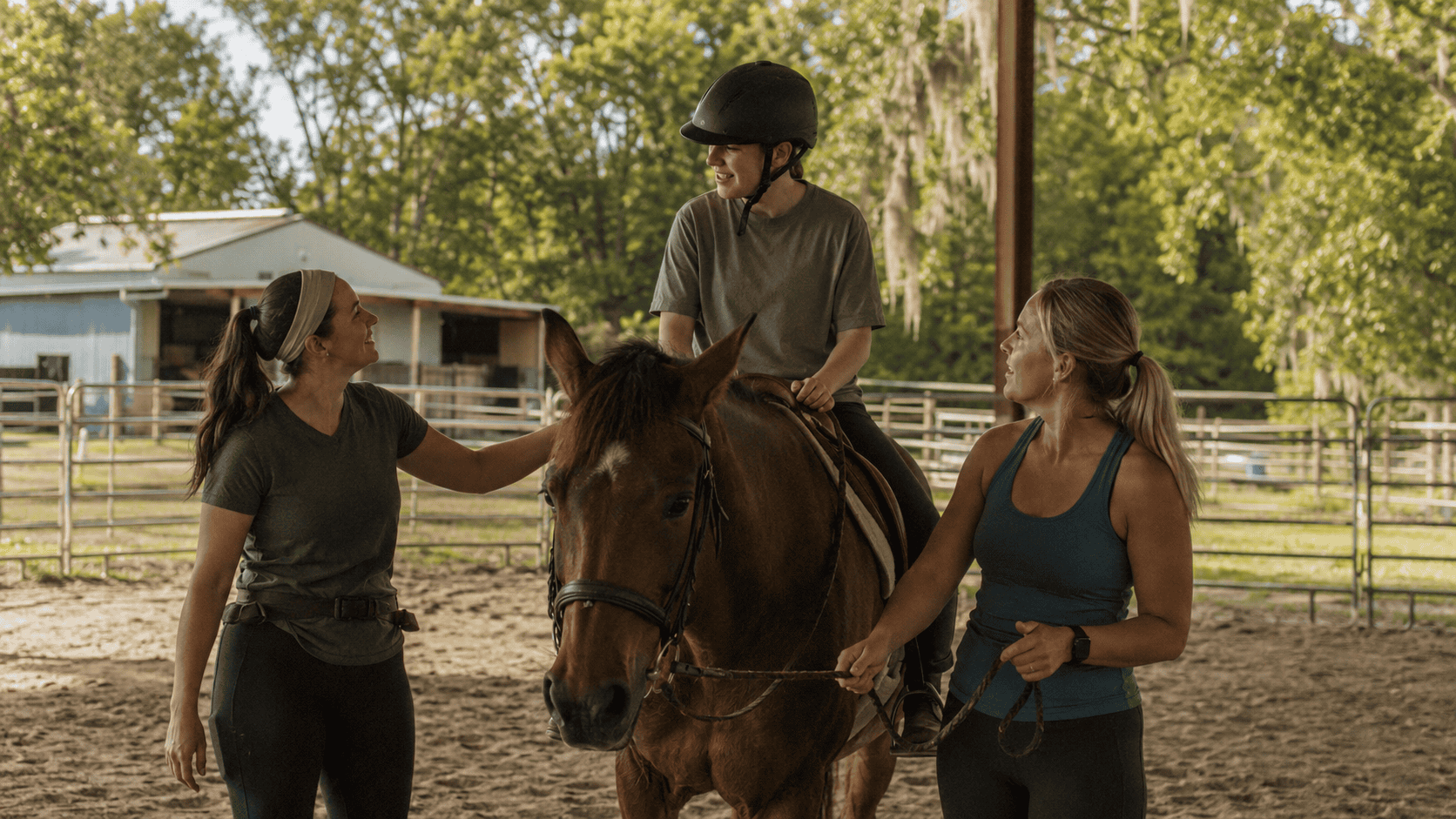
The CTRI is not a weekend course. It asks for real teaching hours, two exams, and often up to two years of barn time. Here is exactly what the credential requires — and how to prepare for it.
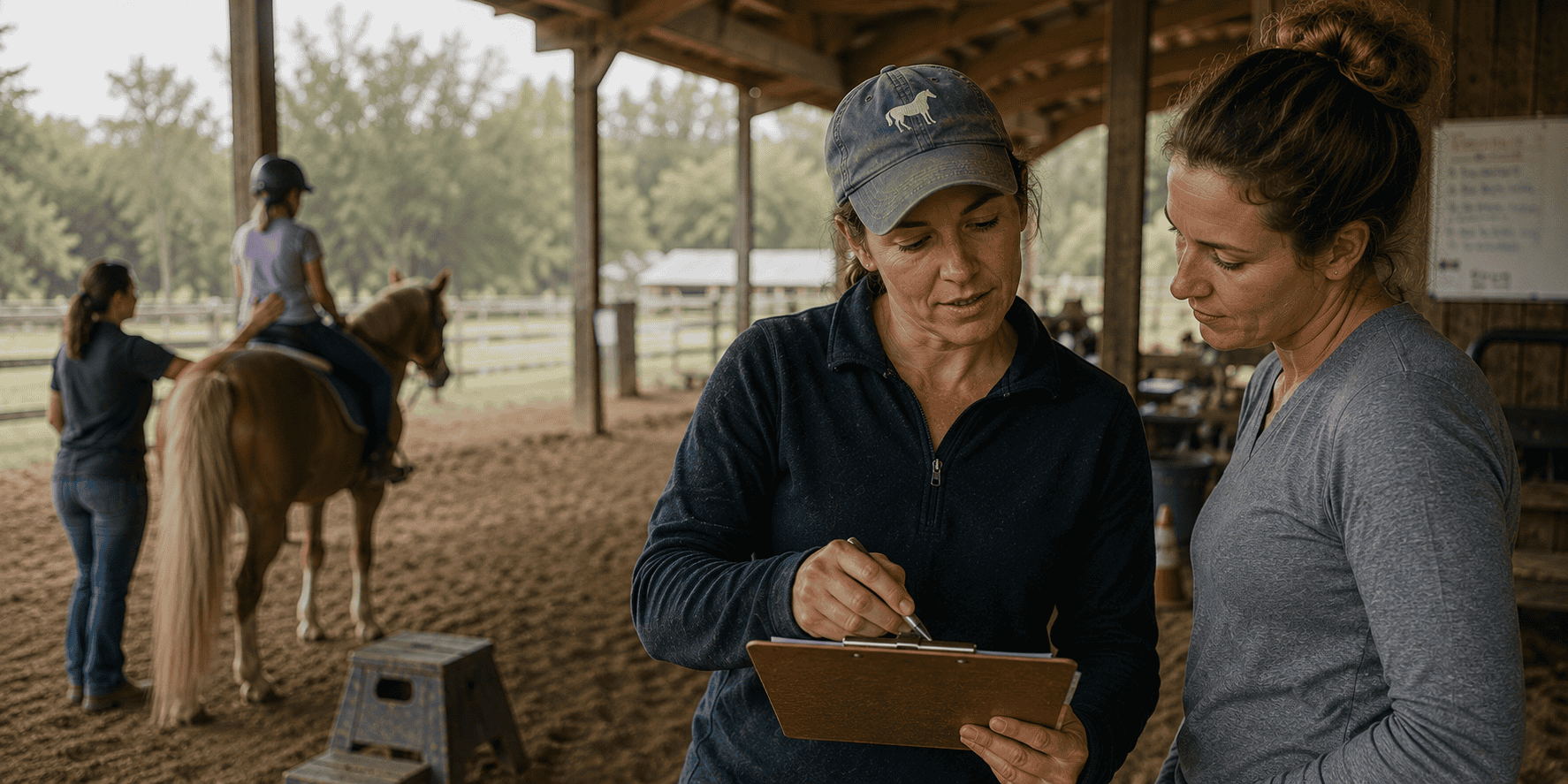
It is teaching, not therapy — opening the barn to riders who would otherwise be left out. If you have horse sense, patience, and the urge to teach, here is the path to becoming certified.
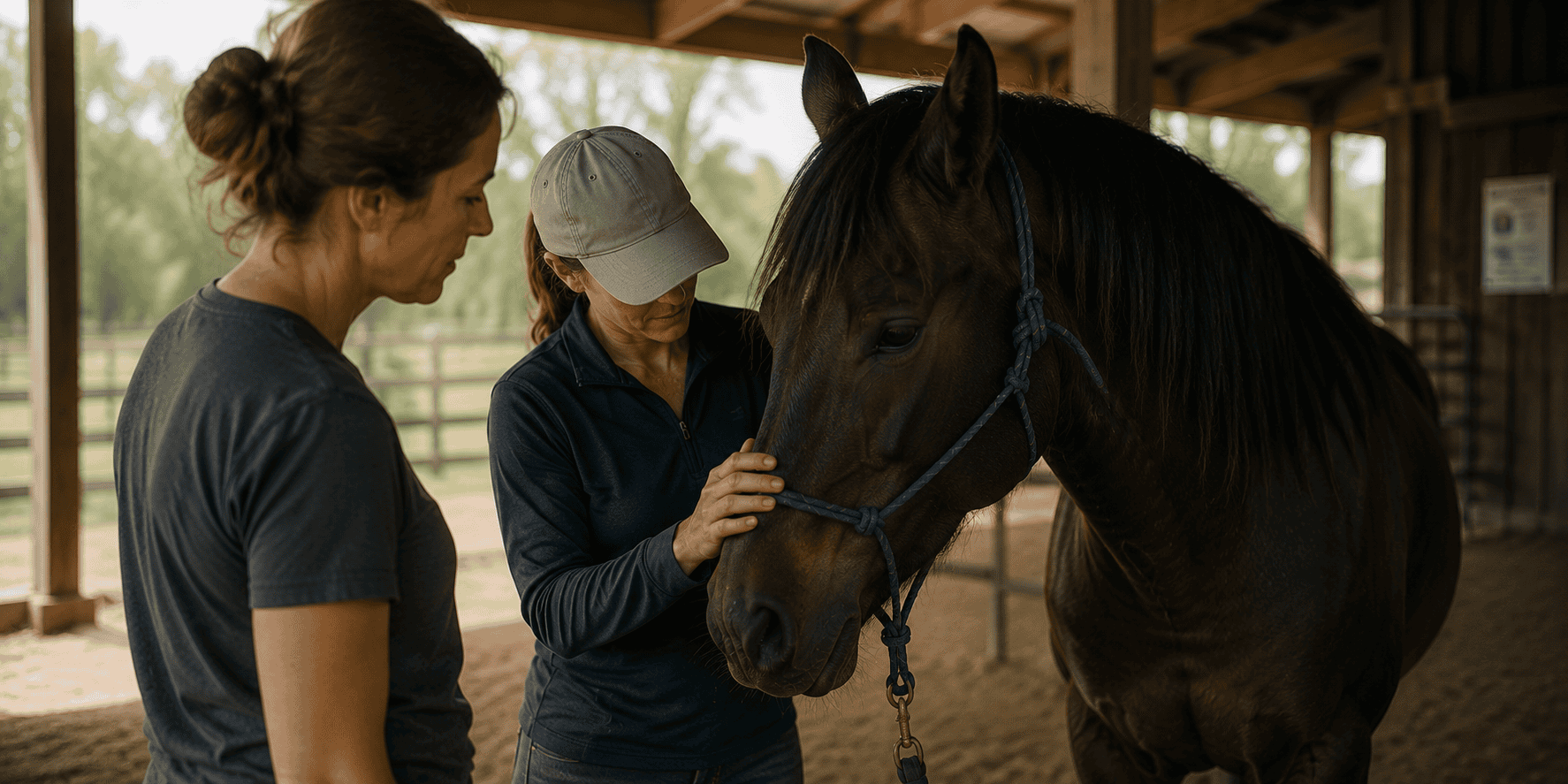
There is no single “equine therapy certificate.” Whether you want to teach riding, facilitate learning, handle horses, or practice clinically, the path is different — here is how to find yours.