

No saddle, no riding, no lead from the therapist. EAGALA built one of the field’s most distinctive models on a simple idea: put a person and a loose horse in an arena, and let the horse tell the truth.
The Organizations category highlights the nonprofits, associations, and training bodies that shape the field of equine-assisted services. Here you’ll find clear, plain-language profiles of national and regional organizations such as PATH Intl., CanTRA, Eagala, ARCH, Horses4Heroes, BraveHearts, and others that support program quality, professional education, research, and community access.
9 guides, most recently updated first
Search 959 centers across the US and Canada.
The Organizations category highlights the nonprofits, associations, and training bodies that shape the field of equine-assisted services. Here you’ll find clear, plain-language profiles of national and regional organizations such as PATH Intl., CanTRA, Eagala, ARCH, Horses4Heroes, BraveHearts, and others that support program quality, professional education, research, and community access.
No saddle, no riding, no lead from the therapist. EAGALA built one of the field’s most distinctive models on a simple idea: put a person and a loose horse in an arena, and let the horse tell the truth.
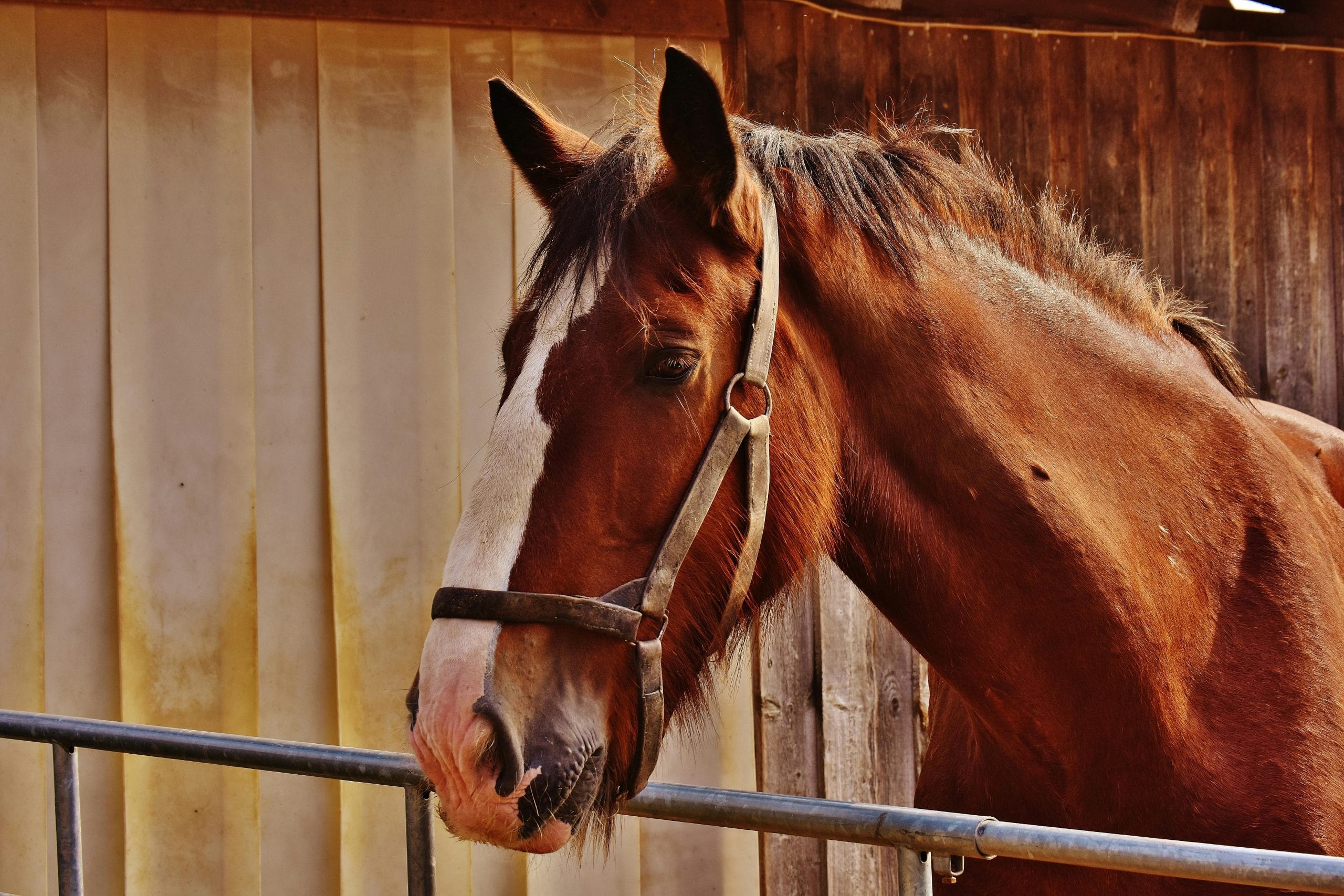
You do not need deep pockets or a free weekend to keep a riding center running. A wish-list item, a shared post, an afternoon at a fundraiser — here are the many ways to help, big and small.

You do not need to know a thing about horses to be useful at a riding center. You need patience, a steady presence, and a willingness to learn — the rest is taught. Here is what volunteers actually do.

Behind nearly every riding center is a web of nonprofits — some write the rules, some train the instructors, some run the barns. Here is who does what across the US and Canada.
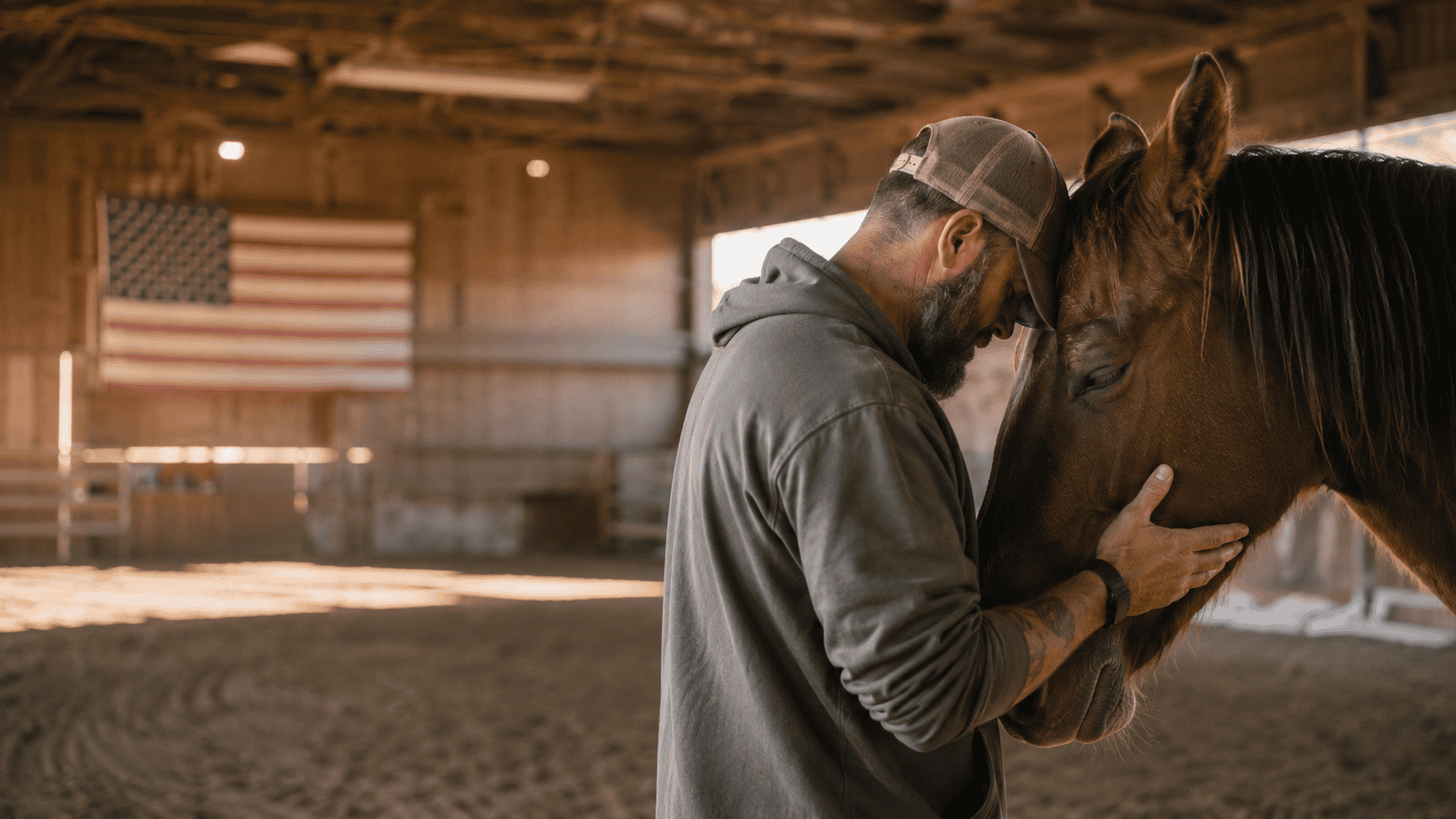
After 9/11, one Las Vegas family opened their ranch to give free horse rides to military and first-responder kids. Two decades on, Horses4Heroes has welcomed more than 10,000 riders.
If a Canadian riding centre calls itself accredited, one national charity stands behind that word. Since 1980, CanTRA has set the standards, trained the instructors, and vouched for the programs.
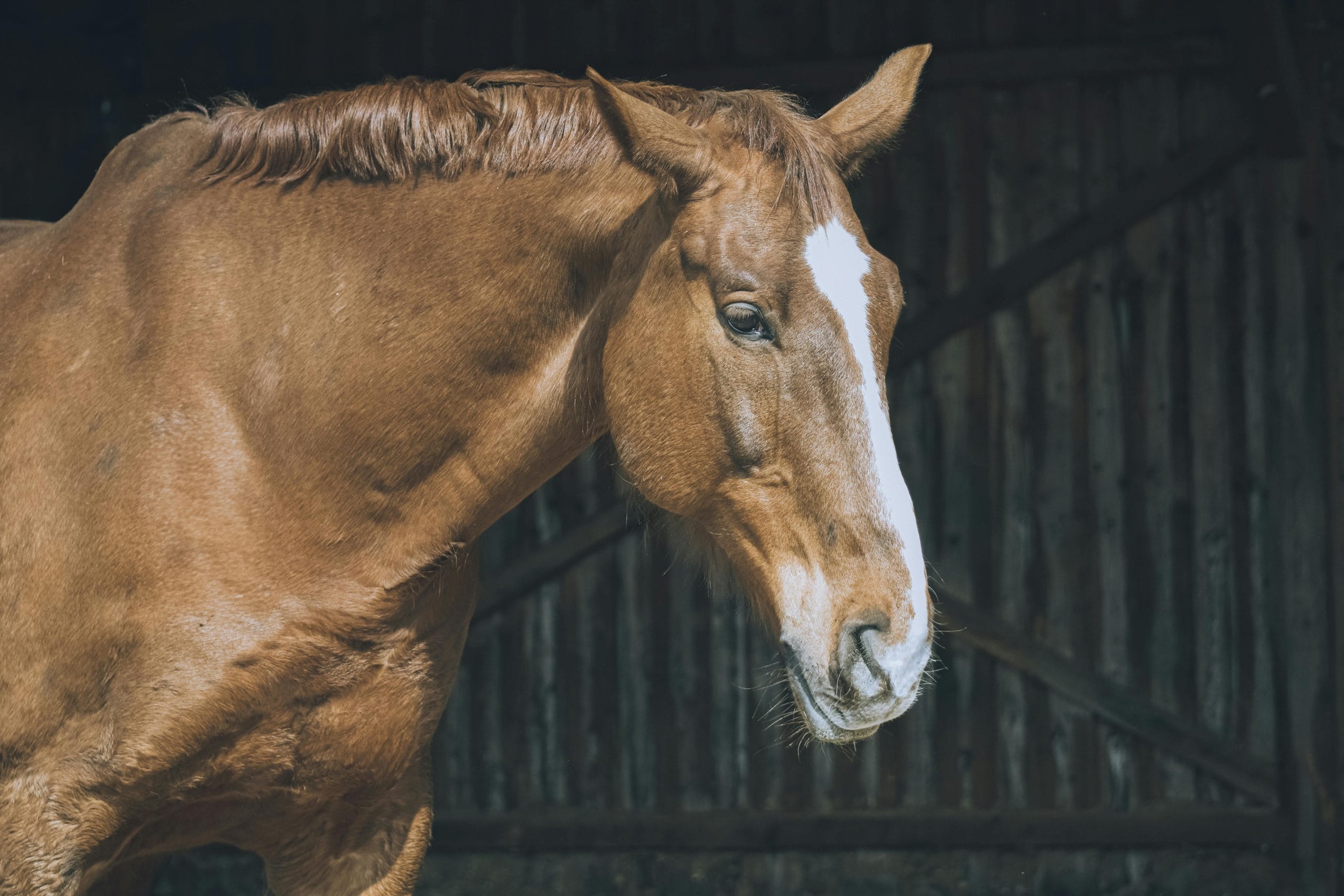
When you see “PATH Intl. Premier Accredited Center” on a listing, it isn’t marketing — it points to a specific set of standards, a site visit, and a credential that’s now the only one of its kind in the equine world.
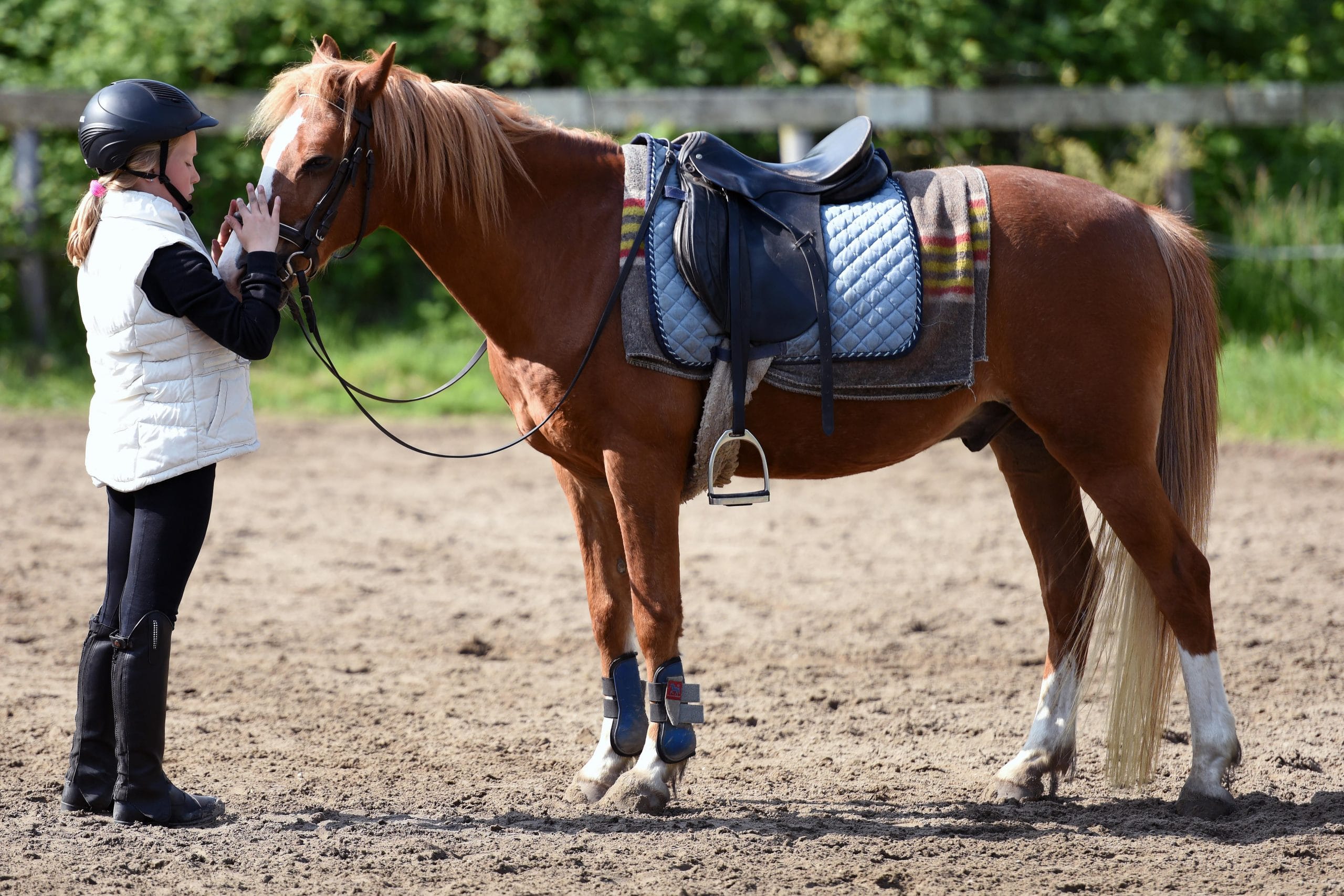
One of the country’s first equine-therapy centers sits on twelve quiet acres south of San Francisco, where for more than fifty years NCEFT has paired licensed therapists with horses.
Behind the word “hippotherapy” sits a small nonprofit that quietly shaped how American clinicians are trained to bring horses into therapy. Here is what the AHA actually does.