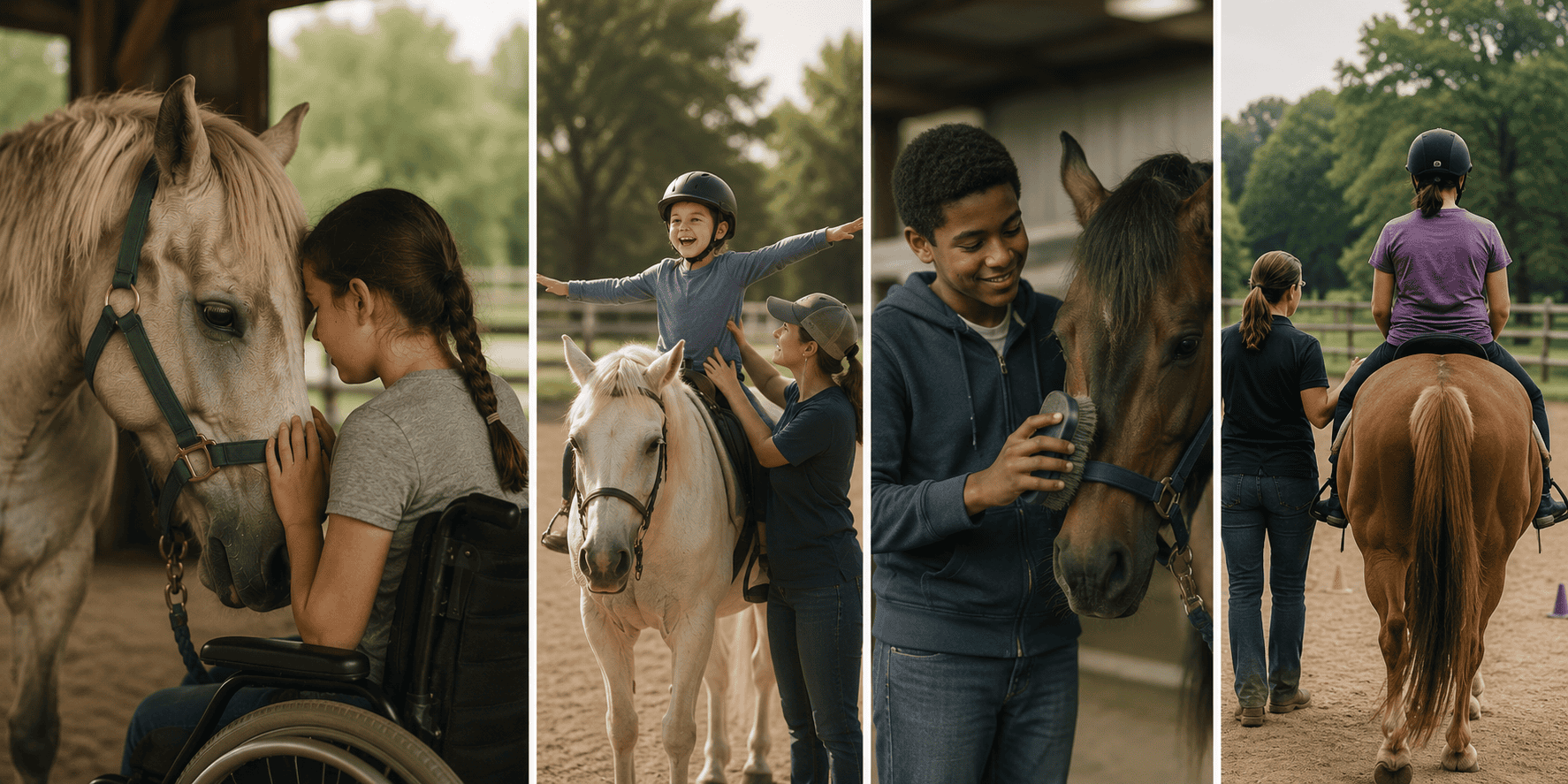
Types of Equine-Assisted Activities Explained
Not every horse program means climbing into a saddle. From adaptive riding to ground-based learning to hands-on horsemanship, here are the main ways to spend time with horses — and how to find your fit.
 Marcus Hale
Not every horse program means climbing into a saddle. From adaptive riding to ground-based learning to hands-on horsemanship, here are the main ways to spend time with horses — and how to find your fit.
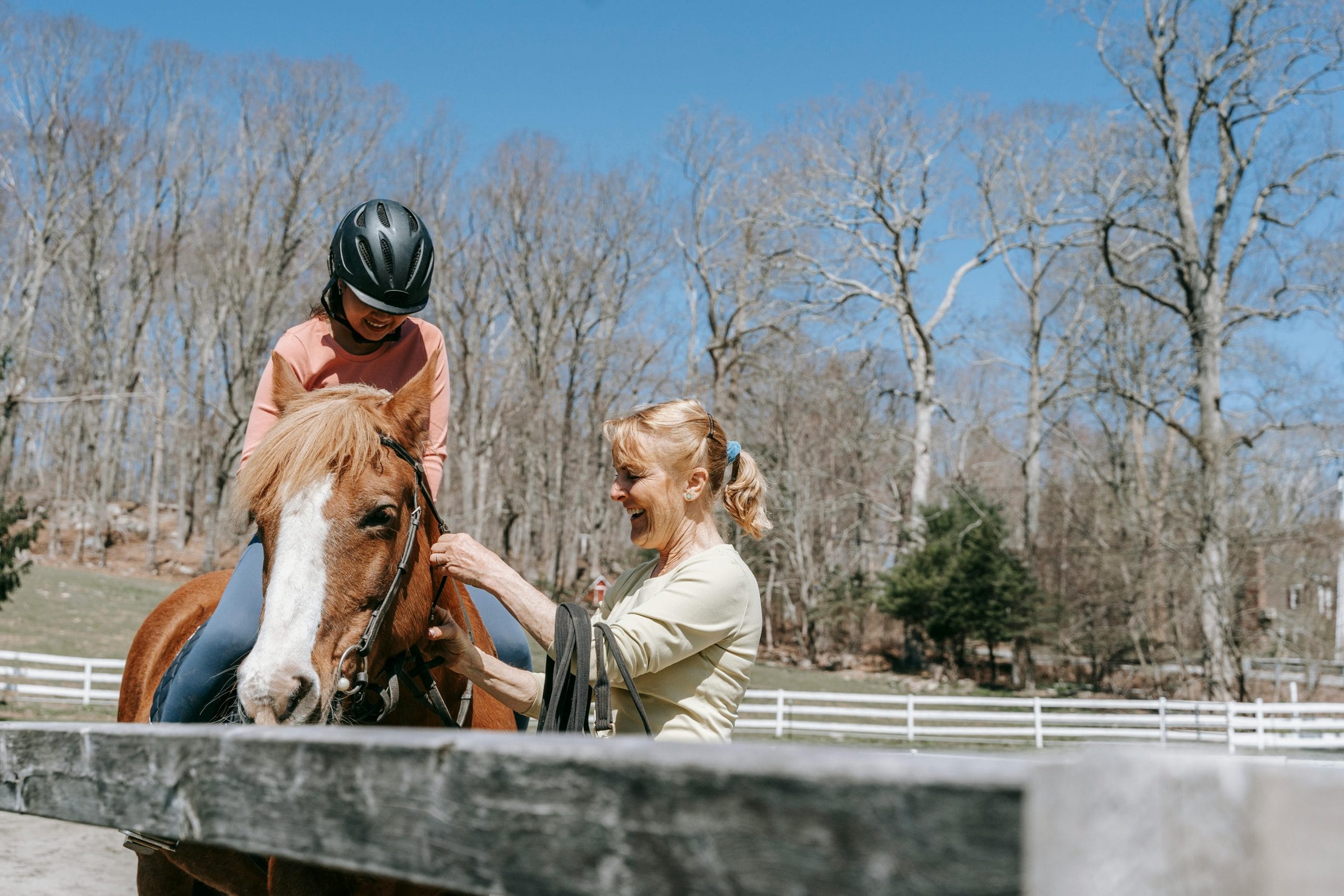
The first visit can feel like stepping into a different rhythm — slower, quieter, unfamiliar. Here is exactly how a riding session unfolds, from the moment you arrive to the last pat goodbye.
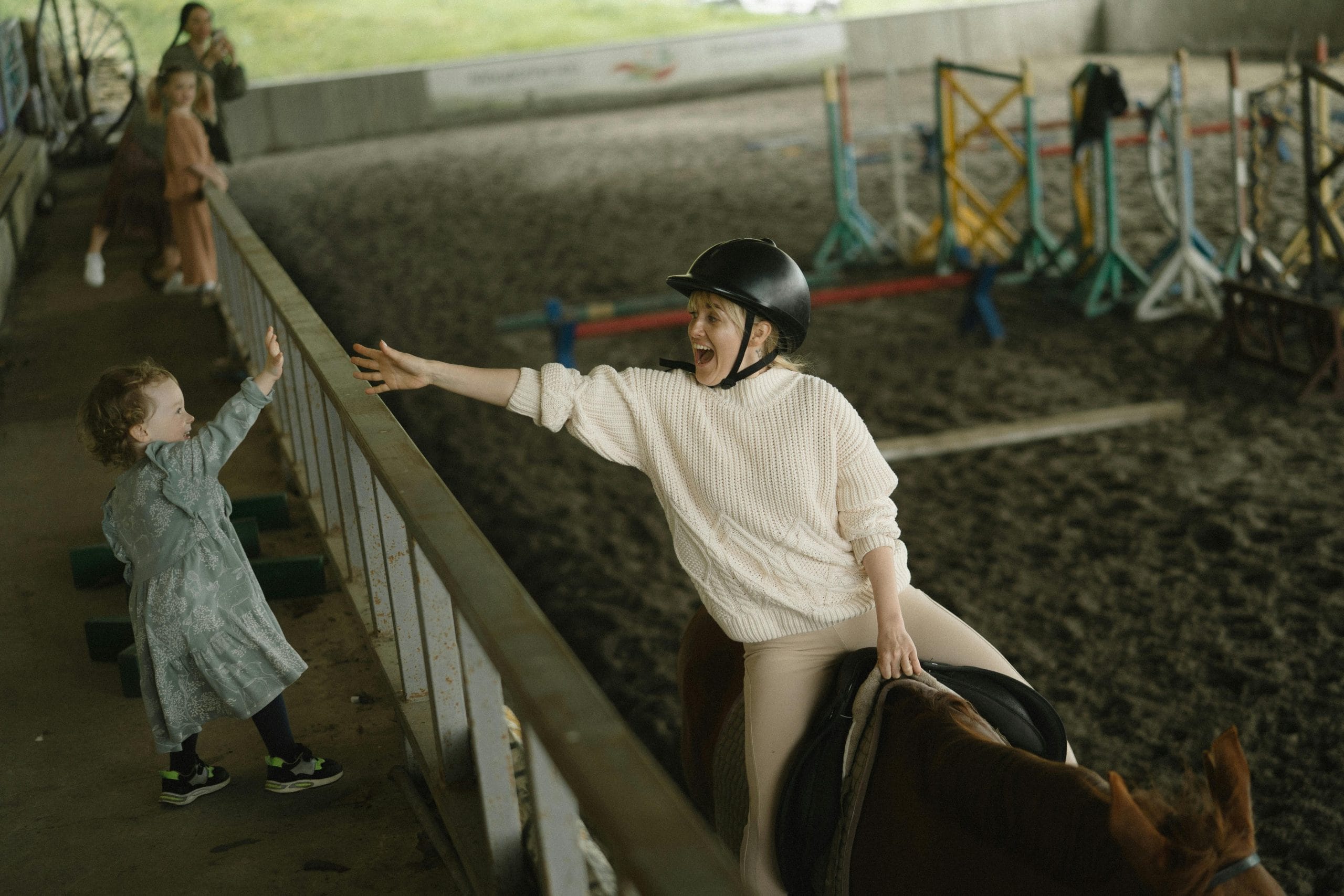
The calm you see in the arena is the work of a whole team — licensed therapists, instructors, horse handlers, and volunteers. Here is who does what, and why each role matters for a safe session.
Hippotherapy, adaptive riding, EAL, EFP — the labels blur together, and not all of them mean what people think. Here is what each program type actually is, and who runs it.
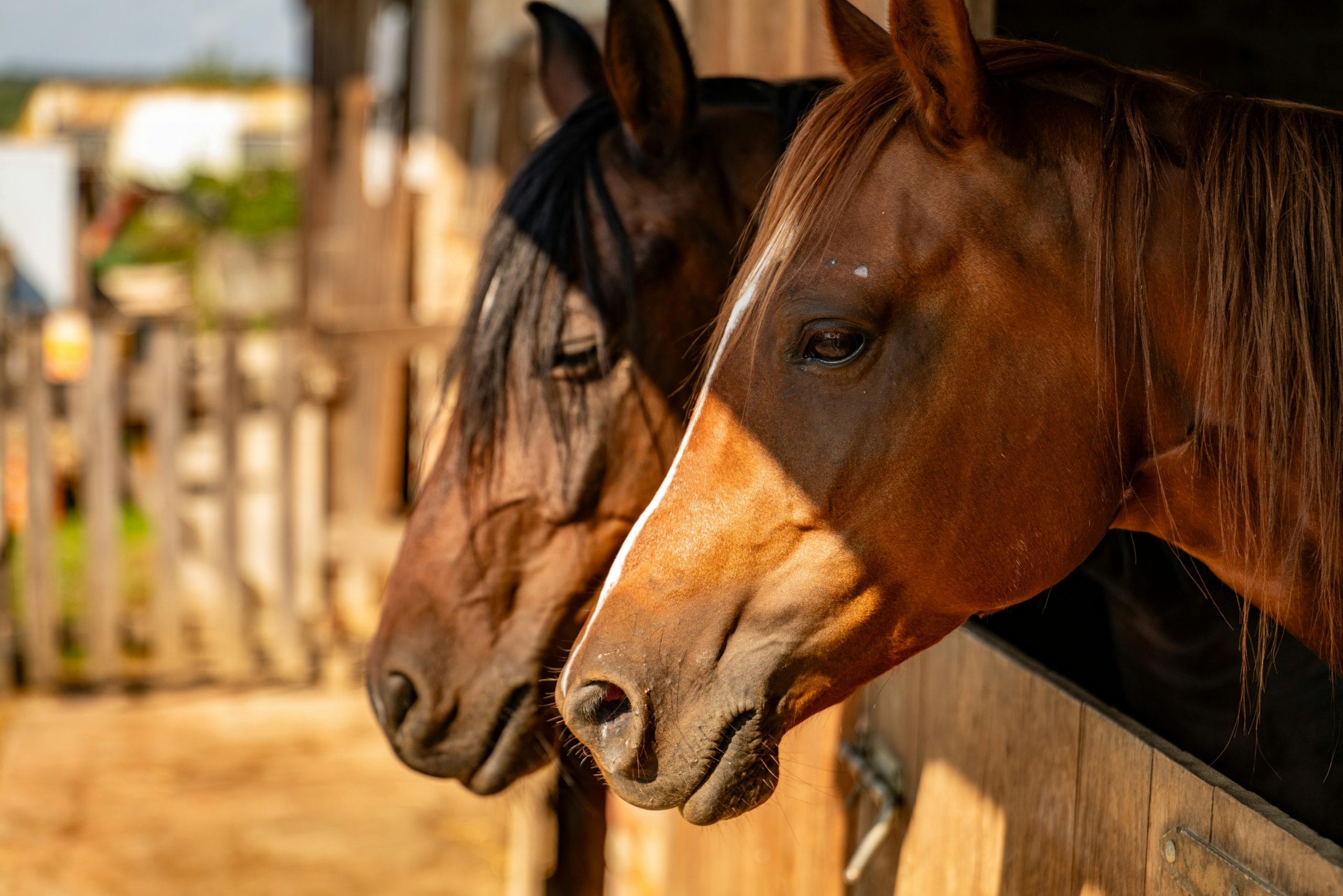
A horse will not pretend. Sit taller and it softens; tense up and it waits. That honest, judgment-free response is what helps people find confidence they did not know they had.
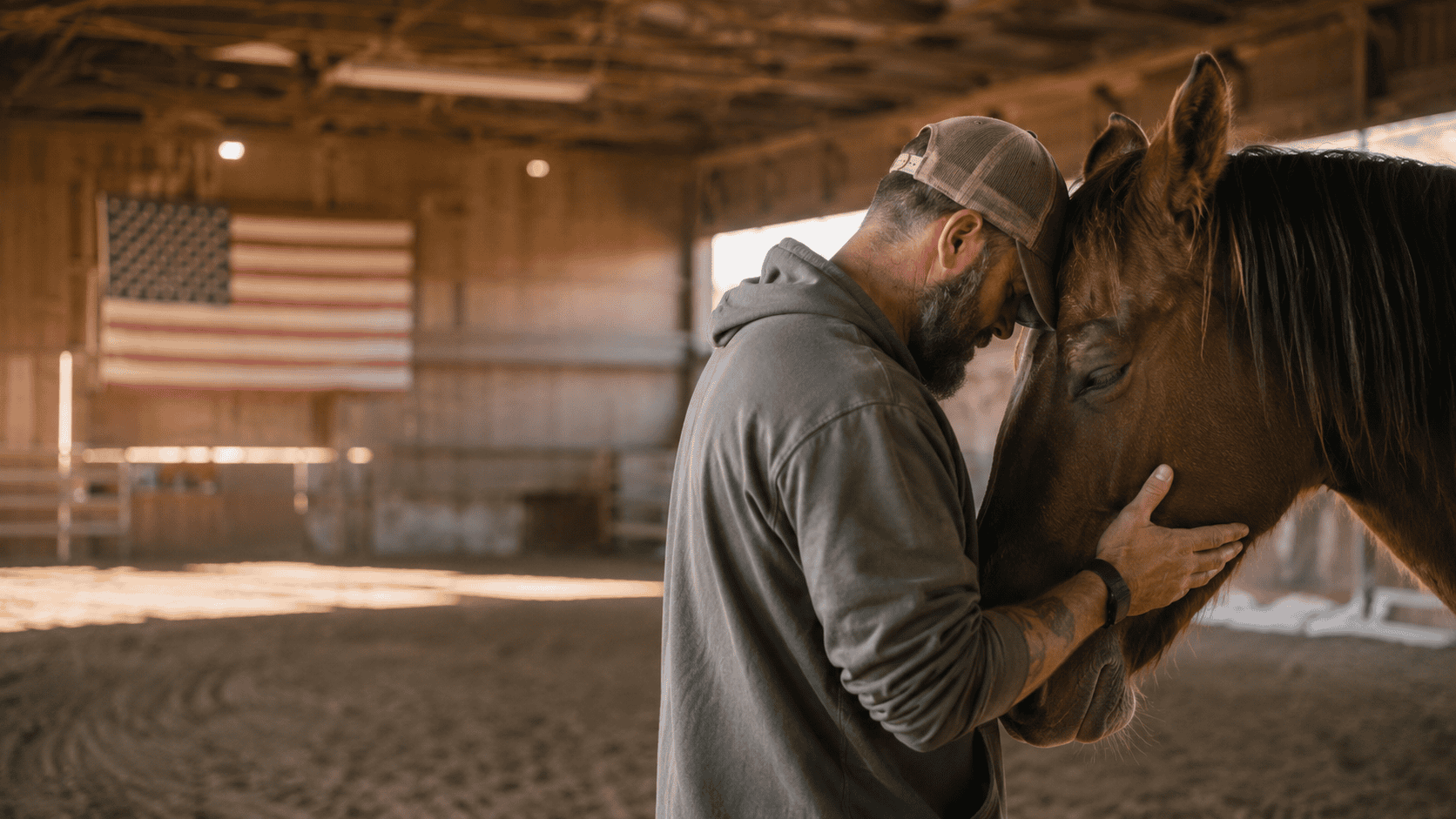
After 9/11, one Las Vegas family opened their ranch to give free horse rides to military and first-responder kids. Two decades on, Horses4Heroes has welcomed more than 10,000 riders.
In the clinic it is balance practice. On a horse, it is a turn taken sitting tall while reaching for a target. For many children with special needs, that shift is what makes the work stick.