
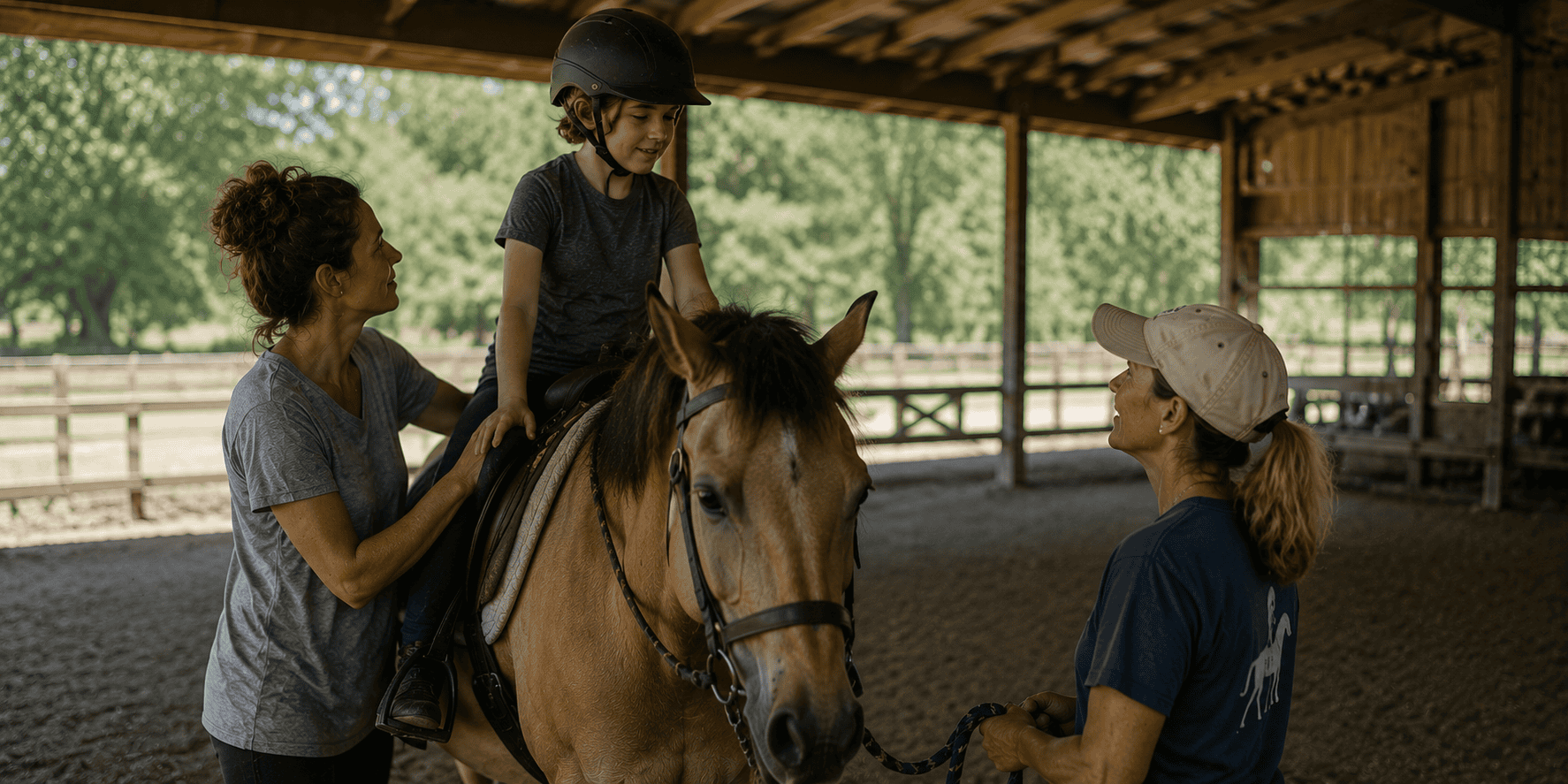
An accreditation badge is a useful shortcut, not a guarantee. Here is what PATH accreditation actually certifies, how to find and verify it, and why it is only the start of choosing well.
Getting Started is where to begin if you’re new to equine therapy or equine-assisted services. These plain-language guides explain how programs work, what to expect in a session, how horses support learning and development, and how to choose a safe, appropriate program.
5 guides, most recently updated first
Search 959 centers across the US and Canada.
Getting Started is where to begin if you’re new to equine therapy or equine-assisted services. These plain-language guides explain how programs work, what to expect in a session, how horses support learning and development, and how to choose a safe, appropriate program.
An accreditation badge is a useful shortcut, not a guarantee. Here is what PATH accreditation actually certifies, how to find and verify it, and why it is only the start of choosing well.
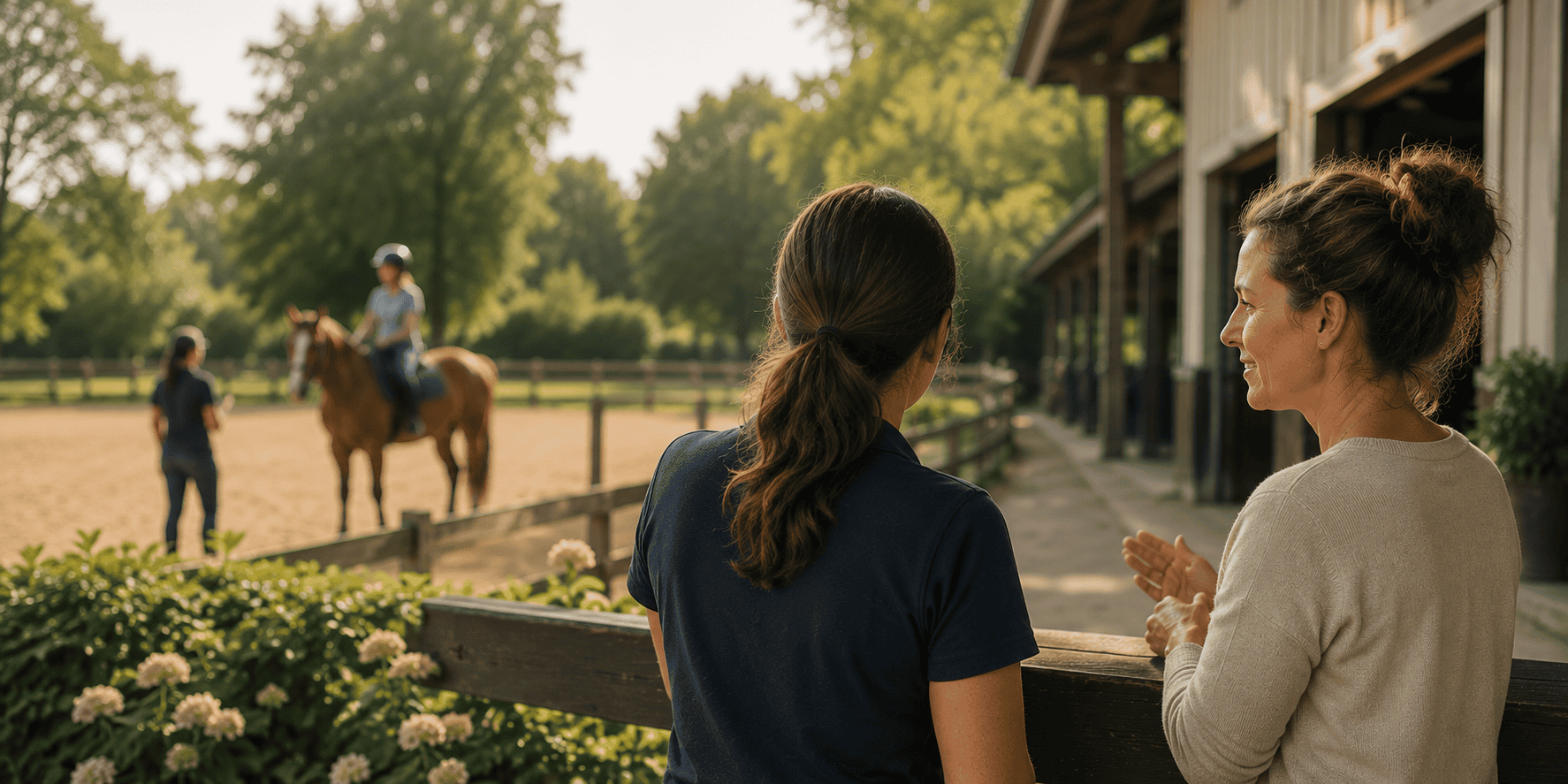
The horses are the easy part to judge. The real signal is everything around them — how staff communicate, how sessions are paced, and how the place feels. Here is what to look for, and what to ask.
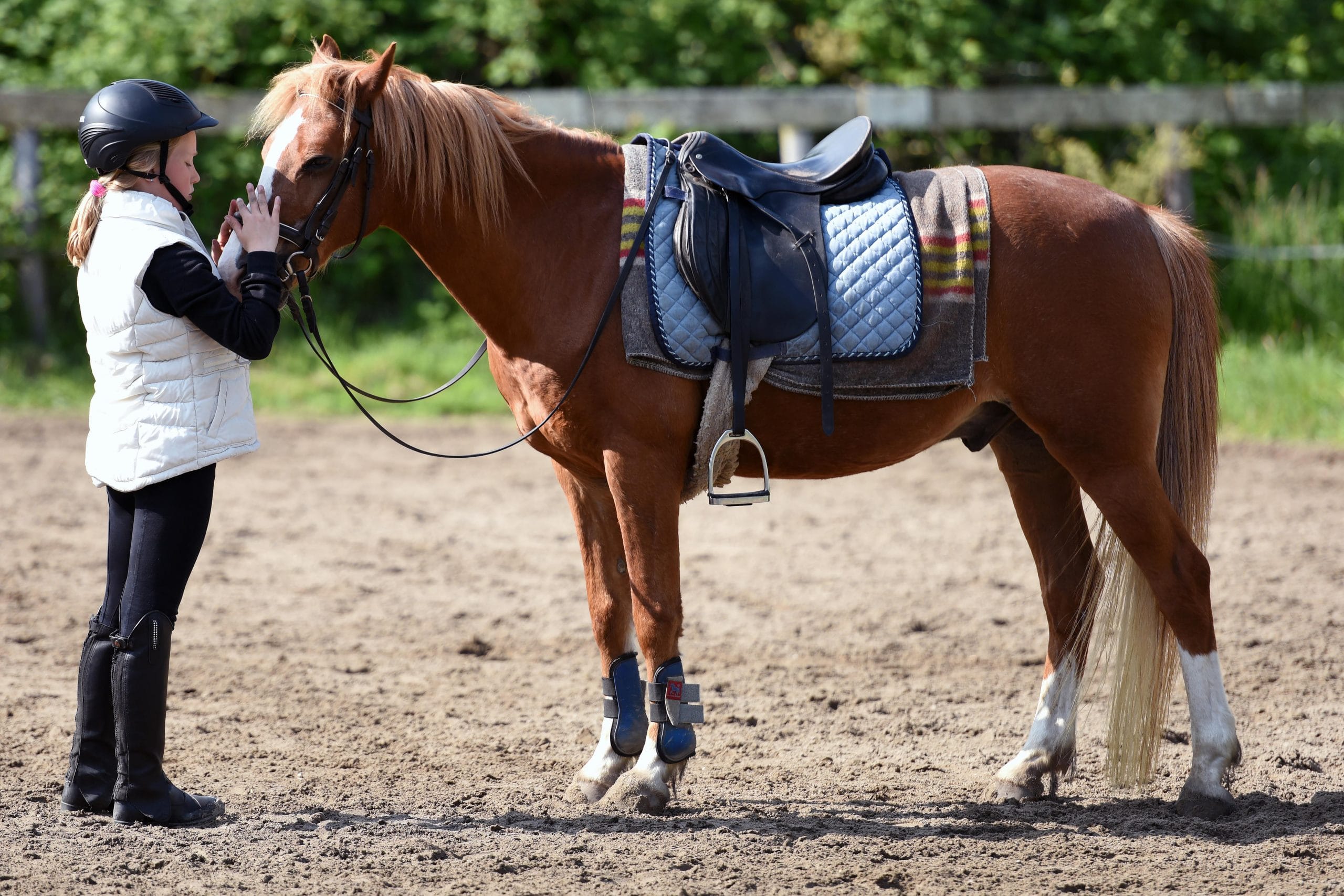
Good programs never push. They add one small challenge at a time — a faster step, a tighter turn, a single ground pole — only when both rider and horse are ready. Here is how it works.
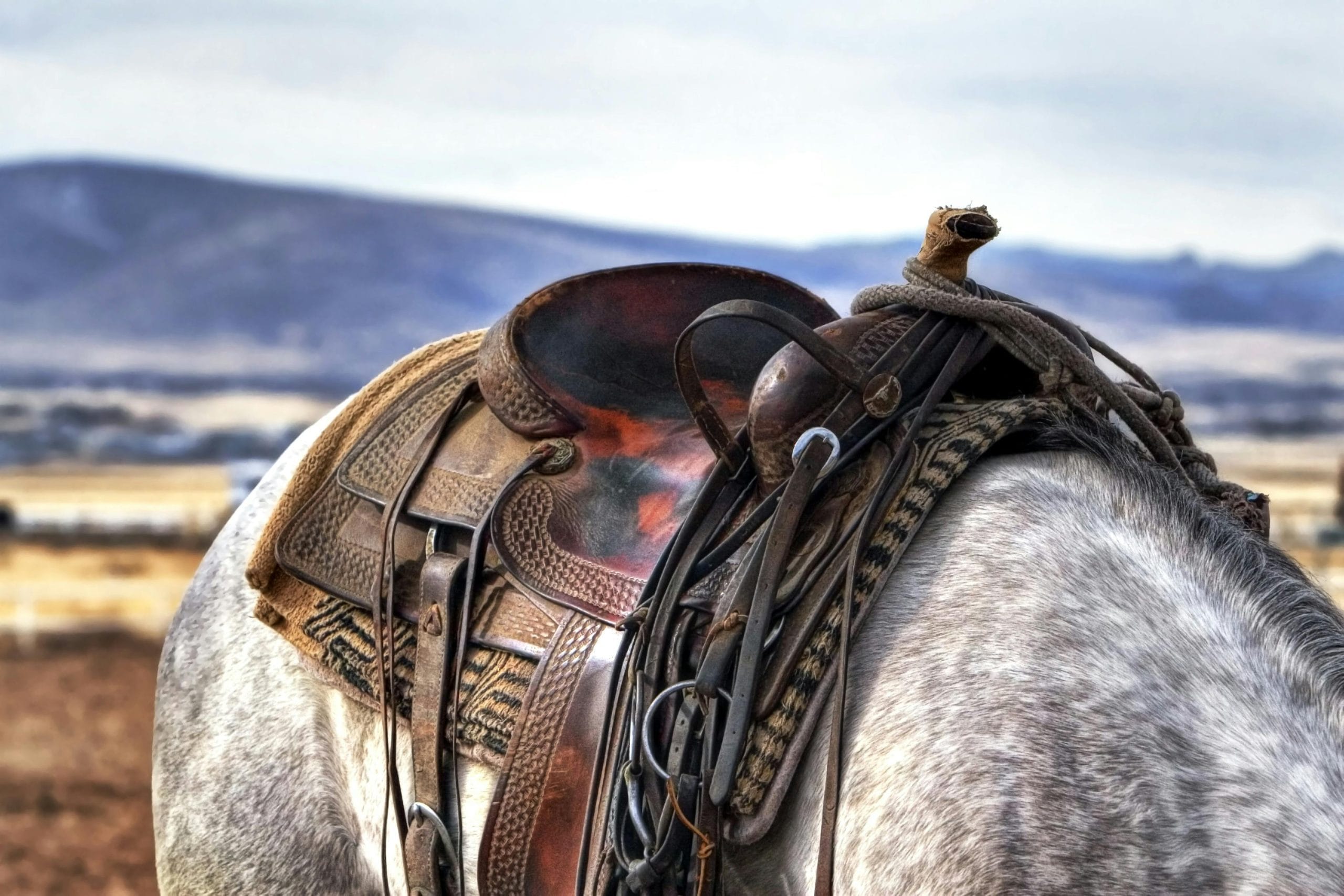
The best adaptive gear does its job and then disappears. Here is what each piece — from mounting ramps to loop reins to safety stirrups — actually does, and why good programs use as little of it as possible.
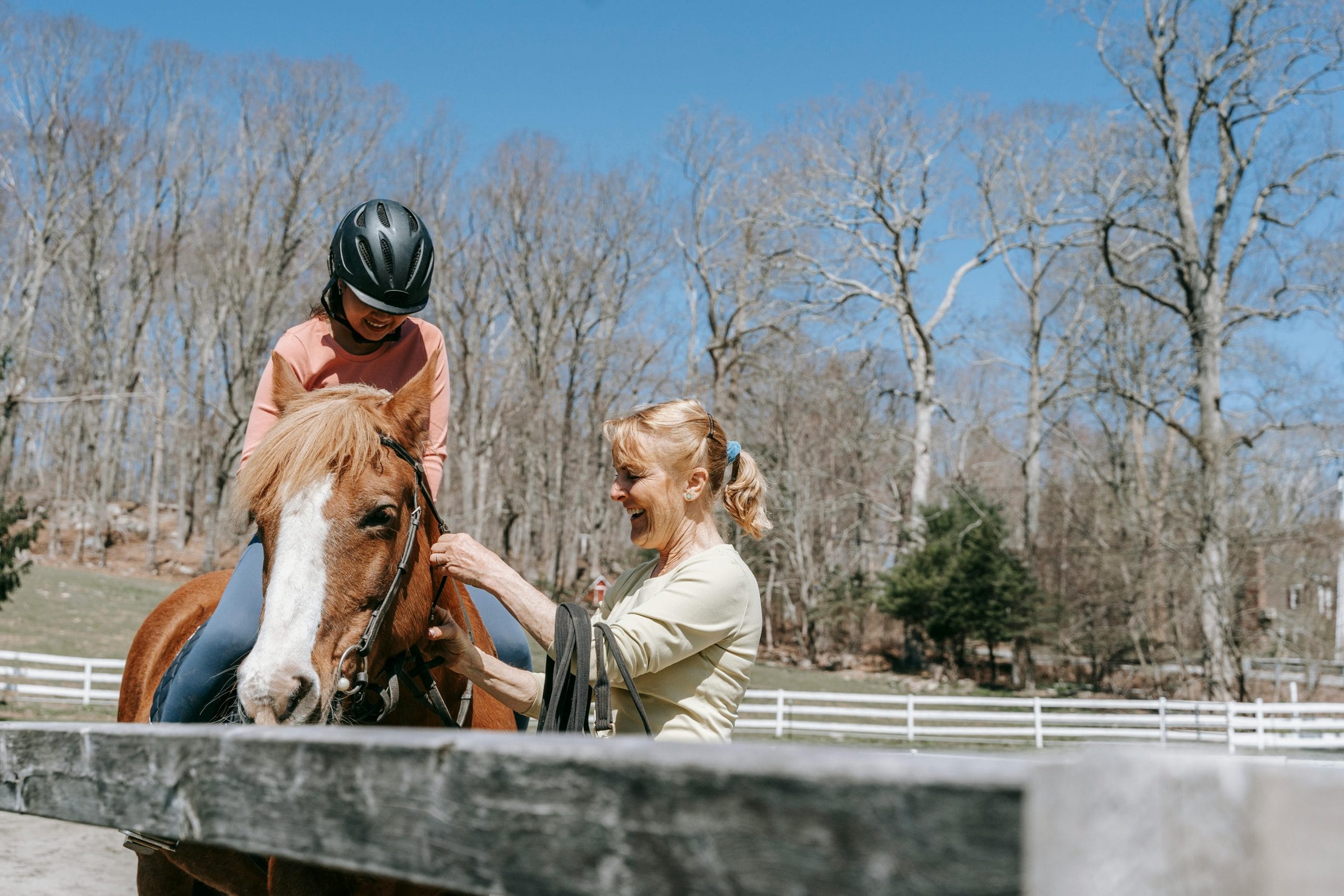
The first visit can feel like stepping into a different rhythm — slower, quieter, unfamiliar. Here is exactly how a riding session unfolds, from the moment you arrive to the last pat goodbye.