

The honest answer is “sometimes” — and it usually comes down to a billing code, not a horse. Here’s what insurers actually cover, and how to give a claim its best shot.
The Equine Therapy Costs category brings together articles that help families, caregivers, and participants understand the financial side of equine-assisted services. Here you will find practical information about session pricing, program fees, insurance coverage, scholarships, grants, nonprofit funding, and other ways to make services more affordable.
7 guides, most recently updated first
Search 959 centers across the US and Canada.
The Equine Therapy Costs category brings together articles that help families, caregivers, and participants understand the financial side of equine-assisted services. Here you will find practical information about session pricing, program fees, insurance coverage, scholarships, grants, nonprofit funding, and other ways to make services more affordable.
The honest answer is “sometimes” — and it usually comes down to a billing code, not a horse. Here’s what insurers actually cover, and how to give a claim its best shot.

Both lower the cost of equine therapy, but they come from different places and move at different speeds. Knowing which to ask for first can save you weeks — and get you into a program sooner.
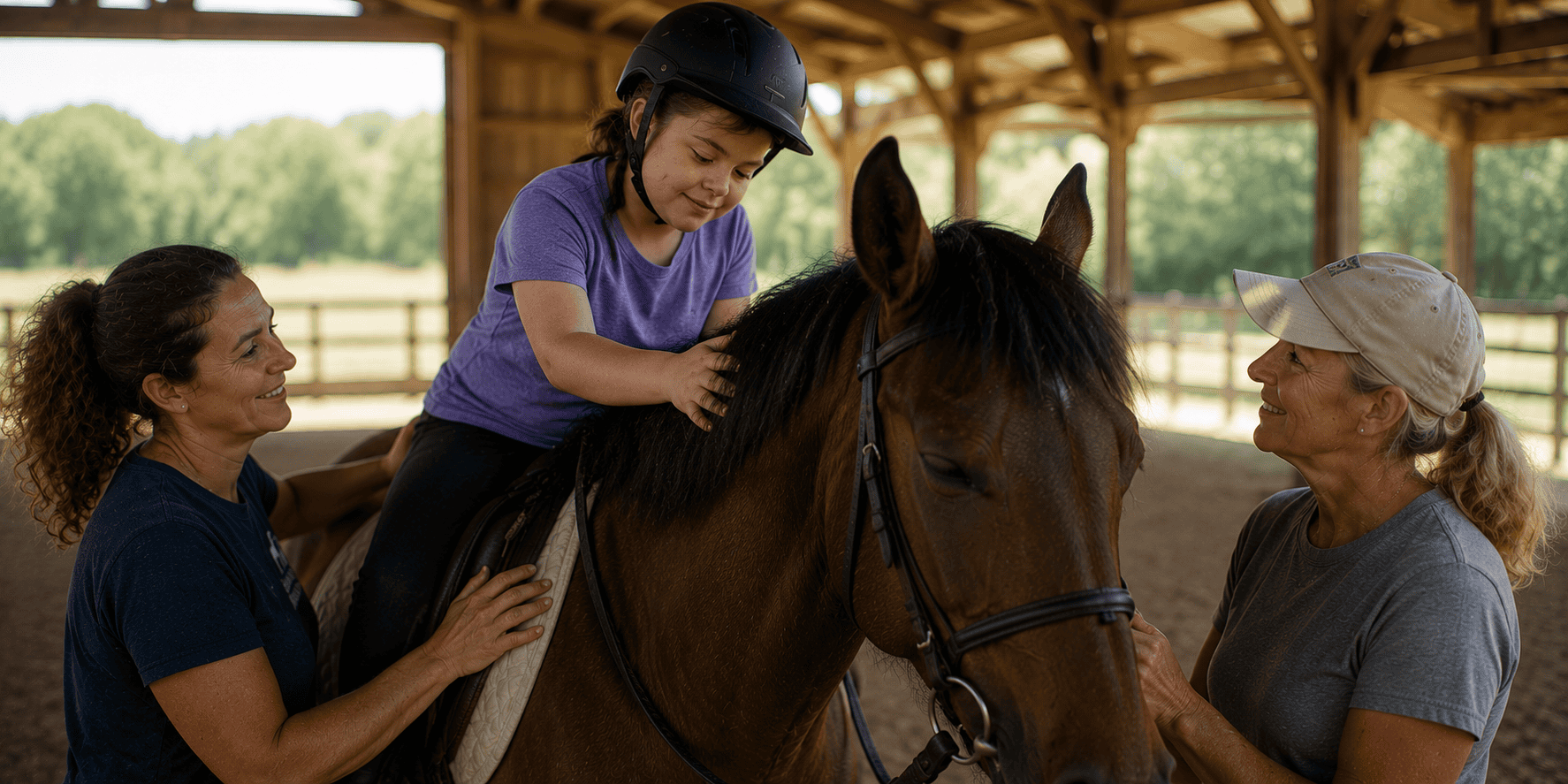
The fastest funding help is usually closer than families think: the center itself. Many barns quietly hold donor-funded scholarship money they never advertise. Here is how to find it, and what to ask.

There is rarely one grant that covers it all. Most families fund equine therapy by stacking pieces — a partial scholarship, a local donation, a small grant. Here is where the money comes from.
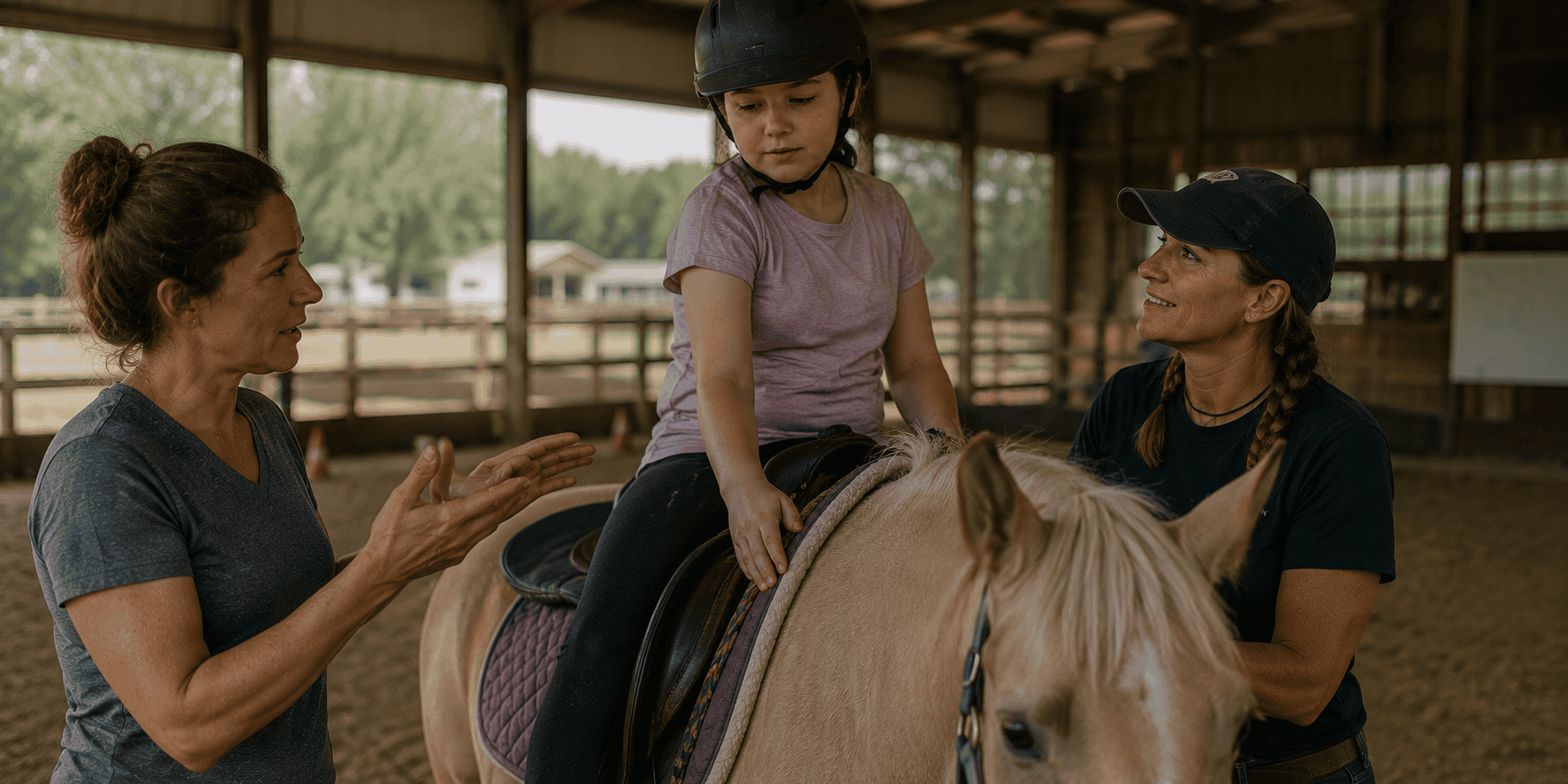
The honest answer is “sometimes” — and a covered session versus a surprise bill usually comes down to one thing families don’t realize.
Insurance does not cover “equine therapy” — but it may cover the licensed therapist using the horse. Knowing that difference is the key to coverage, and to every funding option families piece together.

A session can run anywhere from $40 to $250, and the gap is not random. Here is what actually drives the price of equine therapy, and how families bring it down.