
Who Does What in Equine-Assisted Programs: Roles, Training, and Teamwork
Learn who does what in equine-assisted programs — therapists, instructors, facilitators, volunteers, and horse specialists working together for safe sessions.

Learn who does what in equine-assisted programs — therapists, instructors, facilitators, volunteers, and horse specialists working together for safe sessions.

A simple guide to major equine-assisted program types — including adaptive riding, hippotherapy, EAL and EFP — and how each fits into the equine-assisted field.

Explore how to decide if equine-assisted activities are a good personal fit by reviewing goals, comfort level, program style, and supportive riding centers.

Browse a glossary of equine assisted activities terms, with clear definitions to help you understand programs, roles, and common terminology.
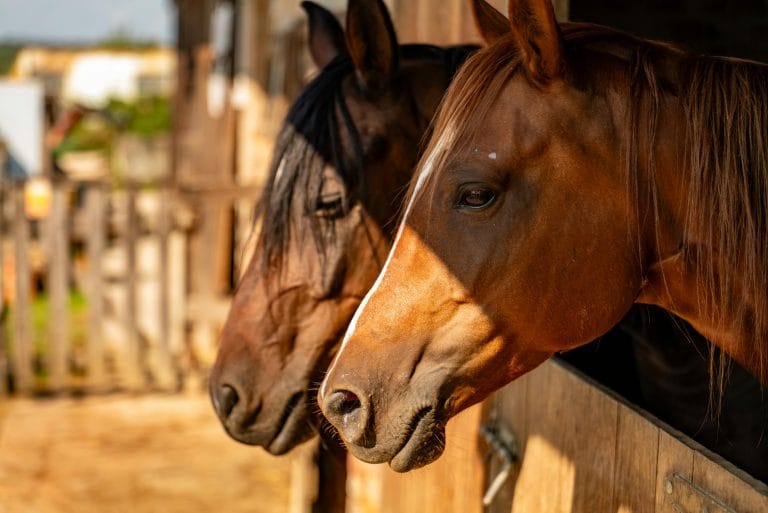
Learn how horses help build skills and confidence through equine assisted activities that support learning, communication, and emotional growth.

Learn what equestrian therapy is, how it works, and how equine assisted programs support physical, emotional, and developmental goals.
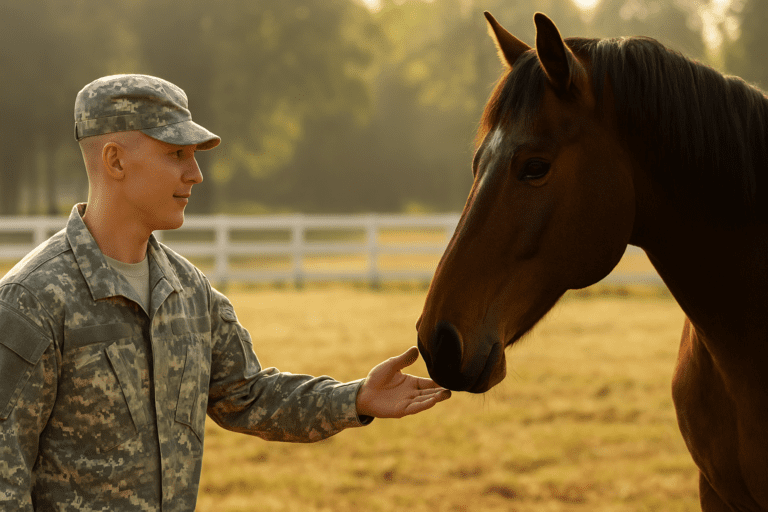
Learn about Horses4Heroes, an equine assisted program supporting veterans, first responders, and families through horsemanship and riding activities.
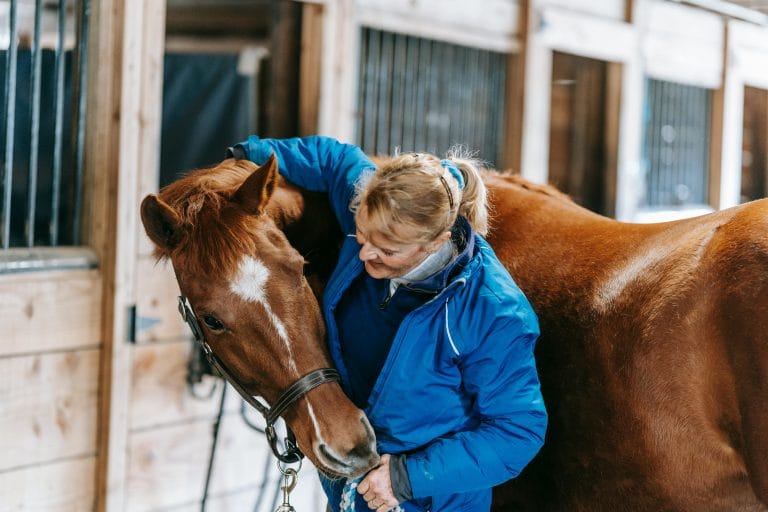
What is CanTRA? Canada’s therapeutic riding body sets standards, certifies instructors, and accredits centres to ensure safe, credible programs.
Learn about PATH International, its history, standards, certifications, and role in supporting equine-assisted activity programs across North America.
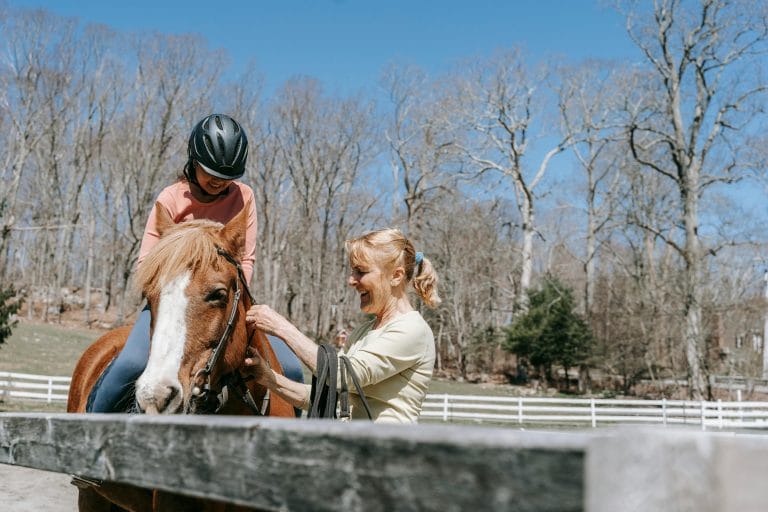
Learn how hippotherapy supports children with special needs, including how sessions work and how movement-based therapy may support development.
Explore the history of animal-assisted activities, from early “moral treatment” to today’s structured, welfare-focused programs.