Who It Helps
Equine Therapy for Special Needs: Benefits and Program Types
Horses do not care about labels. For children and adults with disabilities, a barn can become a place to build balance, focus, and confidence, one steady session at a time.
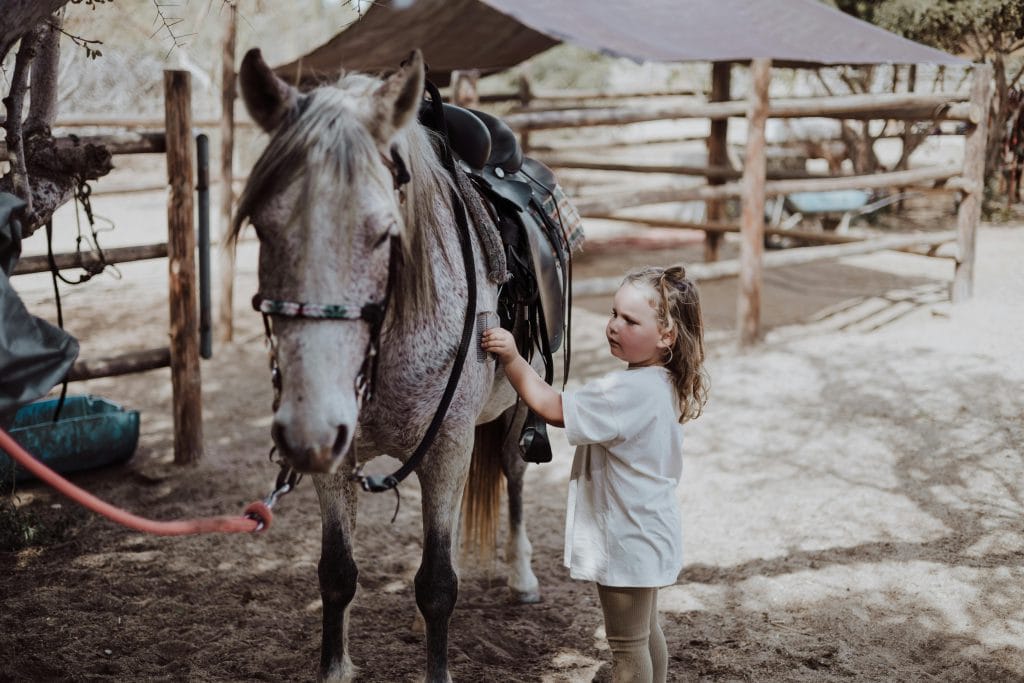
Equine therapy for special needs covers a range of structured, horse-centered programs that help children and adults build balance, coordination, communication, and confidence. Depending on the goal, that work might take the form of therapeutic riding, clinical hippotherapy, equine-assisted learning, or simple groundwork from the ground up.
The right program depends far more on the individual than on any diagnosis. This guide explains what the different program types are, what a session tends to involve, and how to find a setting that fits a person’s needs and comfort level.
A note on language: This guide uses “special needs” because it is the phrase many families search for, while recognizing that many people prefer “disability” or “disabled” — our sister site Spectrum Parents has a parent-friendly explainer on what neurodiversity means. In a good program, what matters is not the label but how thoughtfully it supports the person taking part.
What “Special Needs” Means Here
The term is used broadly. In the context of equine programs, it can include developmental differences such as autism, physical disabilities such as cerebral palsy, cognitive or learning differences, and sensory or behavioral challenges.
Because each person’s needs are different, equine programs are typically adapted rather than standardized. A well-run program focuses less on the category and more on how to support safe, meaningful participation for the individual in front of it.
Why Families and Individuals Explore Equine Therapy
A barn offers a different kind of environment from a clinic or classroom. The mix of movement, routine, outdoor space, and a living animal creates an experience that is both structured and genuinely engaging, which can make it feel more approachable for someone who finds traditional settings difficult.
Part of what makes it work is feedback. Horses respond to movement and consistency, so a participant can see and feel the results of their own focus and effort right away. This does not replace other services, but it can complement them by turning skill-building into something hands-on and motivating.
Benefits Participants Often Describe
Equine programs are not clinical unless a licensed professional leads them, so outcomes vary with the person, the program, and the level of participation. That said, families and participants commonly describe gains over time in balance and coordination, core strength and posture, focus and attention, communication and following directions, and overall confidence and independence. The steady rhythm of regular sessions is often valued as much as any single skill.
These are observations rather than guarantees, and they tend to build gradually. Where specific functional goals are involved, a licensed therapist is the right person to set and measure them.
Types of Equine Therapy Programs
“Equine therapy” is an umbrella term covering several different program types. Knowing how they differ makes it much easier to choose the right fit.
Therapeutic Riding
Therapeutic riding is one of the most common options. Led by certified instructors, often following standards from organizations such as PATH International, it teaches riding skills in a structured, supportive setting. Sessions may include patterns, games, and exercises that build balance, coordination, and confidence.
Hippotherapy
Hippotherapy is a clinical approach delivered by licensed physical, occupational, or speech-language therapists. Here the horse’s movement becomes one tool within a treatment plan, used to work toward specific goals related to movement, posture, or communication rather than to teach riding.
Equine-Assisted Learning
Equine-assisted learning focuses on life skills such as communication, problem-solving, and emotional awareness. These programs are usually non-clinical and often center on groundwork rather than riding.
Groundwork and Unmounted Programs
Some programs stay entirely on the ground. Grooming, leading, and simple task-based exercises can offer a structured, lower-pressure entry point, which is especially useful for someone new to horses or not yet ready to ride.
What a Session Typically Looks Like
Most programs follow a consistent structure, which helps participants know what is coming. A session often opens with greeting the horse and a bit of setup, such as grooming, to settle in and build focus.
The main portion might involve riding, leading, or guided exercises, with the instructor adjusting each step to the participant’s comfort and ability. A rider might practice steering the horse through a simple pattern, or holding steady posture while the horse walks, noticing how small changes in movement or attention change how the horse responds. Sessions usually close with the same calming routine each time.
Who These Programs Are For
Equine programs support a wide range of participants — children, teens, and adults with varying support needs — and tend to suit people who do well with structured, hands-on activity, who respond to routine and consistency, or who are simply drawn to working with animals outdoors. Most programs do not require any prior experience with horses.
What to Look for in a Program
Choosing the right program matters as much as choosing the activity. Worth weighing:
- staff qualifications and experience, and whether the program is clinical or non-clinical
- safety practices and the level of participant support
- horse temperament and care
- facility accessibility and overall environment
A well-run program should be able to explain clearly what it offers and how it supports the people who take part.
Guides for Specific Needs
Some programs are built around particular populations or goals. These guides go deeper on how equine therapy is structured for specific situations:
- Equine Therapy for Autism
- Equine Therapy for Cerebral Palsy
- Equine Therapy for Anxiety
- Equine Therapy for PTSD
- Equine Therapy for Children
- Equine Therapy for Teens
Final Thoughts
Equine therapy for special needs offers a structured, engaging environment built around movement, interaction, and routine. Programs differ widely, but many give participants a real chance to build confidence, develop skills, and take part in meaningful activity.
The most important step is matching the program to the individual’s needs and comfort level. When that fit is right, the experience tends to feel both accessible and worthwhile. To start looking, you can browse centers by state in our directory.