

SUMMARY
Some barns offer inclusive equine-assisted programs designed so that children on the autism spectrum can participate comfortably in routines, activities, and interactions with horses. These programs vary widely, but many emphasize structure, clarity, and calm environments that help families feel at ease.
Equine-assisted programs come in many forms, from adaptive riding lessons to ground-based activities that introduce horsemanship skills. Although each center has its own style and approach, many families appreciate the predictable rhythm, hands-on involvement, and sense of connection that a barn environment can provide. This article offers a general, non-clinical look at how inclusive equine programs are structured and what they commonly emphasize.
How Inclusive Equine Programs Are Framed
Inclusive equine programs are designed to welcome a range of participants, including children on the autism spectrum, into barn routines and activities. The focus is on creating a environment where expectations are clear, steps are manageable, and horses are handled thoughtfully.
Because every child and every barn is different, programs tend to prioritize flexibility within a steady overall structure. This might mean adjusting activities, pacing, or group size while keeping session rhythm and safety practices consistent.
Inclusive Approaches Used in Equine Programs
Programs that welcome autistic participants often adapt activities to create steady routines and clear expectations. This can include using visual previews of the day’s steps, keeping transitions simple, and offering familiar start-and-finish rituals.
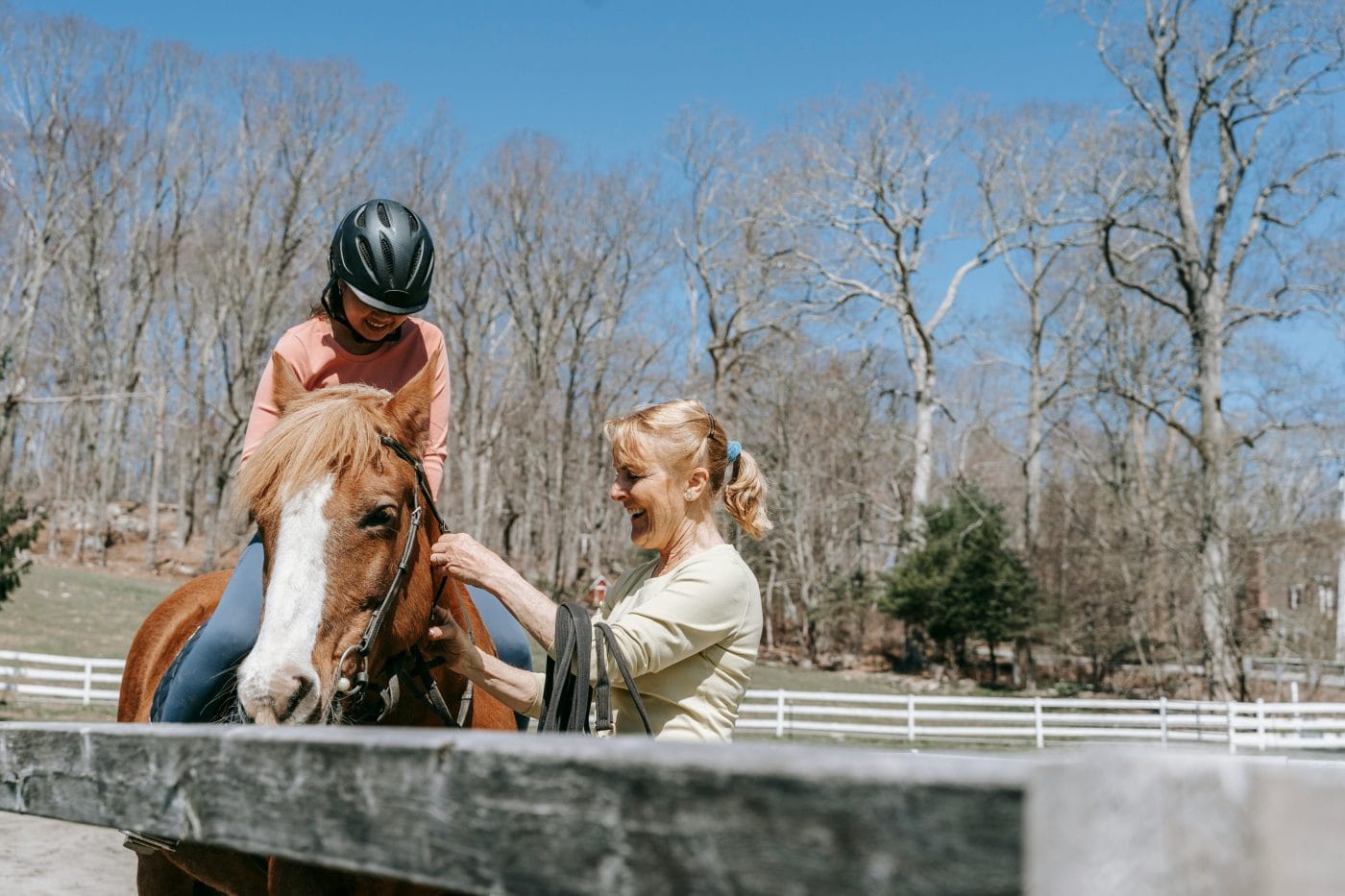
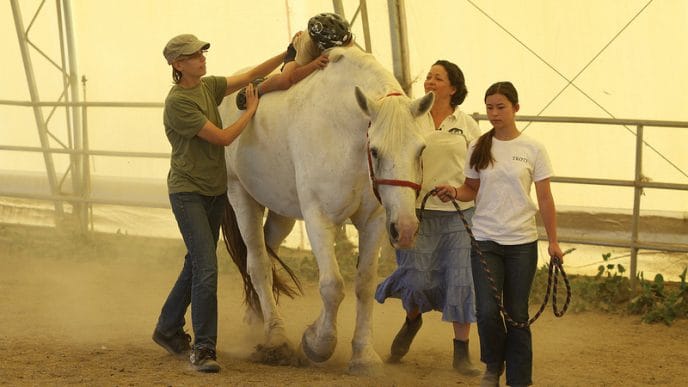
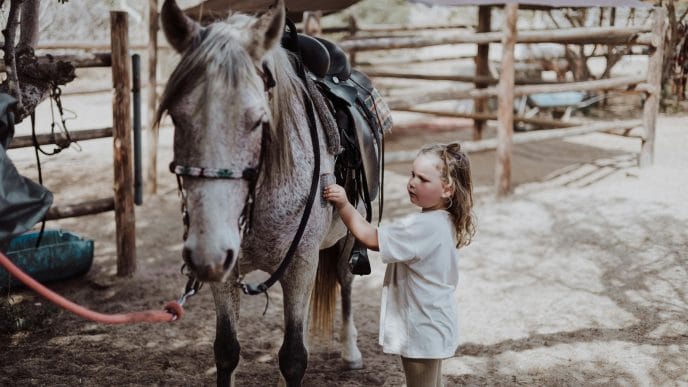
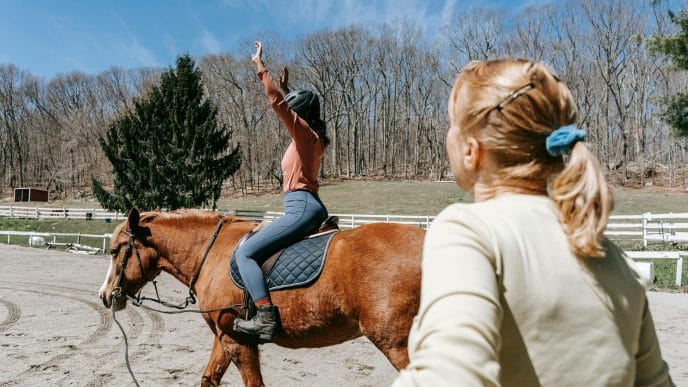
Activities may be mounted or unmounted depending on the program. Grooming a horse, leading at a walk, observing behavior, or participating in basic barn tasks are common unmounted options. Adaptive riding lessons focus on introducing horsemanship skills in ways that are paced and predictable. The overarching aim is participation and engagement within a structured environment.
Clarity and Routine
Clarity and routine are central features of many inclusive barns. Programs often break sessions into repeatable steps so children know what to expect from week to week.
For example, a session may begin with a short hello routine, followed by a simple task such as leading through a set path or grooming in a particular order. These routines help the child anticipate what happens next without surprises. Visual aids, short verbal cues, or step-by-step demonstrations are often built into the flow of the session.
Instructors typically adjust how they give directions to make them clear and consistent, and they check in regularly to confirm comfort and understanding.
Movement and Hands-On Participation
Hands-on tasks with horses are a core part of many programs. Children might brush a horse, lead along a rail, walk through cones, or ride in a guided lesson, depending on the program’s scope and the family’s preferences.
These activities are chosen because they are easy to understand and allow the child to follow predictable steps. The barn setting itself often provides opportunities to observe patterns, anticipate sequences, and participate in repeatable routines that give sessions a steady shape.
Community, Roles, and Collaboration
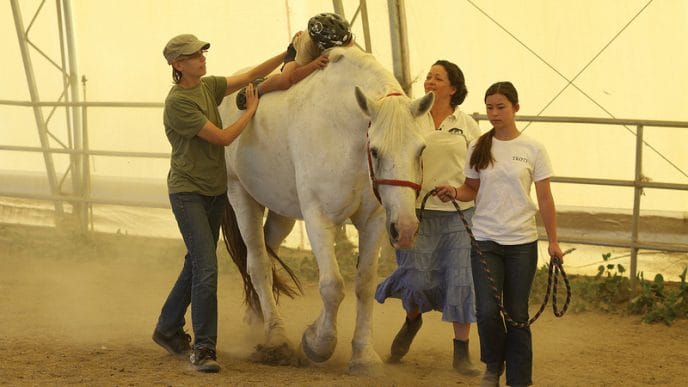
Inclusive barns often operate with a strong sense of community. Instructors, volunteers, and staff contribute to a predictable environment where children greet familiar faces, take part in shared responsibilities, and participate in closing routines that give sessions a sense of completion.
Programs may collaborate informally with families or schools to maintain consistency in language or routines. This coordination is usually focused on helping the child feel supported across settings, rather than on clinical goals.
A Typical Session Flow
Although every center is unique, many sessions follow a simple pattern that helps reduce uncertainty.
Arrival
Sessions often start with a familiar greeting or a short preview of what the session will include. This might involve looking at a simple schedule, saying hello to the horse, or reviewing one focus activity.
Activity
The main portion of the session includes mounted or unmounted participation based on the program’s structure. Examples include grooming in a set sequence, leading a horse through a designated path, or riding a basic pattern with guidance. Staff adjust steps and pacing to match attention and comfort levels.
Wrap-up
Sessions usually end with a closing routine such as thanking helpers, brushing the horse one last time, or naming something the child enjoyed that day. This helps signal that the session is complete and creates a familiar sense of closure.
A Small Scene
Short moments can illustrate how these programs feel in practice. During an unmounted activity, a child and a volunteer walk side by side while a small pony follows on a loose lead. The child pauses at a cone, glances back, and lightly raises their hand the way they practiced. The pony stops. They continue together, repeating the same clear sequence.
Simple patterns like this help give the session structure and can leave the child with a clear, concrete sense of having completed a task with the horse.
Conclusion
Inclusive equine-assisted programs offer a structured, hands-on experience that many families appreciate. Each barn chooses its own approach, but routines, clear steps, and calm interaction with horses are common threads.
By focusing on predictability, gentle participation, and supportive environments, these programs create space for children to engage at a comfortable pace and enjoy time around horses.

I would like to learn more about helping kids with autism.
Please let me know what I can do to use my horse in a program.