

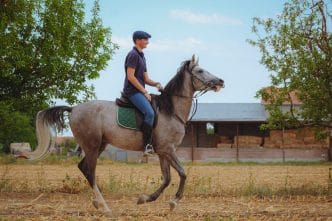
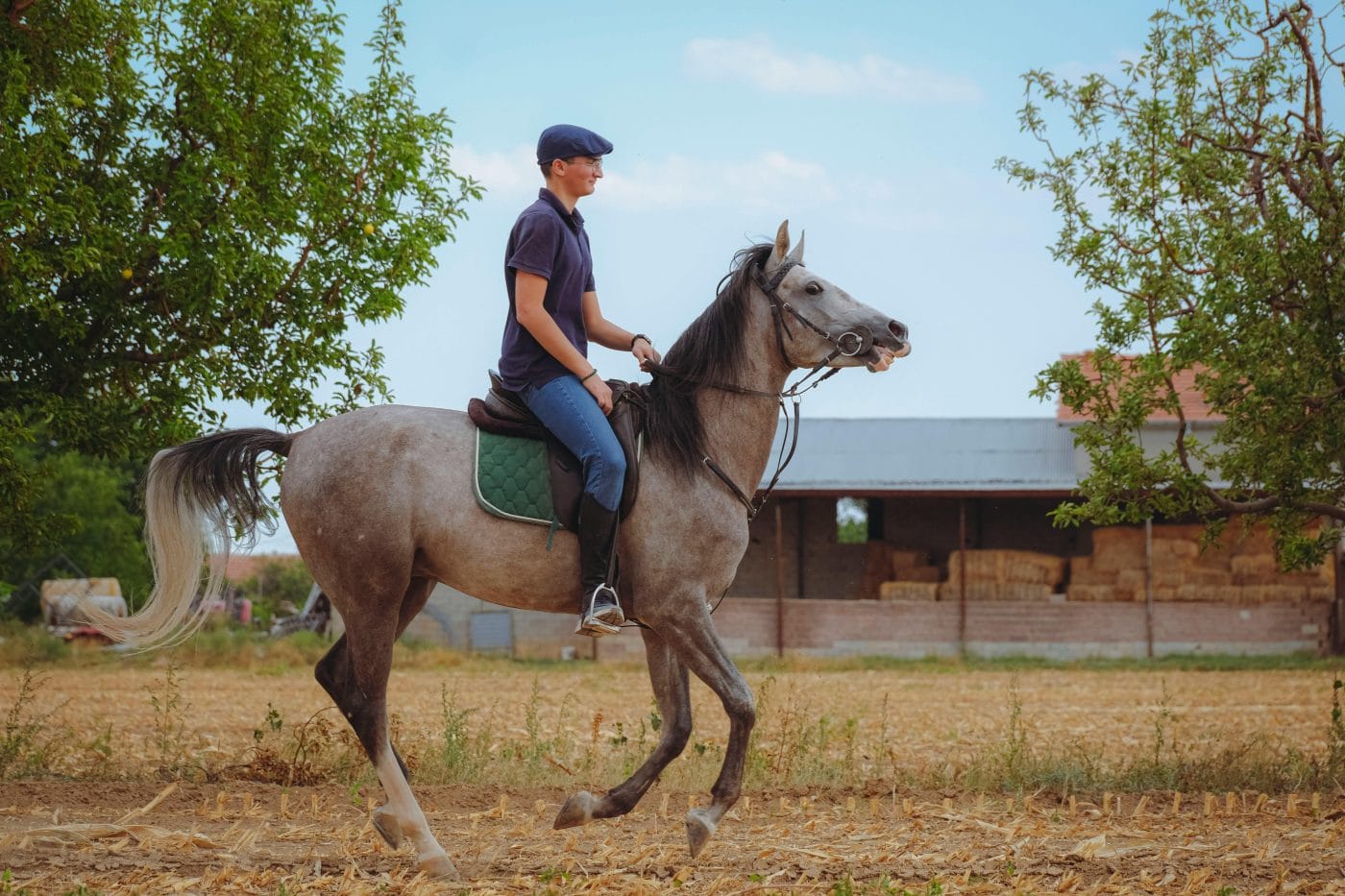
SUMMARY: Therapeutic (adaptive) riding is structured, accessible riding instruction designed for people with disabilities and diverse learning needs. With thoughtful adaptations and a horse-first approach, riders build balance, coordination, communication, confidence, and community in a setting that emphasizes safety, inclusion, and personal growth.
What Therapeutic Riding Is — And How It Differs from Clinical Therapy
Therapeutic riding, often called adaptive riding, is an educational, skill-building approach that teaches riders to communicate with and ride a horse using techniques tailored to their abilities. Lessons focus on riding skills—steering, transitions, posture, and body control—while incorporating adaptations that support access and learning.
Although therapeutic riding often produces meaningful physical, cognitive, and emotional gains, it is not clinical therapy. When a rider needs physical therapy, occupational therapy, speech-language therapy, or mental health services, those occur separately under licensed clinicians. Many barns collaborate with clinical providers, but the riding lesson itself remains instructional.
At its core, therapeutic riding gives riders the chance to learn the same foundations as any equestrian—maintaining balance, giving clear cues, understanding horse behavior—at a pace that builds competence and independence.
Physical Benefits: Moving with the Horse
One of the most unique qualities of a horse is the rhythmic, three-dimensional motion of its walk. As the horse moves, the rider’s pelvis and trunk respond naturally to maintain alignment. Over repeated lessons, that steady challenge helps strengthen functional skills.
Many riders build:
- Core and postural stability, especially during transitions or steering
- Balance and symmetry, as patterns encourage left–right awareness
- Motor coordination, as riders sequence reins, legs, and visual focus
Families and instructors often see these improvements appear in everyday life: a stronger sit at a classroom desk, more stable walking on uneven ground, or increased endurance for play, work, or chores.
Cognitive and Sensory Benefits: Focus, Sequencing, and Regulation
Riding invites attention without forcing it. The rider must notice where the horse is moving, plan upcoming turns, and respond to changing patterns—cognitive demands that build working memory and adaptability.
Therapeutic riding also supports sensory processing. The movement of the horse provides predictable vestibular and proprioceptive input, while grooming, tacking, and barn routines offer opportunities for graded tactile and auditory experiences. Because the activities are purposeful and engaging, repetition feels natural rather than clinical.
Emotional and Social Benefits: Confidence and Connection
Learning to communicate clearly with a large, sensitive animal strengthens a rider’s sense of agency. Small, consistent wins—asking for a smooth halt, completing a pattern, or posting at the trot—build confidence that feels earned and realistic.
The barn environment reinforces these gains. Riders, volunteers, instructors, and families form a community where:
- Effort is recognized
- Independence is supported
- Inclusion is standard practice
- Responsibility is shared
Many riders thrive on the structure and expectations: showing up on time, preparing equipment, greeting the horse, and participating in routines that feel meaningful.
Participation, Identity, and Quality of Life
Therapeutic riding is more than an adapted sport. For many, it becomes a source of belonging and identity. Riders set goals — learning to canter, completing an independent pattern, participating in a show — and celebrate each step toward those milestones.
Because success is defined by participation and growth, not comparison, therapeutic riding offers a space where riders of all abilities can experience competence, pride, and joy.
What a Lesson Typically Looks Like
Lessons usually follow a calm, predictable structure that helps riders stay focused and comfortable.
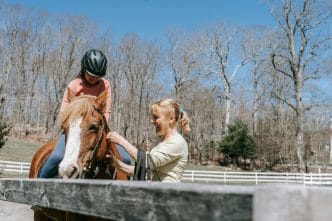
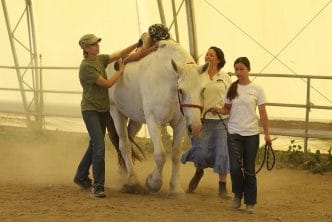
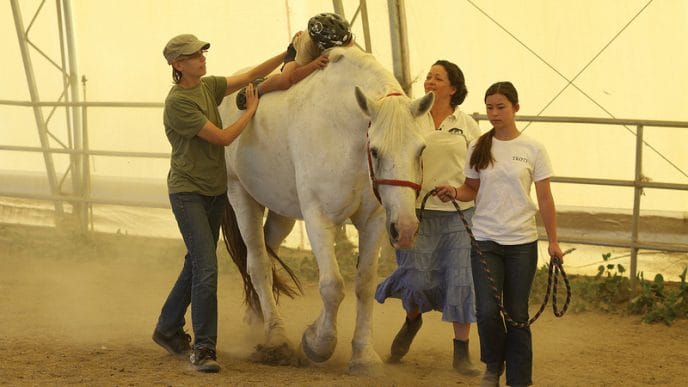
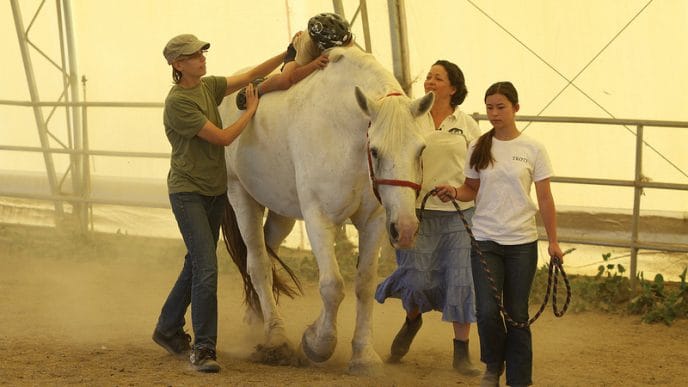
Arrival and preparation include greeting the horse, reviewing goals, and checking equipment. Mounting may involve a ramp, block, or lift, with sidewalkers added when needed.
During the ride, the instructor adapts exercises to the rider’s needs — large circles, transitions at markers, figure-eights, obstacle paths, or quiet walk-work to build alignment and breath control. Tasks gradually increase in complexity as skills grow.
Cool-down and reflection close the lesson with stretching, quiet walking, or simple grooming, followed by a short debrief about what went well and what to practice next time.
The combination of structure and variety keeps sessions safe, engaging, and purposeful.
Accessibility by Design
High-quality therapeutic riding programs adjust the environment without removing challenge. Adaptations may include:
- Visual schedules or color-coded reins
- Adaptive saddles, surcingles, or trunk support systems
- Quiet lesson times for riders who prefer low sensory input
- Clear, consistent teaching language
- Sidewalkers or spotters when needed for stability
The goal is always the same: support where necessary, independence where possible, dignity everywhere.
Safety, Horse Welfare, and Professional Standards
Safety is central to therapeutic riding — for riders and horses alike. Reputable programs maintain:
- Certified therapeutic riding instructors
- Well-trained, carefully selected horses suited to adaptive work
- Fitted helmets, proper footwear, and safe tack
- Mounting ramps or lifts for accessible transitions
- Clear emergency and weather protocols
- Horse-welfare policies including rest schedules, behavior monitoring, and the ability for horses to “say no”
A comfortable, well-supported horse provides the clearest feedback and the safest experience for riders.
Tracking Progress (Without Turning Lessons into Therapy)
While therapeutic riding is not clinical care, instructors still monitor growth. Progress often appears as:
- Greater independence with mounting
- Straighter lines and more accurate steering
- Smoother transitions
- Reduced prompting
- Improved posture or balance during tasks
Families frequently notice “off-horse” changes too — better morning routines, increased responsibility, or improved communication at home and school.
Who Benefits — and When Riding Isn’t the Right Fit
Therapeutic riding is suitable for many children, teens, and adults with:
- Autism
- Down syndrome
- Cerebral palsy
- Learning differences
- ADHD
- Anxiety or low confidence
- Coordination or balance challenges
Programs screen for medical and behavioral considerations such as spinal stability, hip health, seizure risk, bone fragility, and safety around animals. When mounted work isn’t appropriate, many barns offer groundwork, unmounted horsemanship, or carriage driving as meaningful alternatives.
Choosing a Quality Program
A strong program is easy to recognize. When you visit, notice:
- Calm, well-conditioned horses
- Clean, safe equipment
- Clear instruction delivered with patience
- Predictable routines
- Respectful pacing
Ask about instructor credentials, progress tracking, available adaptations, and how the program communicates with families or clinicians. Clear answers are part of safety.
A Short Vignette
A young rider who once needed two sidewalkers begins a simple pattern independently for the first time. At the final marker, they breathe, close their fingers on the reins, and the horse halts square. The grin arrives before the words. It’s a small moment, but one earned through weeks of steady effort—and a reminder of how skill and confidence grow together in the arena.
Conclusion
Therapeutic riding offers a rare balance: an accessible sport that still asks for real skill. Riders build stability, coordination, focus, communication, and confidence through meaningful interaction with a responsive partner.
With thoughtful adaptations, qualified instructors, and a commitment to horse welfare, those gains extend far beyond the arena — to classrooms, workplaces, communities, and daily life.






How can I find out about volunteer opportunities?