SUMMARY
Many barns across the country offer equine-assisted programs created specifically with veterans in mind. These programs are not uniform — each center approaches the work differently — but they often share similar qualities: steady routines, clear communication, a calm pace, and opportunities to participate in hands-on activities with horses. This article offers a non-clinical overview of what equine programs for veterans commonly look like, how they are structured, and why many veterans say the barn environment feels uniquely grounding.
Across the United States, equine centers have developed programming that welcomes veterans into a setting far removed from military environments and the intensity of transition back into civilian life. Whether through groundwork, horsemanship, adaptive riding, or group-based activities, these programs focus on clarity, teamwork, shared responsibility, and the sense of purpose that naturally develops around horses.
While every barn leads its work differently, there are recognizable patterns that shape how veterans engage with equine experiences.
A Different Kind of Environment
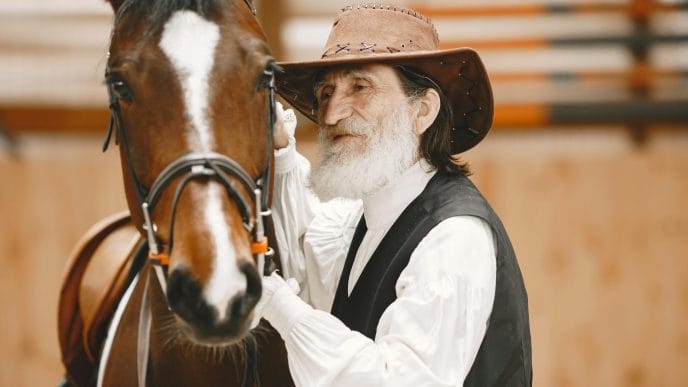
Veterans often describe the barn as a place where the tempo changes. Instead of the rapid decision-making and constant assessment that may define service life, the barn asks for a slower pace and a form of attention rooted in observation and presence. Horses notice small details: where a person stands, how they approach, whether they move with intention or hesitation. This creates an environment where communication is immediate and grounded in the moment.
Many veterans appreciate this shift because horses respond not to titles, military history, or background, but to the signals in front of them. That neutrality becomes part of the experience. A horse does not know what someone has been through; it responds only to what it senses here and now. For veterans, that can make room for a new way of interacting—with the horse, with the group, and with themselves.
Program Models Found at Equine Centers
Because equine programs vary widely, most barns clearly name what type of program they offer. Although terminology can differ, several broad categories appear consistently across veteran-focused initiatives.
Horsemanship and Groundwork Programs
These programs introduce participants to the basics of caring for and interacting with horses from the ground. Sessions may include grooming, leading through simple patterns, observing herd behavior, learning how horses communicate through body language, or participating in small barn responsibilities. Many barns use groundwork as a foundation because it allows veterans to build familiarity with horses at a pace that feels manageable.
Group-based Equine Activities
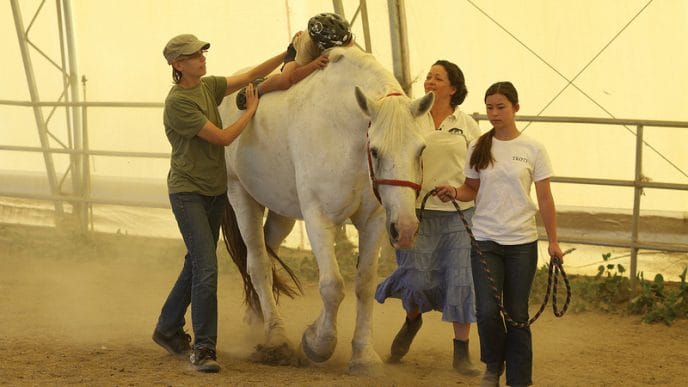
Some centers offer programs designed specifically for veteran groups. These sessions often emphasize teamwork, communication exercises, shared problem-solving tasks in the arena, or structured group reflections. The group setting creates camaraderie and a sense of common purpose, which many veterans recognize as familiar and grounding.
Adaptive Riding and Mounted Activities
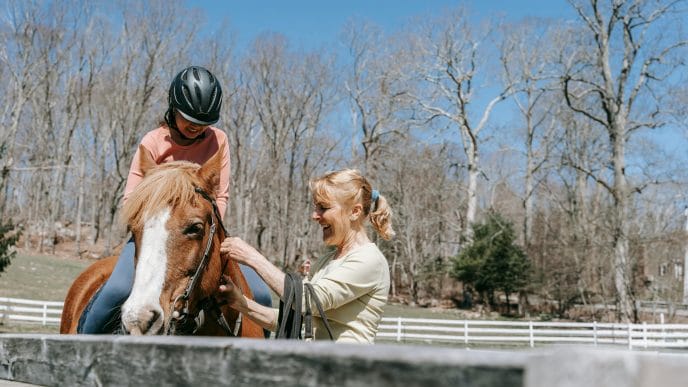
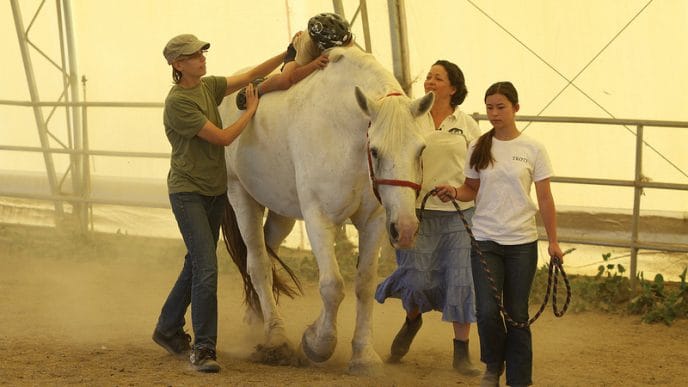
In some programs, veterans have the option to participate in mounted activities at a level appropriate for their comfort and interests. Riding sessions vary widely in structure but often include slow-paced patterns, transitions, or balance-oriented exercises. Riding is not required in most programs; many centers offer both mounted and unmounted paths so that each participant can choose what feels right.
Outdoor and Immersive Experiences
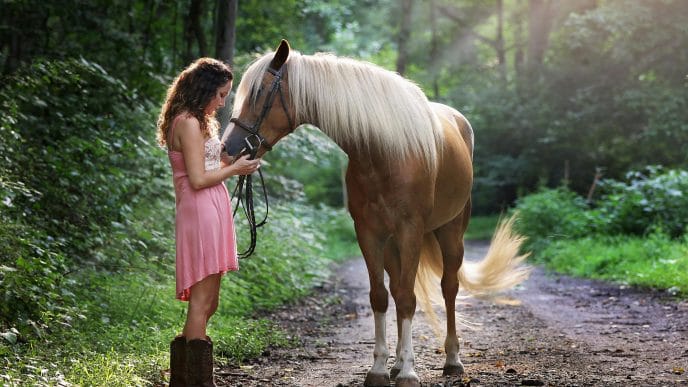
A number of veteran-focused programs include opportunities for trail walks, outdoor horsemanship days, or multi-day experiences that blend ranch life, group connection, and guided activities with horses. These settings offer a blend of physical involvement, fresh air, and shared goals that many veterans find meaningful.
These categories are not mutually exclusive — many barns weave them together into a cohesive experience.
How Sessions Are Commonly Structured
Veteran programs tend to rely on predictable structure. This does not mean rigidity; it simply means that sessions follow a recognizable rhythm so participants know what to expect. A typical flow might look like:
Arrival
A brief welcome, a review of the plan for the day, and a chance to reconnect with staff, volunteers, or the group.
Connection with the Horse
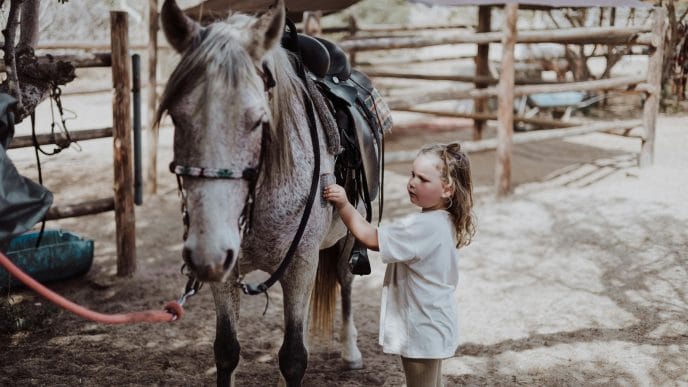
Participants may begin by greeting the horse, brushing, checking equipment with guidance, or observing the horse’s behavior in the arena or pasture. These opening activities help everyone settle into the pace of the session.
Main Activity
Depending on the program’s format, this may include groundwork tasks, leading patterns, group exercises, mounted activities, or collaborative challenges. Each program chooses tasks that suit its horses, staffing, and philosophy.
Reflection
Many veteran programs include informal reflections—sometimes spoken, sometimes simply noted—about what participants observed in themselves or in the horse during the activity. This helps connect the barn experience to daily life without moving into therapeutic interpretation.
Closing Routine
Sessions often end with a familiar ritual such as thanking the horse, returning equipment, or regrouping briefly before departure. These routines help create a sense of completion and continuity.
Themes That Often Matter to Veterans
Although barns do not provide clinical services unless staffed by licensed clinicians, many equine programs for veterans highlight qualities of the experience that participants commonly value. These themes appear repeatedly in program descriptions and veteran testimonials.
Clear, Honest Feedback
Horses respond to intention, posture, timing, and clarity. When a person approaches briskly, hesitates, relaxes, or focuses attention, the horse reacts. This responsiveness allows veterans to experiment with communication in a direct and non-judgmental way.
Purpose and Responsibility
Caring for a horse — grooming, leading, participating in arena tasks — creates a sense of responsibility anchored in the present moment. Many programs intentionally include simple, purposeful tasks because they are easy to understand and build into a steady routine.
Connection without Hierarchy
Veteran groups often remark on the relief of participating in an environment with no ranks, no uniforms, and no expectations beyond showing up. The barn becomes a place where shared effort matters more than titles or past experiences.
Community and Belonging
Whether through small groups, volunteer involvement, or barn culture, equine programs tend to foster community naturally. Veterans often speak about developing a sense of belonging that feels steady and approachable.
None of these elements are guaranteed, and they are not framed as outcomes—they are simply themes that appear frequently in descriptions of veteran-focused equine programs.
A Glimpse Into a Session
Imagine a veteran leading a horse down a quiet arena rail. Cones mark a simple pattern. The horse’s ears flick back and forth, paying attention. When the participant tightens the lead rope, the horse slows. When they soften their shoulders and look ahead, the horse follows with more ease. The facilitator does not rush or over-explain; they simply offer reminders about pacing and space. The small moments—pauses, steady breaths, soft gestures—give the session its shape.
Across a group session, these small adjustments become part of a larger rhythm: walking together, completing patterns, noticing changes in the horse, and ending the day with a consistent routine that brings closure.
How Programs Communicate With Families and Peer Networks
Many barns stay in regular contact with families, peer mentors, or veteran service organizations to help coordinate schedules, group sessions, and special events. Communication is often simple and practical—updates about upcoming activities, seasonal events, or changes in weather plans. Programs that serve veterans often partner with local organizations to reach more participants or to create supportive networks outside the barn.
Accessibility and Participation
Equine centers that work with veterans often emphasize accessibility — physical, sensory, and social. This might include:
- spaces designed for easy movement
- quiet areas for those who prefer low-stimulation environments
- options for mounted or unmounted participation
- adapted equipment based on program needs
- staff and volunteers trained to support newcomers to horses
These adaptations differ by center, but the goal is generally the same: make the barn welcoming to as many veterans as possible.
A Wider Landscape of Veteran-Focused Equine Programs
Veteran programs appear at nonprofit equestrian centers, ranch-based initiatives, therapeutic riding facilities, and community organizations across the country. Some programs operate seasonally; others run year-round with dedicated staff and volunteers. Many collaborate with veteran service groups, outdoor recreation programs, or local community agencies to expand access.
Because each barn designs its own approach, no two programs look identical. What they share, broadly, is a commitment to creating steady, hands-on experiences that invite veterans to participate at a pace that feels manageable and meaningful.
Conclusion
Equine programs for veterans offer a distinctive blend of structure, community, and hands-on activity in a setting shaped by the presence of horses. Whether through groundwork, group exercises, adaptive riding, or outdoor experiences, these programs create opportunities for connection, routine, and purposeful engagement. While every center approaches the work differently, many veterans describe the barn as a place where they can slow down, focus, and contribute in ways that feel genuine.
The barn environment — calm, rhythmic, and rooted in partnership with horses — provides a setting where veterans can participate fully, reconnect with community, and find steady ground in a space built for clarity and respect.