


SUMMARY
This historical overview traces how animals have been included in care, education, and community settings — from early “moral treatment” philosophies to today’s structured, welfare-focused programs.
Animal-assisted activities reflect a long-standing idea: people often respond positively to animals, and animals can create a sense of connection or calm in shared environments. Over centuries, this intuition evolved into organized programs that welcome animals into hospitals, schools, riding centers, and community spaces. The history of these practices is less about treatments and more about social insight — how animals gradually became recognized as meaningful partners in everyday settings.
Early Roots: Before the Practice Had a Name
Long before formal programs existed, animals appeared naturally in places where care and compassion were priorities. In the late 1700s and early 1800s, the “moral treatment” movement emphasized humane routines, quiet environments, and meaningful daily tasks. At the York Retreat in England, small animals such as birds and rabbits lived on the grounds to help create a peaceful, respectful atmosphere.
Across similar settings in Europe and North America, caregivers observed that animals brought warmth and familiarity into environments that could otherwise feel clinical or isolating. Florence Nightingale later noted that small pets often lifted the spirits of people recovering from illness, reflecting what many already believed — animals helped soften the social and emotional atmosphere of care.
Early 20th Century: Companionship and Rehabilitation Settings
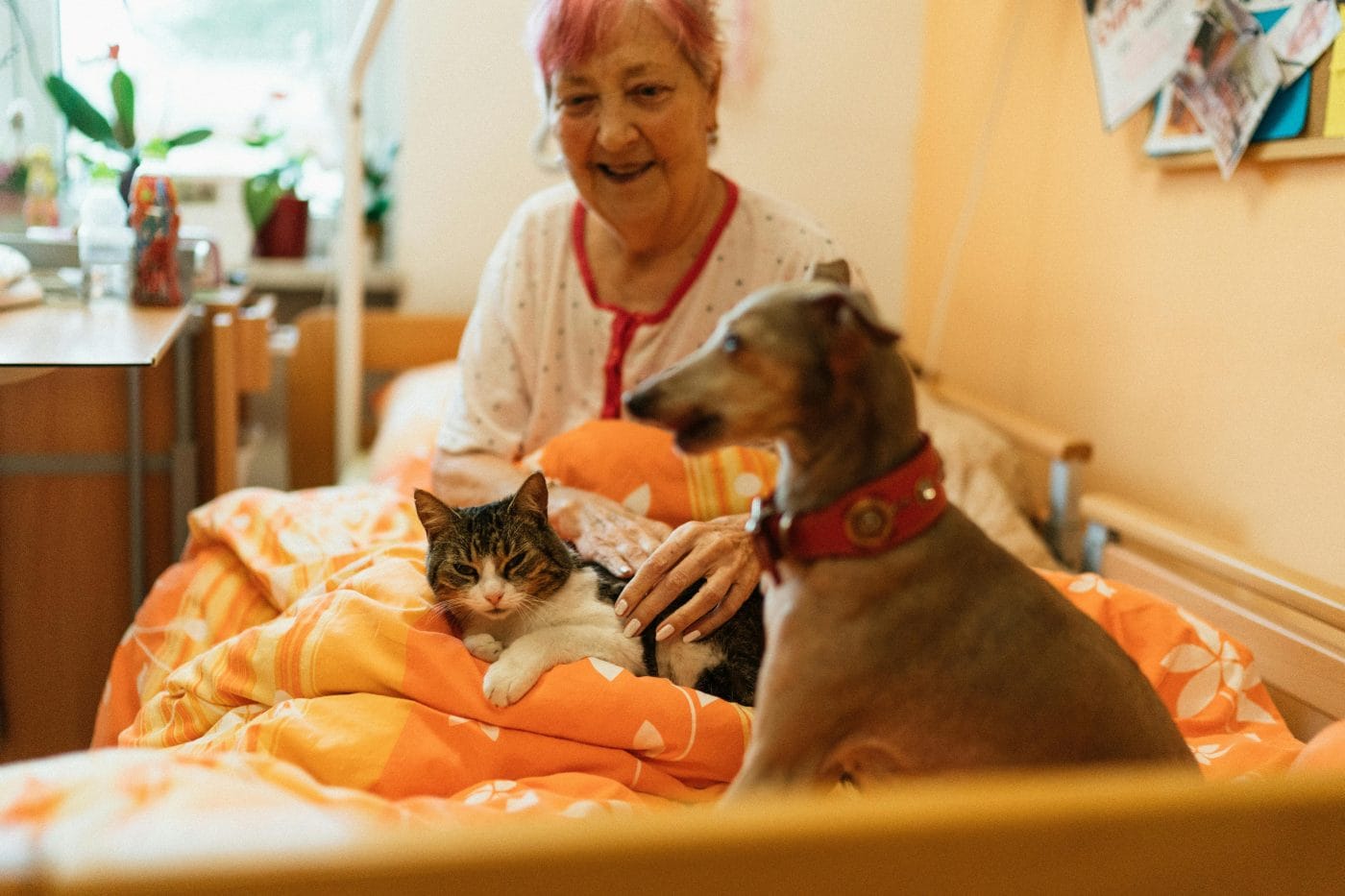
As hospitals and rehabilitation programs expanded in the early 1900s, animals continued to appear informally. During and after World War II, convalescent wards sometimes welcomed dogs to help create a more engaging, comforting space for recovering service members. These were informal efforts rather than structured programs, yet they demonstrated that animals could play a natural, supportive role in daily routines.
At the same time, guide dog schools developed structured training systems for people who were blind. These programs showcased that human–animal partnerships could be thoughtful, ethical, and well-organized — laying groundwork for later animal-assisted approaches.
Mid-Century Interest: Naming the Human–Animal Connection
By the 1950s and 1960s, the idea that animals could influence communication, comfort, or social connection began appearing in professional discussions. Child psychiatrist Boris Levinson observed that some children engaged more easily when his dog was present, describing the dog as a “social catalyst.” Stories about Sigmund Freud’s dog attending sessions also circulated, highlighting curiosity around how animals might shape interpersonal dynamics.
These moments did not create a formal field, but they sparked interest in exploring the human–animal bond more intentionally.
1970s–1990s: Structure, Standards, and New Roles
Interest grew rapidly in the late 20th century. Hospitals, schools, and long-term care facilities began inviting trained volunteers and screened animals to participate in organized visits. As programs expanded, safety guidelines, welfare standards, and handler training became essential.
Professional organizations emerged to clarify terminology, expectations, and ethical practices. Distinctions between volunteer-based animal-assisted activities and other structured programs helped people understand the purpose and boundaries of each approach.
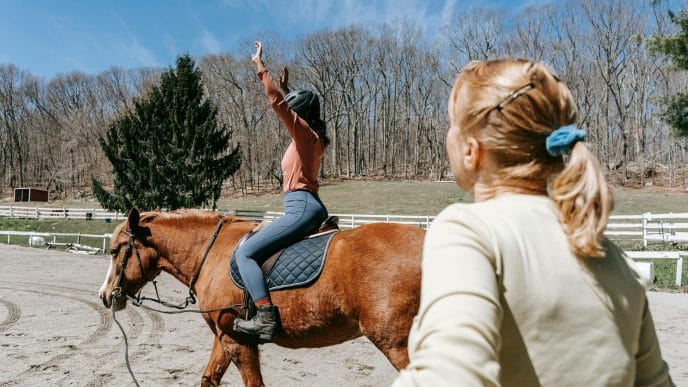
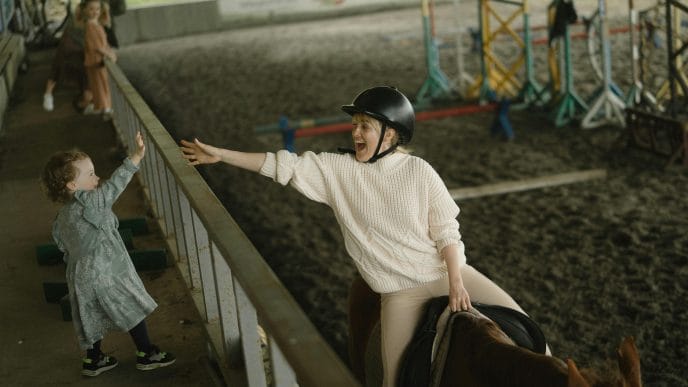
During this period, species-specific roles took shape. Dogs became common partners in indoor and community settings. Horses developed their own branch of programs that focused on horsemanship, communication, and mindful interaction. Smaller animals found roles in residential environments where gentle, consistent contact was valued.
The Role of Ethics and Animal Welfare
As interest grew, so did awareness of animal well-being. Programs increasingly focused on understanding stress signals, offering rest and rotation, using humane training methods, and ensuring animals had agency during interactions. The idea that animals participate as partners — not tools — became central to responsible practice.
This shift marked an important turning point in the field’s evolution, highlighting the need for sustainability and ethical oversight.
What Contemporary Programs Look Like
Today, animal-assisted programs span a wide range of settings — schools, riding centers, community organizations, rehabilitation environments, and more. While each program differs, most emphasize:
- trained handlers or facilitators
- clear roles and expectations
- safety and accessibility
- consistency and routine
- structured environments that consider both human and animal needs
Animals are thoughtfully matched to environments where they can thrive, and program policies increasingly reflect high standards for welfare and clarity of purpose.
Where the Field Is Heading
As animal-assisted activities continue to mature, several themes are shaping how programs evolve. These trends reflect growing attention to animal well-being, clearer program roles, and more intentional partnerships between animals, facilitators, and communities.
Greater Precision in Matching Animals to Settings
Modern programs are more intentional about pairing species with environments where their strengths shine. Dogs often support indoor or community programs, horses excel in movement-based or outdoor environments, and small animals serve well in residential or educational spaces. This precision brings more sustainability and reduces stress for both animals and participants.
Integrating Programs Into Larger Community Systems
Rather than standing alone, animal-assisted activities are increasingly woven into broader recreational, educational, or community initiatives. Schools may partner with equine centers for leadership programs, and community organizations may incorporate animals into enrichment activities. This integration helps normalize programs rather than treating them as specialized or isolated.
Stronger Welfare Frameworks
The field continues to deepen its focus on animal choice, rest, training, and observable well-being. Facilitators are trained to recognize subtle cues from animals and adjust activities accordingly, ensuring healthy, ethical participation.
Continued Refinement of Roles and Boundaries
Programs emphasize the difference between recreational, educational, and clinical environments so that families and participants understand expectations. This clarity supports trust, transparency, and responsible growth.
Taken together, these trends signal a field moving toward thoughtful, sustainable, partnership-based practice — one that reflects both tradition and modern understanding.
Conclusion
The history of animal-assisted activities shows how a simple observation — that people often feel more at ease around animals — gradually became an organized and thoughtful set of practices. Over time, caregivers, educators, and facilitators shaped environments where animals and people could interact in meaningful, ethical ways. Today’s programs continue this trajectory, blending tradition with careful consideration for both human experience and animal well-being.









who ended writing this article and when? it is for a project.
Thanks! This really helped me for a school project! <3
Any bibliography?
Who wrote this article and when was it published
thank u soooo0 much for thissss! it gave me soooo0 much info!