SUMMARY
Equestrian therapy includes a variety of horse-based activities that help people build confidence, coordination, and communication skills in a supportive environment. This article explains what equestrian therapy is, why horses are used, and what to expect when visiting a riding center.
Equestrian therapy is an umbrella term used to describe a variety of horse-based programs where people learn, connect, and grow through horseback riding and hands-on experiences with horses. These programs are usually recreational, educational, or skill-building in nature — not medical treatment — and they create supportive environments where individuals of all ages and abilities can develop confidence, coordination, communication, and emotional awareness.
Although the term “therapy” is commonly used, most equine-assisted programs across the United States focus on activities, not clinical therapies. In many places, the preferred language is therapeutic riding, adaptive riding, or equine-assisted activities. Whatever the name, the heart of the experience remains the same: a meaningful, structured connection between rider and horse.
Why Horses Are Used
Horses are uniquely suited to this kind of work. They’re highly perceptive animals that respond to human body language, tone, and energy. Their calm presence helps create an environment where riders can feel accepted and understood. Because horses are large and powerful, working with them naturally encourages trust, patience, and communication. Riding also engages the whole body, offering movement and rhythm that many participants find grounding and enjoyable.
For many people, simply being around horses is motivating. Horses offer immediate feedback — if a rider relaxes, the horse often relaxes too — and this interaction helps teach awareness, responsibility, and self-control in a way that feels natural and intuitive.
Common Types of Equestrian Therapy Programs
Equestrian therapy isn’t one single activity. Instead, it includes several different kinds of horse-based programs.
Therapeutic riding is the most familiar. Riders learn basic horseback-riding skills such as steering, balance, stopping, and communicating with the horse. Sessions are typically adapted to each individual, and instructors or volunteers may offer hands-on support when needed.
Adaptive riding is similar but includes personalized adjustments such as modified equipment or alternative mounting methods. The goal is simply to make riding accessible and enjoyable for every participant.
Not all programs involve riding. Equine-assisted learning focuses on groundwork—grooming, leading, and interacting with the horse from the ground. These sessions help develop responsibility, confidence, communication, and problem-solving skills without needing to get in the saddle.
Some centers also offer general recreational or inclusive riding, welcoming riders of different ability levels for lessons that emphasize enjoyment and personal growth.
Who Participates
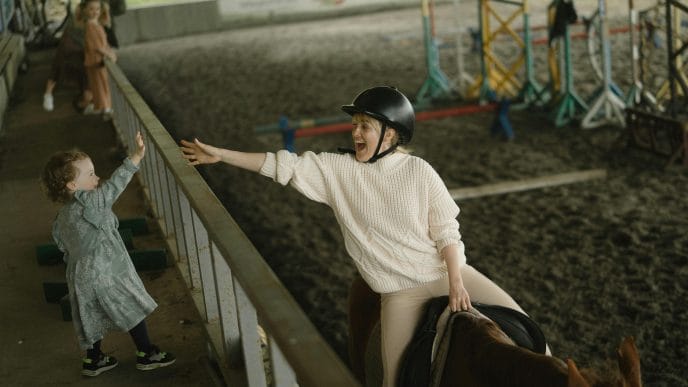
Equestrian therapy programs welcome a wide range of participants. Children, teens, and adults take part in these activities for many reasons: to build confidence, improve coordination, connect socially, or simply enjoy spending time with horses. Many families appreciate that these programs offer structure and a calming atmosphere, while giving riders the chance to learn and succeed at their own pace.
Because programs are highly adaptable, instructors can tailor each session to the individual, focusing on their strengths, interests, and goals.
What a Session Looks Like
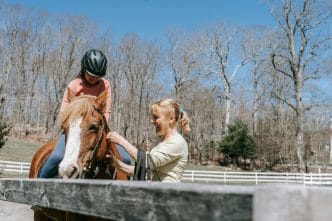
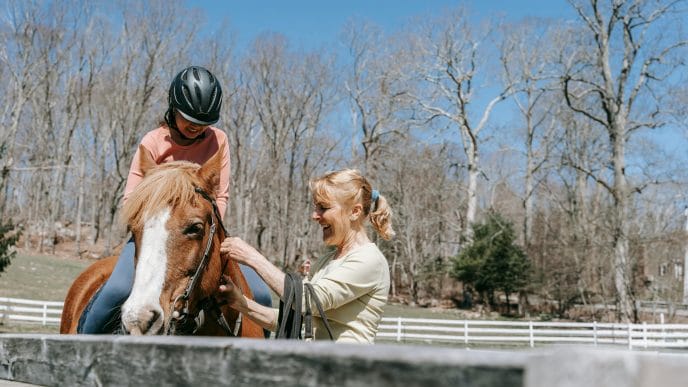
A typical visit to a riding center begins with meeting the horse, the instructor, and any volunteers who will be helping. Many programs include time for grooming, which gives riders the chance to bond with the horse while learning simple horsemanship skills. Mounting is done with safety in mind, often using a mounting block, ramp, or trained volunteer team.
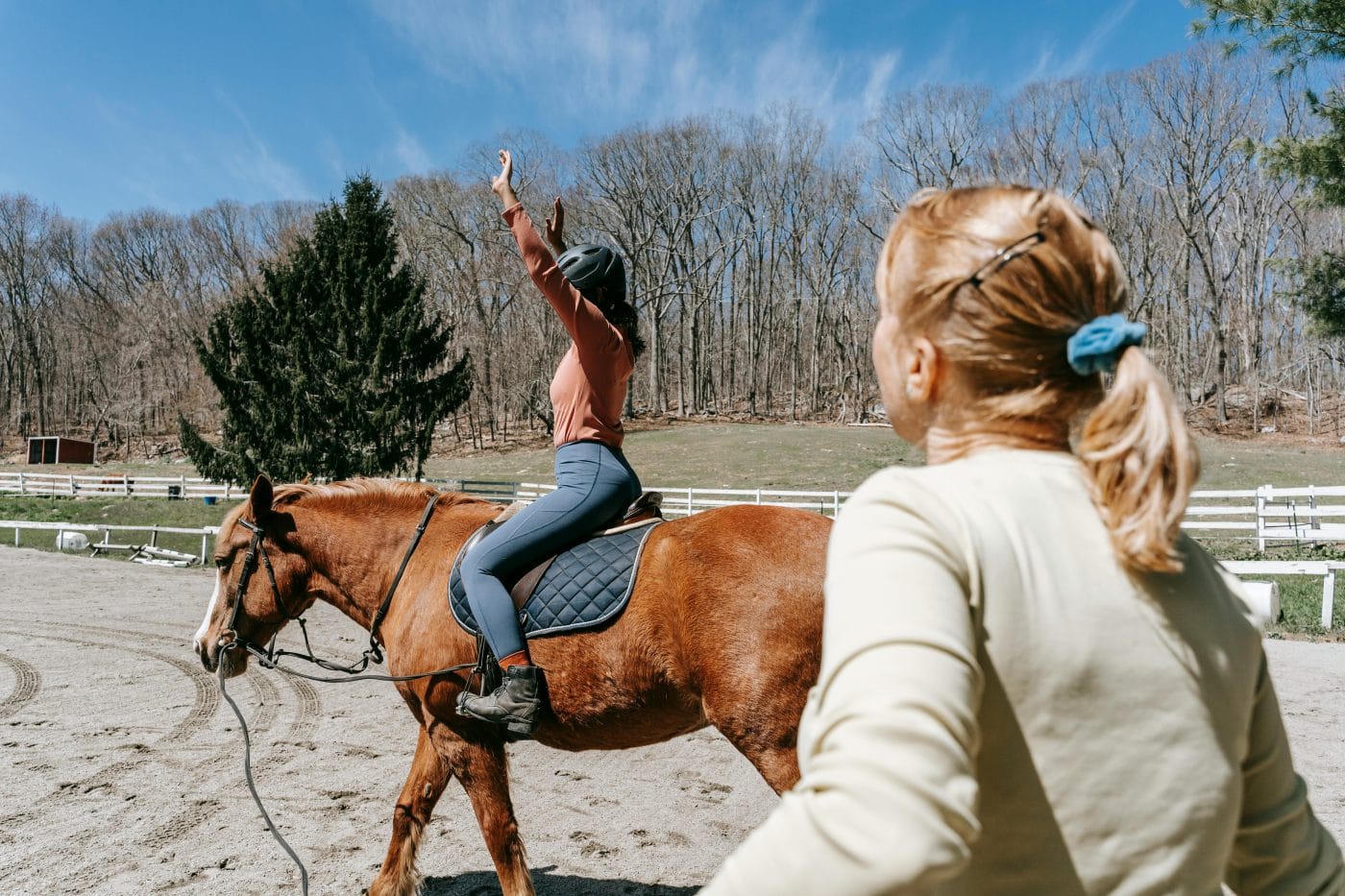
Once in the saddle, the rider may practice steering, balance, posture, and communication. Sessions often include simple patterns, games, or activities that make learning engaging and fun. Afterward, riders usually help cool down the horse and say goodbye, ending the session on a positive, connected note.
How People Benefit
Families and instructors often notice meaningful changes in riders over time, even though these programs are not medical treatments. Many riders grow more confident, especially as they learn to communicate with and guide a large, sensitive animal. Riding encourages natural movement and body awareness, and the steady rhythm of the horse often helps riders relax and focus.
Beyond the physical aspects, spending time with horses can foster patience, empathy, and a sense of responsibility. Riders often build strong relationships with their instructors, volunteers, and fellow riders, making the barn a welcoming place where they feel included and supported.
Who Provides These Programs
Most equestrian therapy and adaptive riding programs are offered by nonprofits, community riding centers, or specialized equine programs. Lessons are typically led by trained instructors and supported by volunteers who help keep riders safe and comfortable. Many centers follow safety guidelines from national organizations such as PATH International or the Certified Horsemanship Association, which provide standards for instructor training and facility practices.
Getting Started
If you’re considering equestrian therapy for yourself or someone you care about, a good first step is to visit a local center. Seeing the facility, meeting the horses, and talking with instructors can help you understand how their programs work and what options they offer. Most centers are happy to answer questions about attire, scheduling, accessibility, and the types of sessions available.
Every program is different, but they all share a common purpose: to create meaningful experiences that help riders feel capable, connected, and empowered.
The Heart of Equestrian Therapy
At its core, equestrian therapy is about the bond between humans and horses. Horses invite people to slow down, become present, and explore new skills in a setting that is both challenging and deeply rewarding. Whether through riding, grooming, or simply spending time at the barn, participants often discover strengths they didn’t know they had — and that’s what keeps equestrian therapy so special.