SUMMARY
A riding session gives participants a calm, structured experience that includes meeting the horse, grooming, mounting with support, riding in the arena, and connecting with the horse at the end. This guide explains what to expect at a riding session so families feel prepared and comfortable.
For many people, the idea of attending a riding session for the first time brings a mix of excitement and uncertainty. Whether the participant is a child, teen, or adult, arriving at an equine-assisted activity center can feel like entering a world that runs at its own rhythm — quiet, calm, and full of possibility.
Horses move differently, behave differently, and communicate differently than most animals we encounter in daily life. A riding session offers a chance to engage with these gentle partners while learning new skills in a supportive and encouraging setting.
If you’ve never visited a riding center before, it can be helpful to know what a session typically looks like. While every program has its own approach, most equine-assisted activity centers share similar routines designed to help riders feel comfortable, confident, and safe. Understanding what to expect at a riding session not only prepares participants but often helps families feel more at ease as they watch the experience unfold.
A typical visit to a riding center begins the moment you pull into the driveway. The sound of hooves in an arena, the scent of hay, the sight of open fields or a well-kept barn — everything contributes to a sense of calm. Many centers encourage riders to arrive a few minutes early so they can transition into the environment without feeling rushed. This extra time gives individuals the chance to breathe, settle in, and begin noticing the horses around them.
Meeting the Instructor, Volunteers, and Horse
When the session is ready to begin, riders usually meet their instructor and any volunteers who will be supporting them. In most programs, volunteers play a meaningful role as leaders or sidewalkers. Leaders guide the horse from the ground, while sidewalkers offer support to the rider as needed. Meeting these helpers early in the session builds trust and familiarity, and it allows riders to feel comfortable with the team that will be assisting them.
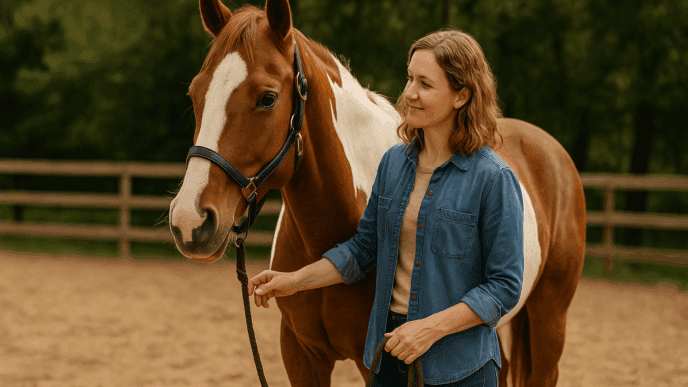
Before mounting, many programs start with grooming or light horsemanship. Grooming a horse is more than a routine task — it’s a simple but powerful way to form a bond. Riders may brush the horse’s coat, run their fingers through its mane, or help clean its hooves under instructor supervision. This quiet interaction helps the horse and rider get used to each other. The repetitive movements of grooming can be soothing, and the horse’s calm nature often helps riders feel grounded and connected.
Preparing and Tackling the Horse
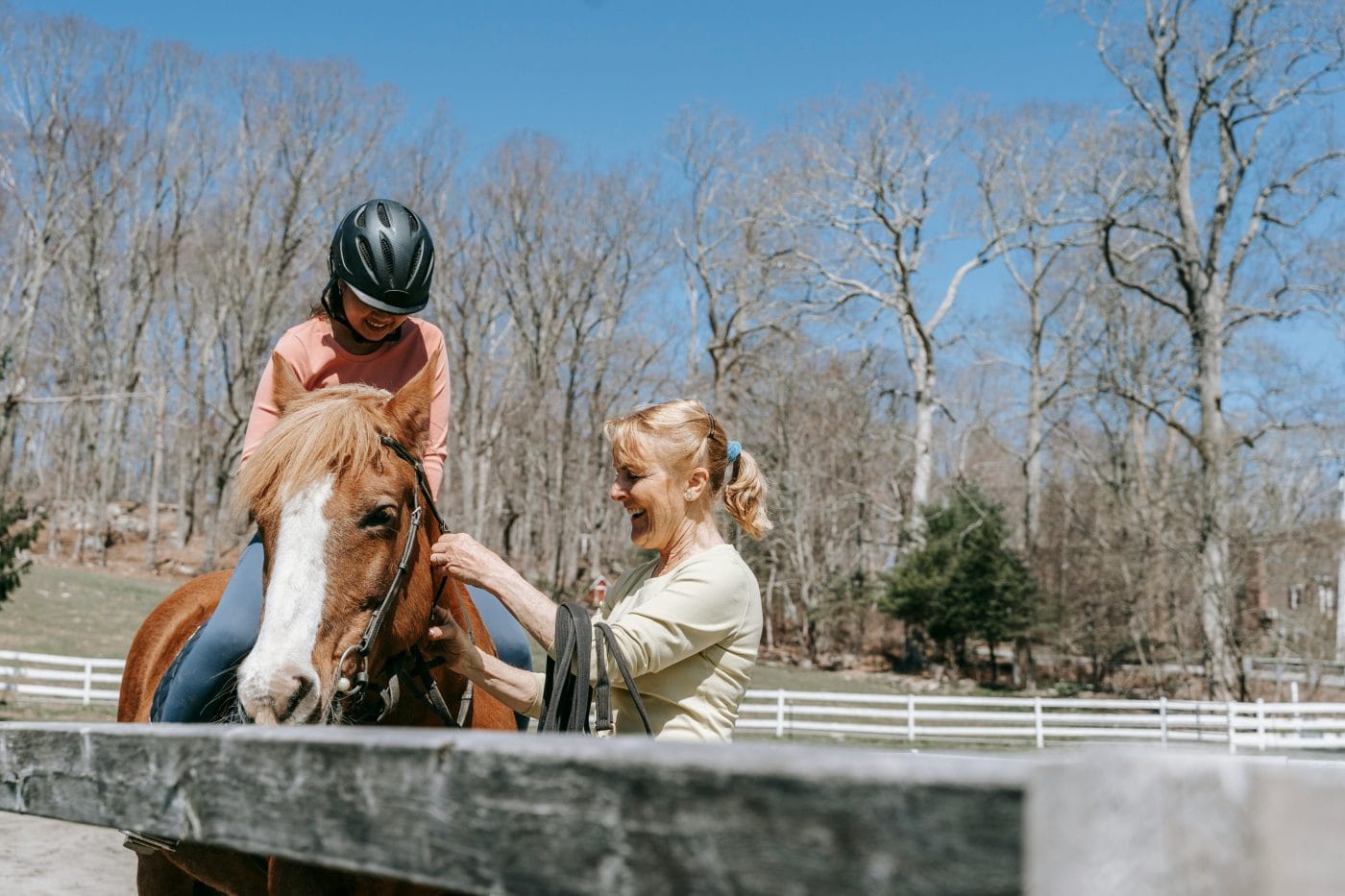
Once grooming is complete, the instructor prepares the horse with the appropriate tack. The saddle, pad, bridle, and other equipment may be adapted depending on the rider’s needs. Some individuals require specialized tack or supports, while others use standard riding equipment. This preparation period is a great time for riders to observe, ask questions, and learn about the purpose of each piece of equipment.
Mounting the horse is often one of the most carefully supported moments of the session. Many centers use mounting blocks or ramps to make the process easier and more accessible. Some facilities have lifts for riders who benefit from additional support. The instructor and volunteers work as a team to ensure that mounting feels steady, predictable, and safe. Riders are encouraged to relax, breathe, and focus on their balance as they settle into the saddle.
Beginning the Ride
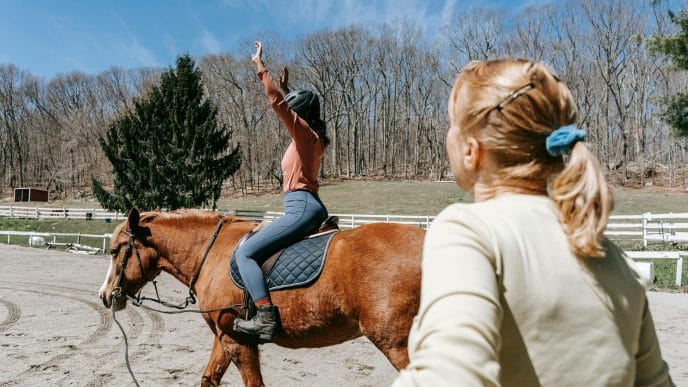
Once mounted, the riding portion of the session begins. The arena often becomes a quiet world of its own, with just the sound of hooves, soft voices, and gentle reminders. Riders may spend the first few minutes adjusting their posture, feeling the horse’s movement, and becoming comfortable in the saddle. For beginners, even the slow walk of a horse can feel new and thrilling. The horse’s rhythmic motion can help riders find a natural sense of balance and connection.
During the session, riders learn how to communicate with their horse. Instructors may guide them through simple cues like stopping, starting, steering, or encouraging the horse into a smooth turn. Some riders respond well to verbal instructions, while others prefer visual or physical prompts. Because horses are sensitive animals, even small shifts in posture or tone can influence how they respond. This kind of communication helps riders become more aware of their bodies and emotions.
Riding Activities and Learning Patterns
As the session progresses, riders may follow patterns in the arena. These patterns help develop consistency, coordination, and focus. Some sessions include playful activities, such as placing objects into a bucket, weaving through cones, or steering toward colorful markers. These creative elements make the experience engaging while reinforcing riding skills in a low-pressure environment.
In some programs, riders build confidence step by step, beginning with simple exercises and gradually exploring more advanced skills. Other programs may stay at a gentle, relaxed pace, prioritizing comfort and enjoyment over technical progression. Every session is shaped by the rider’s goals, interests, and comfort level.
Throughout the ride, instructors and volunteers maintain a supportive presence. Sidewalkers may walk beside the horse, offering verbal cues or physical support. Leaders guide the horse smoothly, keeping pace with the rider’s needs. The atmosphere is rarely rushed. Riding sessions are designed to unfold gently, giving each participant the time and space they need to feel successful.
Ending the Ride and Cooling Down
As the session draws to a close, riders help cool down the horse with a slower pace or relaxed walk around the arena. Cooling down gives the horse a chance to settle and helps the rider transition out of the structured part of the lesson. When it’s time to dismount, the instructor and volunteers assist again with the same care and steadiness as during mounting.
After dismounting, many riders enjoy a moment of connection before saying goodbye. This may involve giving the horse a pat, helping untack, or simply spending a quiet moment together. These closing interactions help riders feel a sense of accomplishment and gratitude. Parents and caregivers often notice smiles, calmness, or a sense of pride as the session ends.
A Welcoming and Supportive Experience
Every riding center offers its own unique experience, but they all share a commitment to safety, encouragement, and the well-being of both horse and rider. By understanding what to expect at a riding session, families and participants can approach the experience with confidence and excitement. Whether the goal is to learn new skills, build confidence, develop balance, or simply enjoy being around horses, a riding session provides a warm and welcoming environment where growth feels natural and genuine.