SUMMARY
Equine-assisted programs increase challenge gradually — adjusting tempo, steering patterns, environment, and independence only when both the participant and the horse are ready. This progression supports learning, confidence, and safety without overwhelming either partner.
Progress in equine-assisted programs unfolds in small, intentional steps. Instructors and clinicians watch the participant, the horse, and the partnership between them, increasing difficulty only when the current task feels stable and coordinated.
This article explains how programs safely progress activities, what learners may notice as challenge increases, and how staff decide when to pause, advance, or simplify.
The Logic Behind Progression
Progression is the art of adding “just enough” challenge. Sessions begin with a familiar warm-up, introduce one new variable at a time, then return to calm footing and predictable patterns. Staff observe posture, breath, attention, and communication. If quality slips or tension rises — in the participant or the horse — they step back, reset, or shift to a simpler task. The aim is steady learning, not strain.
How Tempo Shapes Learning
Tempo refers to the horse’s step rhythm, most often at the walk. Small adjustments can subtly change how the body organizes.
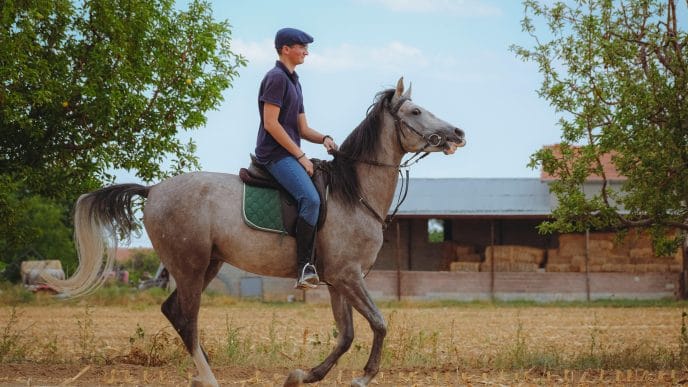
A slow walk gives time to coordinate posture and breath. A steady, swinging walk offers reliable input for practicing alignment and timing. Short, purposeful lengthenings wake up attention and balance before returning to the baseline rhythm. Over time, participants learn to maintain stability through these shifts and recover smoothly afterward.
Clear cues, consistent spacing, and predictable routes keep tempo work safe and understandable.
Steering Patterns and Figures
Arena figures — straight lines, circles, serpentine paths — shape balance and coordination. Straight lines reinforce alignment and even contact. Large circles encourage a soft bend without abrupt changes. Shallow loops and figure-eights help riders switch weight and direction with clarity.
Progression often begins with simple shapes and builds toward linking them together, sometimes adding small tasks like touching a cone or maintaining steady breath through each turn. The emphasis is on quality, not complexity.
Terrain and Environmental Variation
Changes in environment — from flat footing to a single ground pole or a shallow outdoor grade — help participants adapt to new sensory and balance demands. Early sessions stay on familiar footing. Later sessions may include a pole, a wide turn around a marker, or a short stretch of varied terrain.
These elements are introduced one at a time and in short doses so the participant and the horse can stay calm and organized.
Other Ways Programs Adjust Challenge
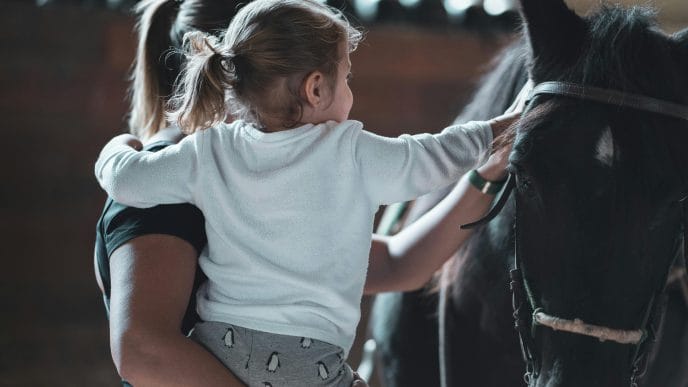
As participants develop steadier control, progression also happens through smaller instructional shifts. Session length may increase slightly as endurance improves. Side-walker support may fade from full assistance to light supervision. Riders may practice short dual-task moments — such as noticing markers, naming colors, or reaching for an object while maintaining posture.
Changes in horse choice can also support progression. A smoother, narrower-moving horse may be ideal early on; a broader or more swinging gait may offer new learning opportunities later.
Knowing When to Advance
Programs rely on a few simple indicators. If posture, breath, and attention remain organized during the current task, if recovery is quick after a new challenge, and if the horse shows relaxed ears, steady steps, and responsive movement, the session can progress naturally.
If any of these signs waver, staff adjust without hesitation. Stepping back is part of safe learning.
What Participants May Notice
As tasks grow slightly more challenging, many people describe a feeling of workable effort rather than strain — fuller breathing, easier head turns, and a sense that balance returns more quickly after a change. Brief rest breaks are built in so progress feels accessible and encouraging.
Examples of Gradual Progression
A participant working on balance may begin with straight lines, then add large circles, followed by a brief tempo change, and later a single pole on a familiar path. Someone practicing speech pacing might pair steady walking with short voice tasks, then later add a shallow loop while speaking a short phrase. Riders building independent skills may start with simple steering to markers, later linking two shapes together, and eventually adding a brief stride lengthening across the arena.
Monitoring Comfort and Welfare
Progression always considers two bodies. Staff watch the participant for slumping, clenched hands, or loss of focus, and the horse for tension, uneven steps, or signs of fatigue. Any concern leads to a simpler task or a quiet reset. Tack fit, helmets, and volunteer positioning are checked at the start and informally throughout the session.
Communication and Documentation
In equine-assisted learning and therapeutic riding, instructors track lesson notes and adjust plans as skills develop. In clinical models such as hippotherapy or equine-assisted psychotherapy, licensed clinicians document goals and outcomes as part of professional practice. Families and participants are encouraged to share changes they notice between sessions so progression aligns with real life.
Conclusion
Safe progression is central to effective equine-assisted programs. By adjusting tempo, steering patterns, environment, and instructional support in thoughtful increments, instructors and clinicians help participants build genuine skill and confidence while protecting the well-being of the horse. The result is steady, meaningful learning that feels doable, grounded, and transferable to daily life.