SUMMARY
Equine-assisted activities help strengthen attention, working memory, and everyday planning skills through structured routines, clear feedback, and purposeful interactions with horses. These programs are not clinical therapy, but they offer real-world opportunities to practice focus, sequencing, and communication in a supportive barn environment.
Understanding Cognitive Skills in Equine-Assisted Settings
Many families first explore equine-assisted activities for confidence, physical participation, or emotional regulation. Yet one of the most consistent outcomes people notice is cognitive: sharper attention, better follow-through, clearer communication, and more organized thinking.
These gains emerge not from worksheets or lectures, but from the natural structure of working with horses. The barn environment requires presence, pacing, and planning. Sessions involve preparing tools, following a routine, communicating with a thousand-pound partner, and adjusting in real time. These practical demands make cognitive engagement feel organic rather than forced.
Crucially, equine-assisted activities are not medical treatment. They do not diagnose or correct cognitive disorders. Instead, they offer situations in which cognitive skills can be practiced — gently, consistently, and meaningfully.
Why Horses Support Focus and Thinking
Horses help people think more clearly for reasons rooted in movement, feedback, and motivation.
A Rhythmic Environment That Organizes Attention
The barn provides a steady pace. Grooming has a familiar order. Leading a horse requires watching the path ahead. Simply walking beside a horse encourages a calmer cadence and smoother breathing. This combination helps attention settle into a more workable range.
Tasks That Involve Sequencing and Planning
Working with horses always involves steps. You gather tools, approach safely, begin grooming, prepare tack, and transition to an activity. On the ground, leading a horse through a simple pattern requires looking ahead, choosing a path, and adjusting based on the horse’s response. These everyday routines invite planning, memory, and self-monitoring in a way that feels purposeful and engaging.
Honest, Immediate Feedback
A horse responds to the quality of a cue, not the intention behind it. If someone rushes or sends mixed signals, the horse may hesitate or stop. When the person softens their shoulders, breathes, and asks clearly, the horse often follows. That immediate change strengthens cause-and-effect thinking without criticism or pressure.
A Relationship That Encourages Effort
People often work harder when the task matters to someone they care about. Many participants feel connected to a horse more quickly than they expect. This connection makes it easier to stay focused, try again after mistakes, and celebrate small successes.
Who May Benefit from Cognitive Skill Practice
Because equine-assisted activities blend structure and movement, they can support a wide range of participants. Many families find them helpful for children or teens who need more practice with attention, organization, or flexible thinking. Adults often use these programs to rebuild confidence in routines or maintain engagement after major life transitions. Older adults appreciate the combination of pacing, memory practice, and meaningful activity.
The key is matching the program to the person’s comfort, learning style, and goals. Sessions are not designed to replace clinical care. They simply offer a practical setting where cognitive habits can strengthen through repetition and real-world action.
What Cognitive-Focused Sessions Can Look Like
Sessions differ by center, but the rhythm is usually calm and predictable.
Arrival and Preview
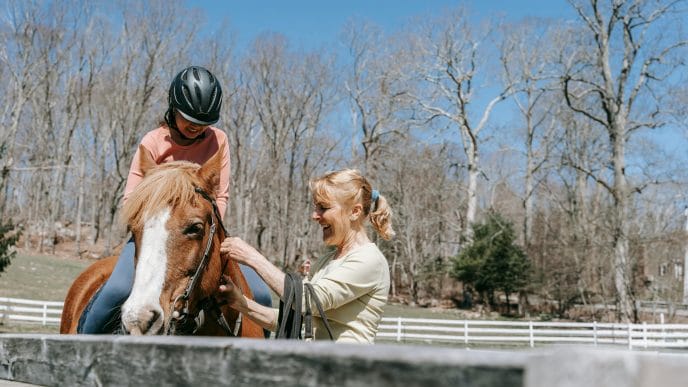
The facilitator reviews what the day will involve using simple language or visual supports. This might include greeting the horse, grooming in a certain order, or navigating a pattern together. Beginning with a plan helps participants practice organization before they even touch a brush or lead rope.
Groundwork and Interaction
Much cognitive practice happens on the ground. Grooming asks for attention to order. Leading a horse through a shape or path requires awareness, timing, and adjustment. The facilitator may pause and highlight moments when the horse gives useful feedback, such as slowing down when cues become rushed or inconsistent. These reflective moments help participants connect their choices with their outcomes.
Mounted Work When Appropriate
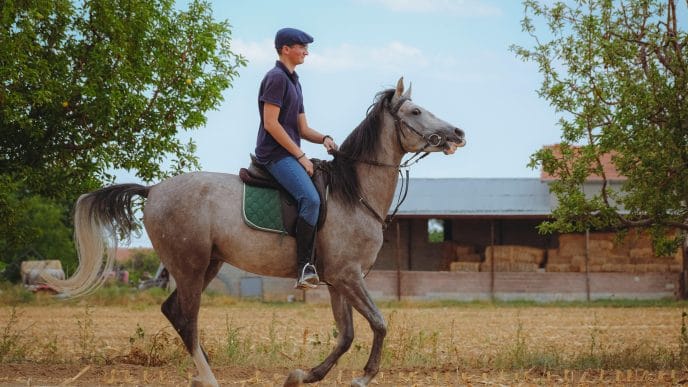
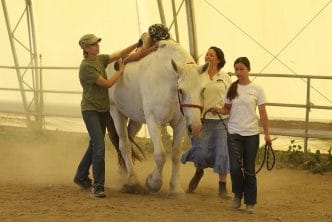
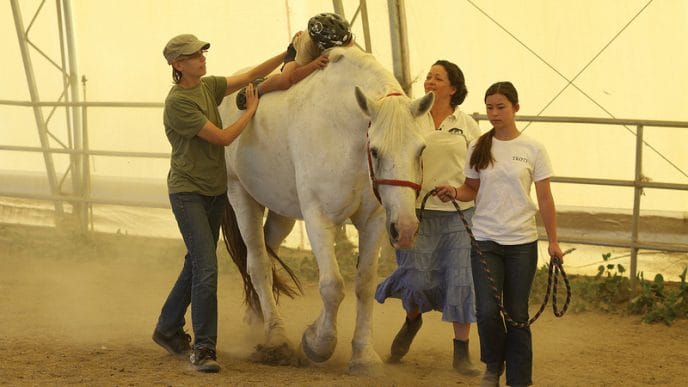
If the program includes riding and the participant is comfortable, simple mounted activities can extend cognitive engagement. Following a pattern, remembering where to turn, or using breath to cue transitions all involve sequencing and planning. Mounted work remains optional and is always adapted for safety and comfort.
Reflection and Carryover
Sessions usually end with a brief conversation about what worked, what was challenging, and what strategy might be useful during the week. The facilitator may help identify a small phrase like “pause, then ask” or “look ahead before stepping” that becomes a bridge between the barn and everyday life.
How Gains Show Up Outside the Barn
Cognitive changes tend to start small. A rider might remember a two-step direction more easily. A teen might slow down long enough to organize a school backpack without reminders. A child who struggles with flexibility may adjust more smoothly when plans shift.
These improvements often reflect stronger:
- attention to task
- ability to recover from distraction
- working memory for simple sequences
- capacity to plan and follow through
- awareness of tone, space, and pacing
Over time, families may notice that the same strategies used with a horse — breathing before acting, naming the steps, watching ahead — translate into smoother routines at home and school.
Safety, Roles, and Boundaries
Equine-assisted activities protect both people and horses through clear structure. Programs use calm, well-conditioned horses, fitted helmets when mounted, appropriate footwear, and predictable routines. Facilitators explain each step before it happens and allow participants to choose whether they ride, lead, or observe.
If a participant has clinical needs such as occupational therapy, speech therapy, or mental health care, those services occur separately. Equine-assisted activities can complement those services but cannot replace them.
Choosing the Right Program
A good program is easy to understand. Staff can explain what they offer, how sessions are structured, and how they keep both people and horses safe. When visiting, look for horses that appear relaxed, equipment that is clean and fitted, and facilitators who coach calmly rather than correct sharply. Progress should be meaningful but never pressured. The barn environment should feel steady, respectful, and welcoming.
A Short Vignette
A twelve-year-old arrives with a habit of rushing through tasks. During a session, their job is to lead a pony through a wide S-curve. On the first attempt, the child looks down, moves quickly, and pulls on the rope. The pony stops.
The facilitator invites a pause: “Look where you want to go first.”
The child lifts their gaze, takes a breath, and steps forward. This time, the pony follows.
Later that week, the same strategy helps with getting ready for school: look ahead, breathe, then move.
Conclusion
Equine-assisted activities offer structured opportunities to practice thinking skills in a setting that feels real and engaging. Through movement, routine, and natural feedback, participants learn to organize their actions, pace their communication, and adjust to changes in a way that carries into everyday life.
With thoughtful facilitators, calm horses, and predictable routines, the barn becomes a quietly powerful place for building attention, memory, and confidence — one clear step at a time.