SUMMARY
Equine-assisted therapy and activities can support steadier balance, stronger postural control, smoother coordination, and more efficient breathing by pairing rhythmic horse movement with guided, purposeful tasks. This article explains how these benefits develop, what sessions typically involve, and how improvements often carry into daily life.
Equine-assisted therapy offers a form of physical practice that feels natural and engaging. Instead of completing repetitive exercises in a clinical setting, participants experience movement through a calm, steady horse whose gait encourages the body to respond with small, well-timed adjustments. These quiet adjustments accumulate into meaningful changes: better alignment, more stable balance, smoother movement sequences, and increased confidence navigating the world.
For many people, this type of work succeeds because it blends physical challenge with emotional grounding. The horse responds honestly to movement and energy, creating an environment where focus comes more easily and practice feels purposeful.
How a Horse’s Movement Supports the Body
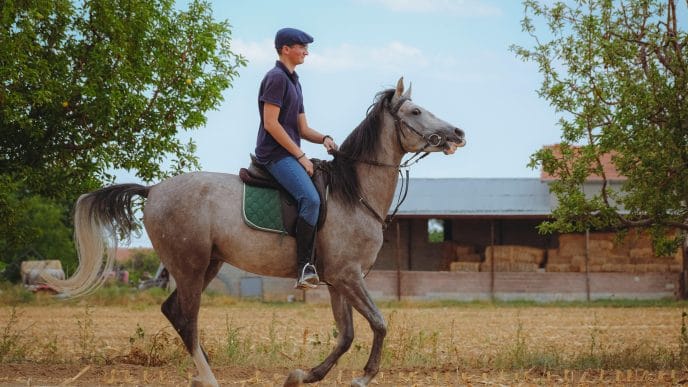
When a horse walks, its back moves in a gentle, three-dimensional pattern that influences every part of the rider’s pelvis and trunk. Each step prompts subtle shifts in weight, alignment, and timing. Instead of consciously thinking about posture or balance, the body learns through repeated experience. Over time, this can result in steadier sitting, smoother transitions between positions, and greater ease during everyday activities.
Even unmounted work contributes to physical development. Leading a horse, grooming, or practicing simple patterns on the ground encourages controlled pacing, intentional stepping, and clearer body awareness.
Balance and Postural Control
One of the most consistently observed benefits is improved balance. The rhythm of the horse’s walk invites the rider to find and maintain midline alignment while making small corrections with every stride. Turning corners, changing speeds, and shifting attention naturally challenge the balance system without overwhelming it.
As this practice accumulates, people often notice they can sit upright for longer periods without fatigue, recover more quickly from minor balance disruptions, and move with greater confidence in busy or unpredictable environments.
Core Activation and Trunk Stability
Rather than strengthening the core through intense exertion, equine work activates deep abdominal and back muscles repeatedly but gently. The continuous adjustments required to stay aligned on a moving horse build endurance and coordination. Many participants describe feeling less “slumped,” more stable when sitting or standing, and better able to control their posture throughout the day.
This increased trunk stability often plays a supportive role in other forms of learning and participation, such as writing, reading, navigating school or work spaces, and completing routine tasks that require sustained attention.
Hip Mobility, Pelvic Alignment, and Smoother Steps
The pelvis responds to each step of the horse in a way that mirrors components of human walking. This guided movement can help organize hip motion and pelvic alignment, especially for individuals who tend to move stiffly or asymmetrically. Improved pelvic motion often translates into easier, more even steps on the ground and greater comfort navigating stairs, uneven terrain, or tight spaces.
These changes tend to appear gradually but noticeably in daily routines — stepping into a car, shifting weight from side to side, or walking through a crowded hallway with fewer hesitations.
Coordination, Timing, and Motor Planning
Working with horses encourages coordinated timing because the horse provides a natural rhythm. Participants learn to match cues to the horse’s movement, anticipate changes in direction, and complete sequences of actions in a controlled manner. Grooming, leading, or steering through patterns all require planning, starting, adjusting, and finishing a task.
This type of embodied practice can support smoother movements in everyday contexts, from carrying items between rooms to participating in sports, dance, or recreational activities.
Head, Neck, and Visual Control
Once the trunk becomes steadier, the head and eyes can move more freely without disrupting balance. Riders practice looking toward markers, scanning the arena, or watching where they are going while maintaining alignment. These skills often carry into reading, navigating busy environments, and transitioning between tasks that require visual attention.
Breathing, Voice, and Endurance
Rhythmic motion often encourages more consistent breathing. Some instructors or clinicians pair breath cues with the movement of the horse to help participants develop steady inhalation and controlled exhalation. Over time, people may find that they can speak more clearly, sustain physical activity longer, or approach challenging tasks with more calm and stamina.
Sensory and Body Awareness
Working with a horse provides clear sensory input through motion, pressure, texture, and spatial orientation. This can help individuals who struggle with sensory sensitivity or sensory under-responsiveness find a workable middle ground. The barn environment — structured but calm — supports more accurate body awareness, smoother self-regulation, and greater confidence moving in and through space.
Upper-Body Mobility and Hand Skills
Whether mounted or on the ground, participants engage their upper body through reaching, holding, grooming, lifting, or guiding. These natural tasks support shoulder stability, grip strength, and fine motor coordination in ways that feel practical rather than repetitive. Many people report improvements in everyday tasks such as carrying bags, fastening clothing, or reaching overhead.
Real-World Carryover
Physical improvements matter most when they appear outside the arena. Families and participants frequently describe changes such as:
- more upright sitting at meals or school
- fewer stumbles during walking
- easier transitions between standing, sitting, or bending
- greater stamina for chores, work, or recreation
Because equine-assisted work blends physical effort with emotional engagement, participants often retain and apply these skills more readily than after traditional exercise.
Safety, Comfort, and Horse Welfare
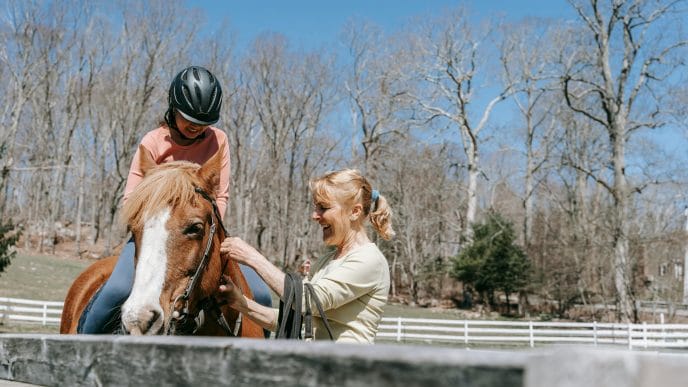
Meaningful physical benefits depend on a foundation of safety. Helmets are standard during mounted activities, mounting and dismounting follow established routines, and horses are carefully selected for temperament and movement quality. Programs pace sessions thoughtfully, allowing time for breaks, grounding, and comfort.
Horse welfare is just as important as participant safety. A comfortable, relaxed horse provides better-quality movement, clearer feedback, and a safer environment overall.
Individuals with specific medical conditions — such as spine instability, hip concerns, recent surgeries, or seizure disorders — should consult a qualified professional before participating. Programs can provide guidance on appropriate adaptations or alternative activities.
Conclusion
Equine-assisted therapy offers a unique blend of movement, focus, and connection that supports physical development in organic, motivating ways. The steady rhythm of the horse encourages the body to find alignment, practice balance, coordinate its efforts, and breathe more naturally. Over time, these experiences become skills that live beyond the barn — showing up in the kitchen, at school, at work, and in the small physical moments that shape daily life.
With thoughtful guidance and a horse-first approach, participants gain not only physical strength but also confidence in their ability to move through the world with stability and ease.