
SUMMARY
This guide helps you explore whether equine-assisted activities may be a good personal fit by reviewing goals, comfort level, program style, and what to look for in a supportive riding center.
Equine-assisted activities invite people into a world shaped by movement, patience, and connection. Many riders enjoy the sense of confidence, rhythm, and skill development that naturally grows through time spent with horses. But before joining a program, it can be helpful to step back and think about your goals, your comfort around horses, and the type of experience you’re hoping to find.
This non-clinical guide is designed to help you explore personal fit. It does not offer medical or mental health advice. Instead, it focuses on the educational and experiential side of equine-assisted activities — what they are, how they differ, and how to choose a program that feels right for you.
Beginning With Your Interests and Goals
A helpful first step is to think about what draws you to horses or riding activities. Some people hope to build confidence or try something new. Others enjoy the physical engagement of riding — learning balance, steering, and communication with the horse. Some are curious about barn routines, horsemanship, or the community atmosphere that forms around riding centers.
Writing down one or two personal goals can make the next steps clearer. These goals don’t need to be complicated. It might be something like wanting to feel more comfortable around horses, enjoy a new hobby, spend time outdoors, or learn a skill that grows gradually over time. Identifying what matters to you helps you understand which type of program may feel like the best fit.
Understanding Different Approaches
There are several types of horse-based programs, and knowing the difference helps you choose the one that aligns with your interests. Some programs focus on learning to ride or working with horses in a supportive, adaptive way. Others emphasize horsemanship, groundwork, or life skills.
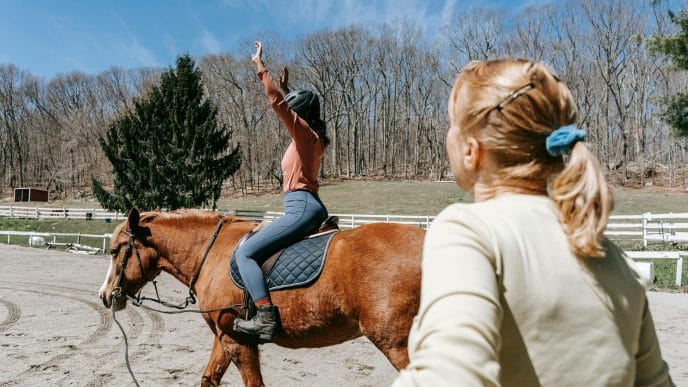
Adaptive riding centers teach riding skills while offering flexibility for different learning styles and comfort levels. Equine-assisted learning programs use interactions with horses — either mounted or unmounted — to support communication, teamwork, or personal development. Some programs center on barn skills, grooming, and horse care rather than riding.
If you’re simply exploring what feels right, thinking about what you enjoy most can help you decide. Do you prefer learning in the saddle, spending time on the ground with horses, or a combination of both? Do you like a structured lesson format, or do you enjoy activities that shift from day to day? Understanding your preferences will guide you toward a program that suits your personality and goals.
Considering Comfort and Practical Fit
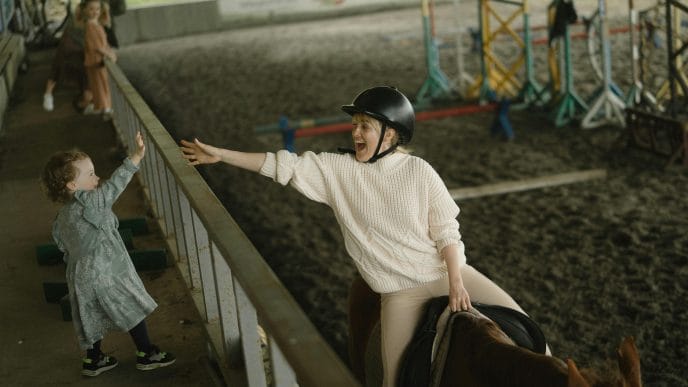
Equine-assisted activities take place in a barn environment, which can be lively, rustic, and full of sensory details. Horses move, breathe, and communicate in ways that may be new at first. The environment may be dusty, muddy, or active depending on the season. Some people love this atmosphere immediately, while others need time to adjust.
It can help to ask yourself how comfortable you feel around large animals. If you are new to horses, many centers will offer introductory sessions to help you ease in. Thinking ahead about transportation, scheduling, and attire also makes the experience smoother. Most programs encourage wearing closed-toe shoes, long pants, and a helmet, and many provide helmets for beginners.
If the practical details feel manageable, you may be well positioned to enjoy the experience.
Looking for a Supportive and Well-Run Program
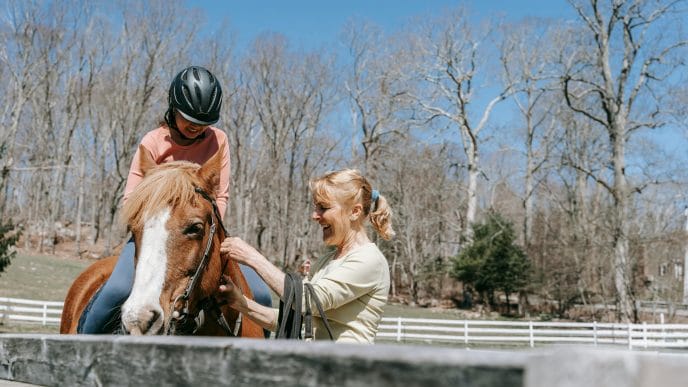
A positive experience depends greatly on the environment of the riding center. Well-run centers place care, safety, and communication at the heart of their programs. This usually includes trained instructors, attentive volunteers, gentle horses, and clear routines for lessons and barn visits.
When you visit a center — even just for a tour — notice how the staff interact with the horses and with visitors. A welcoming atmosphere, clean spaces, calm horses, and a helpful team are strong indicators of a thoughtful program. Many centers hold certifications or follow industry standards, which can offer an additional layer of confidence, but the overall tone and professionalism of the center often speak volumes.
Your comfort level matters just as much as the credentials. When you feel respected, informed, and welcomed, it becomes easier to settle into the experience.
Trying a Session to Get a Feel for It
Many people learn the most simply by trying it. Some centers offer introductory lessons, short-term sessions, or opportunities to observe a class before joining. These trial experiences give you a clear understanding of how lessons unfold — from greeting the horse to grooming, mounting, and riding in the arena.
You may find it helpful to reflect on each visit. What parts did you enjoy? Did you feel comfortable with the horse? Did the pace and structure feel right for you? Journaling or talking with a friend or family member can help you notice small moments of connection or progress.
Often, the question of fit becomes clearer through direct experience. Horses have a way of showing us what feels natural, what feels exciting, and what feels worth exploring further.
Questions to Ask When Choosing a Program
If you’re preparing to join a center, a few thoughtful questions can help you understand what to expect. You might ask how horses are matched with riders, what the typical session includes, or how instructors tailor lessons to different comfort levels. Asking about volunteer support, equipment, communication, and scheduling can give you a clearer picture of how the center operates.
Some centers offer scholarships or sliding-scale options, so it may be helpful to ask about financial details as well. Open conversations help build trust and ensure you feel confident in your decision.
Taking Your Next Step
Equine-assisted activities are not the right match for every person, but many people enjoy the sense of connection, accomplishment, and calm that grows from spending time with horses. If you’re curious, visiting a center, observing a class, or trying a short introductory session can offer valuable insight into whether the experience speaks to you.
Beginning with simple goals, asking thoughtful questions, and choosing a program that feels welcoming will help you find a path that fits your interests. Horses have a way of meeting people where they are — with patience, honesty, and a steady presence that makes exploration feel worthwhile.