SUMMARY
A horse’s three-dimensional walk provides steady, rhythmic motion that can help riders organize posture, balance, breath, and attention. This gentle, patterned movement offers clear sensory input and a reliable rhythm that instructors and clinicians use to support learning, participation, and functional skills across equine-assisted programs.
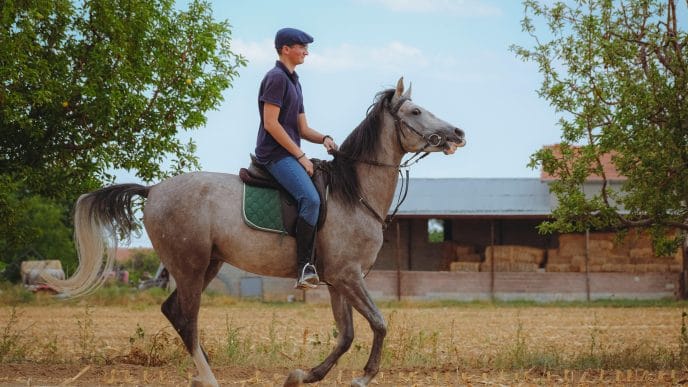
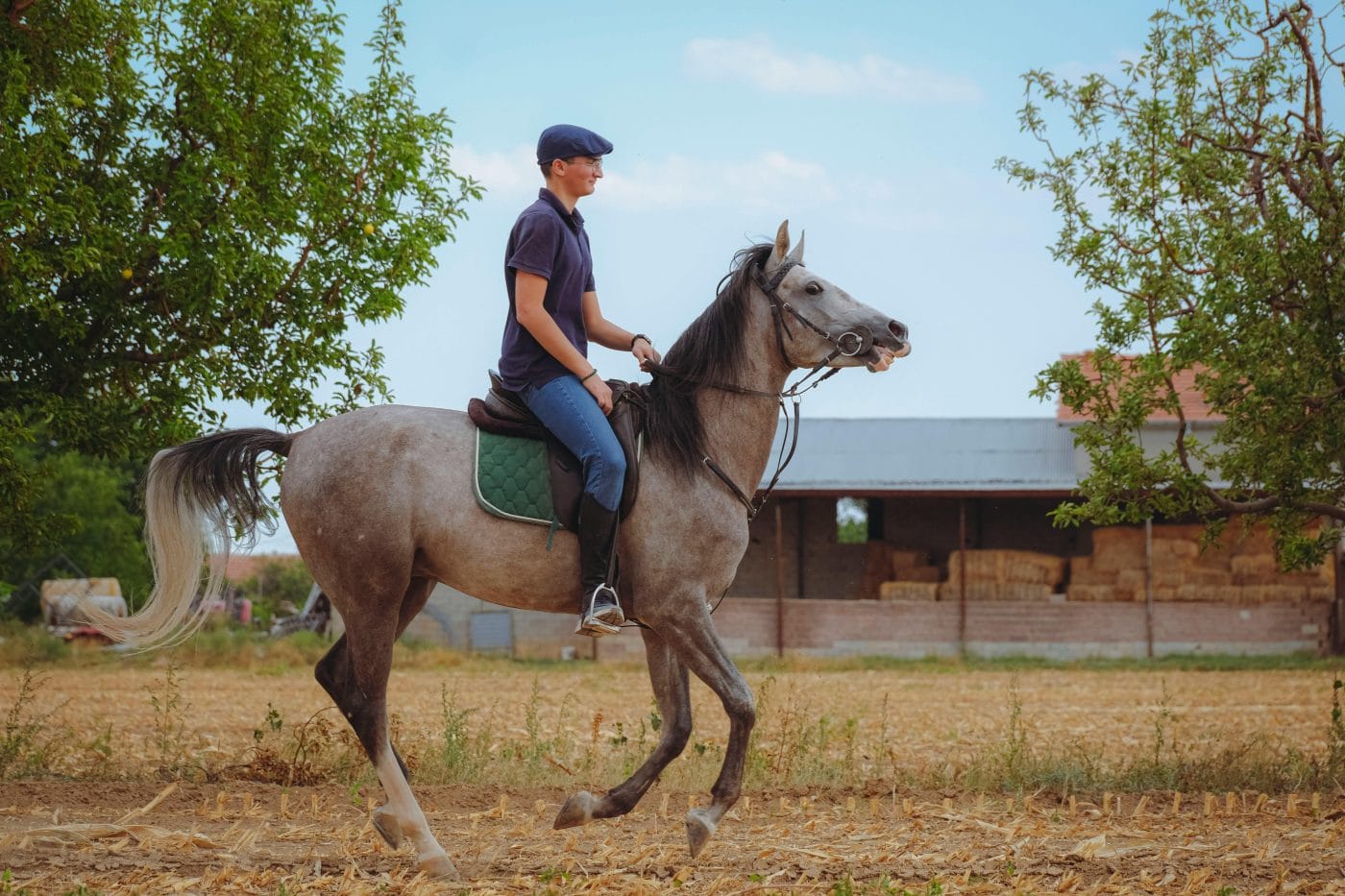
Equine-assisted work begins with something simple: how a horse moves. At a calm walk, the horse creates a smooth, repeating pattern that moves forward and back, side to side, and with a small rotational glide. When someone sits astride, the pelvis naturally follows that motion. Rather than forcing posture or balance, the body responds step by step, adjusting, centering, and discovering a rhythm that often becomes easier to carry into daily life.
Borrowed Movement: The Core Idea
A walking horse creates motion that feels surprisingly similar to human gait. The pelvis rocks gently, shifts slightly left and right, and rotates in time with the stride. Over dozens of steps, these small corrections invite steadier trunk control, smoother breathing, and easier alignment. Instead of drilling exercises, the rider rehearses coordinated movement through experience.
What “Three-Dimensional” Really Means
Imagine holding a bowl of water steady. Each step of the horse nudges the bowl in several directions at once. You respond without thinking—adjusting muscles in your trunk, hips, and shoulders to keep everything level. This repetition gives the nervous system many chances to fine-tune balance and posture in a way that feels natural, not forced.
How the Body Uses the Input
As the horse walks, your sensory systems work together:
- The inner ear senses gentle motion.
- Muscles and joints signal shifting pressure.
- Vision adjusts as you move through space.
- Breath often settles into the horse’s rhythm.
Because the input is organized and predictable, many riders notice improved focus or steadier breathing within just a few minutes.
Rhythm and Variation
The walk provides a dependable beat that helps many people regulate attention and breath. Small changes—turning a corner, slowing for a moment, lengthening a stride—ask the body to adapt. Instructors and clinicians introduce these variations gradually, choosing just enough challenge to support learning without overwhelming the rider or the horse.
When Used Clinically
In hippotherapy, licensed therapists use this movement as part of clinical care. They may shift the rider’s position, adjust tempo, or introduce simple tasks such as reaching, tracking a visual target, or timing a short phrase with breath. The goal is not riding skill, but functional improvement, supported by documentation and individualized planning.
Beyond Clinical Work
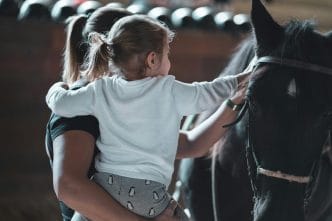
Adaptive riding, recreational riding, equine-assisted learning, and equine-facilitated psychotherapy all benefit from the horse’s natural rhythm—even when sessions are mostly on the ground. Riding lessons often build balance and confidence, while ground-based programs use the horse’s presence and pacing to support attention, calm body language, and clearer communication.
Everyday Changes That People Notice
Progress often begins quietly: sitting a bit taller, turning the head without wobbling, matching breath to movement, or starting a task with fewer prompts. These small shifts usually show up in the arena first, then in home, school, or work routines. Consistent sessions tend to create the strongest carryover.
Comfort, Safety, and Horse Welfare
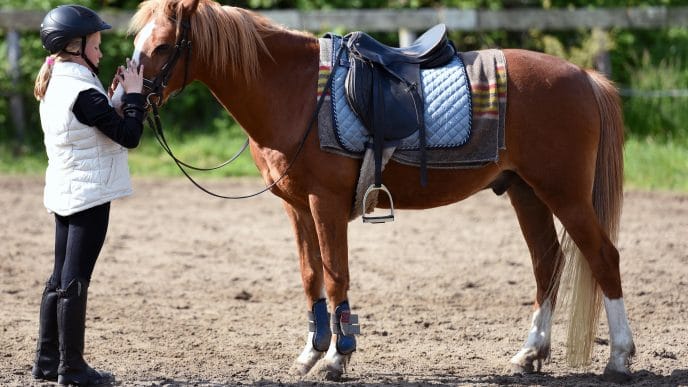
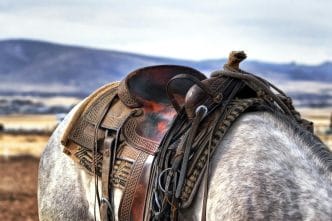
Clear, comfortable movement only happens when both horse and rider feel safe. Programs check helmets and tack, use ramps or blocks for mounting, and watch the horse for signs of tension or fatigue. Horses are rotated, rested, and cared for with a welfare-first mindset so their movement stays smooth, willing, and responsive.
What a Session Feels Like
A typical session starts quietly. Once mounted, the rider and horse settle into a steady walk. Simple figures or brief pauses may be added to support alignment, breathing, or attention. The ride usually ends with slower steps, a calm dismount, and a short summary linking what went well to a practical cue for everyday life.
Is This Approach a Good Fit?
If your goals include steadier balance, smoother posture, more consistent breath, or better attention during movement, the horse’s three-dimensional gait may be helpful.
If your primary goals are emotional or psychological, ground-based work with a trained mental health professional is often the better match.
As always, people with medical concerns such as seizures, recent surgery, unstable spine or hips, or heart or breathing conditions should consult a clinician first to plan safely.